
A greener home search in Dallas starts with the places you travel to and the home you live in. Some neighborhoods put rail, restaurants and everyday stops closer together. Others offer established houses, mature landscaping and access to outdoor recreation. Those are different advantages, and neither makes every property an energy-efficient home.
The most useful approach is to compare neighborhoods for the daily life they support, then evaluate the efficiency of the individual house or building. Here are five Dallas areas worth considering for different reasons.
Uptown: a more connected central-city routine
Uptown offers several versions of urban living, from the residential streets of State Thomas to condominium buildings and the mixed-use blocks around West Village. Its appeal is the ability to combine a home with nearby dining, shopping and central Dallas destinations, rather than treating every outing as a separate drive.
The M-Line follows a route through Uptown and toward the Arts District, with connections to DART at Cityplace/Uptown and St. Paul. That gives some residents an alternative for trips along the corridor. The usefulness of those connections depends on where the home and destination sit; a trolley stop near a favorite restaurant does not necessarily solve the work commute. See the M-Line’s route and connection guide.
Condominiums and townhomes are important parts of an Uptown purchase search. A smaller private outdoor area can suit someone who prefers an urban setting, but building services, shared spaces and association responsibilities differ. Explore Uptown’s homes and residential settings.
Victory Park: rail access beside downtown
Victory Park has a different feel from Uptown’s mix of residential pockets. The arena, high-rise residences and downtown edge shape its streets and activity. For a buyer interested in condominium living, the district offers a concentrated setting where the building and its immediate surroundings matter as much as the wider neighborhood name.
Victory Station is served by DART’s Green and Orange lines and the Trinity Railway Express. That makes the district worth considering when an actual work or leisure destination fits those routes. It is also an event district, so the atmosphere on a game or concert night can be part of the experience. Check Victory Station connections against the trips you would make.
Rail access is the concrete reason for including Victory Park here. A tower’s height, age or luxury amenities do not establish its energy performance. Compare Victory Park residences.
Bishop Arts: a compact destination within North Oak Cliff
Bishop Arts centers on a small commercial district, with residential streets and a changing mix of nearby housing around it. It can appeal to someone who wants neighborhood outings to revolve around local shops and restaurants rather than a large shopping center.
The Dallas Streetcar connects the Bishop Arts area with EBJ Union Station. That provides a specific downtown connection, rather than a promise of rail service to every Dallas employment district. A home near the shops and a home elsewhere in North Oak Cliff can have quite different walking routes and access to the streetcar. The official Dallas Streetcar route is a useful starting point.
The housing search extends beyond the storefront blocks, so distinguish the commercial destination from the neighborhood surrounding a particular property. Explore the Bishop Arts area and the wider North Oak Cliff directory.
Little Forest Hills: established houses near White Rock Lake
Little Forest Hills offers a more individual mix of cottages, expanded older houses and later construction southeast of White Rock Lake. The contrast between those properties is part of its identity: a modest original house and a substantially larger newer home can occupy the same broader neighborhood.
This is an option to consider when an established residential setting and outdoor recreation matter more than living beside a rail station. White Rock Lake offers trails, natural areas and other public recreation, but access should be considered from the particular street and park entrance. Garland Road and other crossings affect the route. Use the city’s White Rock Lake map and facility information to plan a visit.
An older cottage can offer a different scale of home from new construction, but age alone says little about insulation, air leakage or heating and cooling performance. Compare those features separately from the appeal of the neighborhood. See Little Forest Hills homes and neighborhood context.
Lochwood: trees, changing terrain and a neighborhood park
Lochwood’s rolling terrain, creeks, greenbelts and mature trees give it a different setting from the central-city districts in this guide. Lochwood Park is a neighborhood focal point, and the surrounding housing includes established detached homes across Lochwood, Lochwood Meadows and Lochwood Estates.
The Lochwood Neighborhood Association describes the area’s natural features and its park and beautification efforts. Those are specific reasons to explore Lochwood if you want an established residential landscape. They should not be confused with a certification that its houses use less energy.
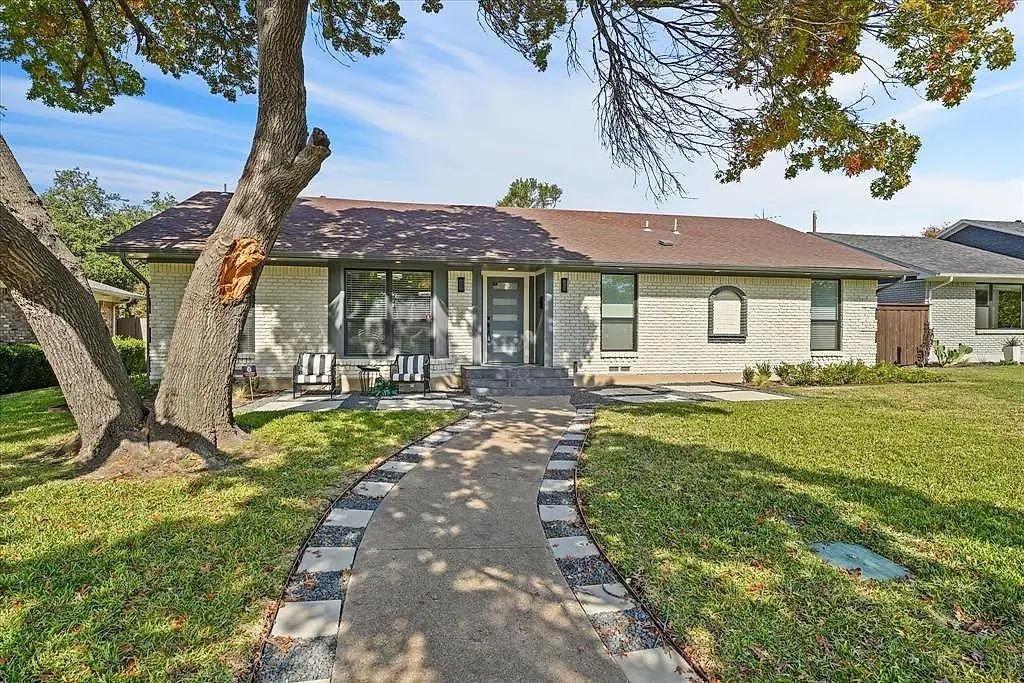
A Lochwood search is about the relationship between the house, its lot and the surrounding neighborhood. Tree cover and park access may be high on your list, while a transit-focused buyer may prefer one of the central districts above. Explore Lochwood’s homes and neighborhood guide.
What makes the home itself more efficient?
Once you have a preferred setting, look for evidence at the property level: documented insulation and air-sealing work, heating and cooling equipment, windows, water use and the scope of any efficiency upgrades. A renovation described as “green” should come with an explanation of what was actually done.
A professional energy assessment can identify how a home performs and where improvements may help. The U.S. Department of Energy’s assessment guide explains the distinction between a basic walkthrough and a more detailed equipment-based evaluation. For an attached residence, establish which systems and upgrades are controlled by the owner and which involve the association.
The neighborhood decision and the building decision work together. Choose the surroundings that support your routine, then compare the home’s documented performance rather than relying on a neighborhood-wide environmental label.
Find the Dallas setting that fits your priorities
Tell me whether you want a stronger transit connection, a smaller home, an established neighborhood near outdoor recreation or documented efficiency features. I can help you compare the neighborhoods and homes that fit those priorities. Plan your Dallas home search with Dustin Pitts.