
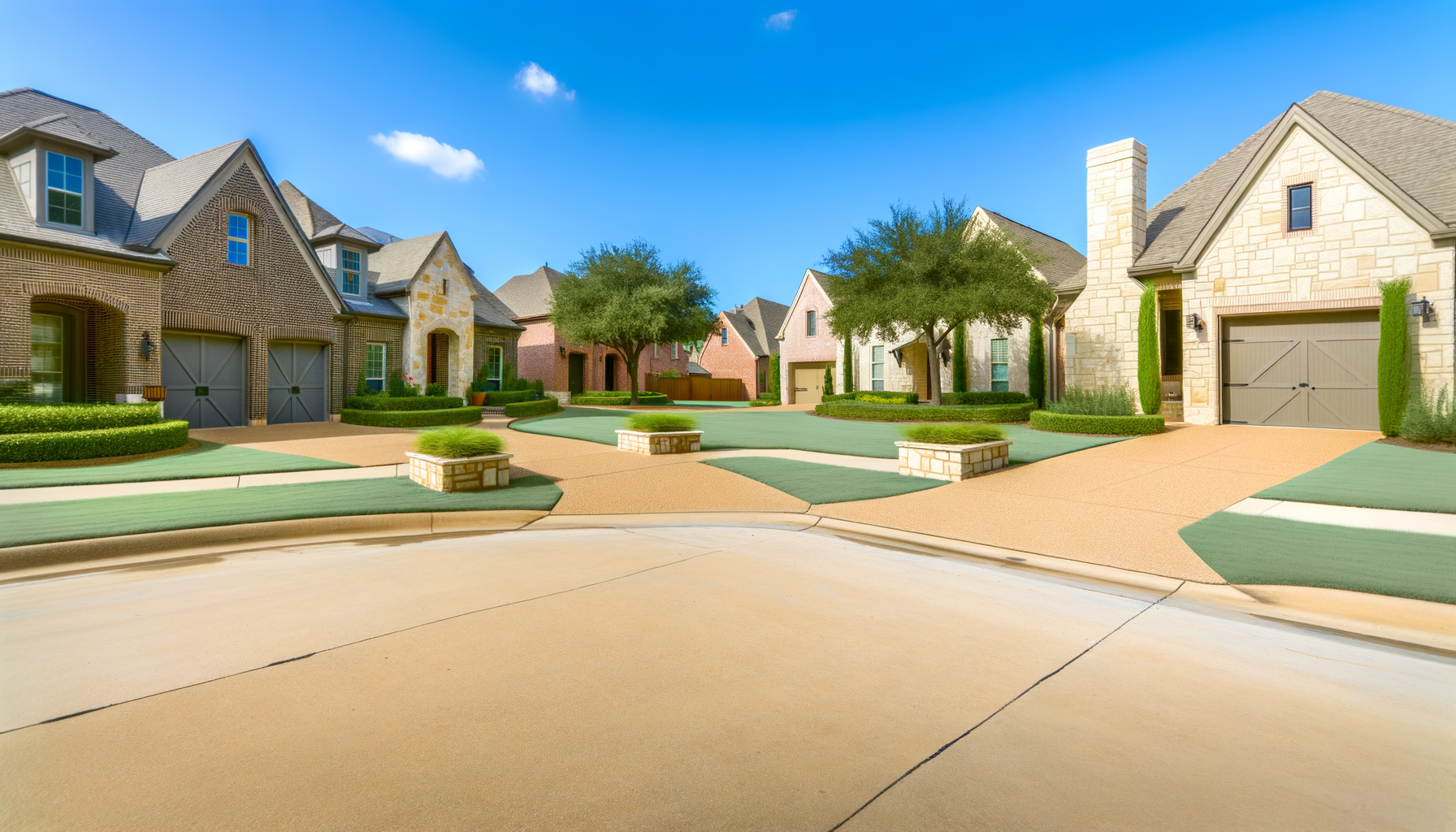
Thinking about moving to Plano, Texas? This guide walks you through what life is like in this well-established northern suburb of Dallas — from the layout of the city to commute patterns, housing styles, and neighborhood distinctions. Whether you’re relocating from another part of DFW or coming in from out of state, understanding how Plano is structured can help you make a confident decision before buying or renting here.

Plano has grown from a quiet suburb into a major employment hub with corporate campuses, mature neighborhoods, and an urban core near Legacy West. People often choose Plano for its balance — access to city conveniences without being right in the middle of downtown Dallas. But knowing which area of Plano fits your lifestyle best is key, as the city spans distinct zones with different housing patterns and commute experiences.
This relocation guide breaks down Plano’s location, day-to-day setting, and housing choices — along with what you need to know before committing to a move.
Where Is Plano and What Should You Know First?
Plano sits roughly 20 miles north of downtown Dallas, bordered by Frisco and Allen to the north, Carrollton to the west, and Richardson to the south. It’s positioned along US-75 (Central Expressway) and the Dallas North Tollway, which makes it a convenient midpoint for commuters who split time between northern and southern parts of the metroplex. The east side of Plano aligns more with the traditional suburban grid, while the west side developed later around master-planned communities.
Location matters in Plano because daily life often revolves around major corridors. Living closer to the Tollway or Legacy area typically benefits professionals with jobs in West Plano, Frisco, or northern employment centers. Conversely, the east side, near US-75, tends to work best for those commuting toward Richardson or downtown Dallas. When you’re assessing neighborhoods, think less about just the map placement and more about where your daily routes will take you.
Plano’s boundaries also cross several retail and dining zones, from older shopping centers in central areas to newer developments around Legacy and Preston Road. That variety reflects the city’s layers of growth over several decades.
What It’s Like Living in Plano
Plano blends established neighborhoods, modern mixed-use districts, and strong corporate presence. West Plano carries newer developments, while East Plano has mature tree-lined streets and older construction. You won’t find a uniform look across the city — that’s part of its character. Each area reflects the era when it was built and the preferences of buyers at the time.
Daily life in Plano tends to be structured but convenient. Grocery, dining, and service options are rarely more than a short drive away, and the city’s extensive park and trail system offers plenty of outdoor recreation. Residents appreciate that Plano functions almost like a self-contained city: you can work, shop, and relax all within its boundaries.
One consideration is that Plano has become densely developed on its western side, so buyers prioritizing newer construction often look to Frisco or Prosper. However, those wanting mature landscaping, established trees, and proximity to major roads often find Plano more fitting.
Neighborhoods and Areas to Consider in Plano
Plano’s neighborhoods vary noticeably from west to east. In West Plano, developments such as Willow Bend West feature custom homes on larger lots, often with easy access to the Dallas North Tollway. Many of these communities were built during Plano’s major growth period and show a high level of architectural variety and established landscaping. Buyers looking for space and a more private suburban layout often focus here.
Near the center of Plano, Deerfield stands out for its traditional design and sense of continuity. Streets feature mature trees, and while the homes are well-kept, the focus tends to be more on livability than newness. The neighborhood’s proximity to Coit and Legacy makes it convenient for commuters headed in multiple directions across North Dallas.
On the southern side, Chase Oaks provides a more compact setting near the golf course and the US-75 corridor. Buyers choosing this area often balance accessibility with a classic Plano neighborhood feel. While lot sizes are smaller than in west-side developments, the convenience to major roads and nearby retail is a strong tradeoff.
In general, west-side neighborhoods attract buyers looking for space and newer construction periods, while the central and eastern parts of Plano appeal to those more focused on established settings, mature trees, and better access to the highway system.
Commute, Accessibility, and Daily Convenience
Traffic in Plano centers around the major arteries: the Dallas North Tollway, US-75, and Highway 121. The key factor isn’t just distance — it’s direction. Traveling north toward Frisco or south toward Dallas can differ substantially in time depending on the hour. Many residents structure their daily routines around avoiding rush periods or using alternative routes such as Preston Road or Coit Road.
Public transit coverage in Plano is limited compared to Dallas, though DART’s light rail line extends into the southern edge of the city. For most residents, day-to-day travel depends on personal vehicles. The tradeoff is that Plano’s expansive grid and connector roads make navigating internally much easier than in denser suburban cores.
Access to dining, shopping, and services is straightforward — Legacy West and Preston Road corridors feature a concentration of amenities, while east Plano carries more traditional retail centers. As the city filled out, developers ensured commercial options were integrated across both older and newer areas.
Housing Options in Plano
One of Plano’s defining traits is its balance of housing ages. East and central areas typically showcase construction from the 1970s through the 1990s, with brick façades, larger shade trees, and mature landscaping. West Plano, developed primarily from the 1990s onward, includes both custom estates and newer production homes with modern layouts.
Condominiums and townhomes cluster around Legacy and Spring Creek Parkway, appealing to buyers who prefer low-maintenance living or shorter commutes. Single-family homes dominate elsewhere, often organized into established subdivisions with consistent design standards and active community associations.
Buyers moving from other regions of the country often note Plano’s lot sizes and variety of architecture compared with newer northern suburbs, where homes can be closer together. The tradeoff for more space is typically an older structure requiring some updating.
What to Know Before Moving to Plano
Plano is largely built out, which means new home construction tends to be infill rather than large new developments. Buyers seeking brand-new homes often look north, while those prioritizing location and established infrastructure focus within Plano itself. Because inventory moves quickly, preapproval and decisive action are important here.
Property taxes and HOA dues vary significantly by neighborhood, especially among the west-side master-planned areas. Older neighborhoods typically carry lower fees but may have higher ongoing maintenance needs. Reviewing both factors early helps set realistic expectations.
Plano’s strong employment base keeps demand stable, but competition can rise during spring and early summer. Working with an agent who knows how to track listings before they hit the market can make a difference if you’re targeting a specific area.
Who Plano Is Best For
Plano tends to suit buyers who want suburban stability without feeling disconnected from major employers and retail. It’s especially attractive for professionals whose offices sit along the Tollway or at Legacy West, or for those wanting easy access to both Dallas and northern job centers. Residents often prioritize predictable neighborhoods, mature landscaping, and manageable commutes.
Those preferring new-construction communities, larger master-planned developments, or more modern architecture may lean toward surrounding cities like Frisco or Allen. But if proximity, convenience, and an established community layout rank higher on your list, Plano offers a consistent living environment.
Ultimately, Plano works best for households balancing work access, established amenities, and the long-term stability of mature neighborhoods. The city’s range of existing housing gives buyers flexibility without moving far from the heart of North Dallas.
About Dustin Pitts | Plano Real Estate Agent
As a local Realtor, Dustin Pitts provides hands-on guidance for buyers and sellers navigating the Plano market. If you’re planning to relocate or sell a property here, Dustin’s experience in pricing, negotiation, and neighborhood insight can make the process smoother. Learn more about how he can assist with buying or selling in Plano and get professional advice before making your next move.
Dustin has worked extensively across Plano’s east and west sides, helping clients evaluate tradeoffs between new developments and established areas. His market experience helps buyers focus on what’s worth paying for and avoid costly missteps when comparing neighborhoods.
Ready to make your move to Plano? Start a conversation with Dustin today and get customized guidance. Schedule your consultation for real estate help in Plano and move forward with confidence on your next home purchase or sale.


