
Dallas mid-century modern homes appeal for more than their age. A distinctive roofline, carefully placed windows, warm materials and a strong connection to the yard can give an individual house a character that is hard to reproduce. The neighborhood helps focus the search; the architecture of the actual home makes the difference.
Disney Streets, Lake Park Estates, Eastwood, Lochwood and Midway Hollow offer different places to begin. Some contain documented modernist houses, while others provide a broader mix of postwar ranches, expanded homes and newer construction. These are search starting points, not a ranking or a claim that every house in them is mid-century modern.
Disney Streets: a focused Northwest Dallas starting point
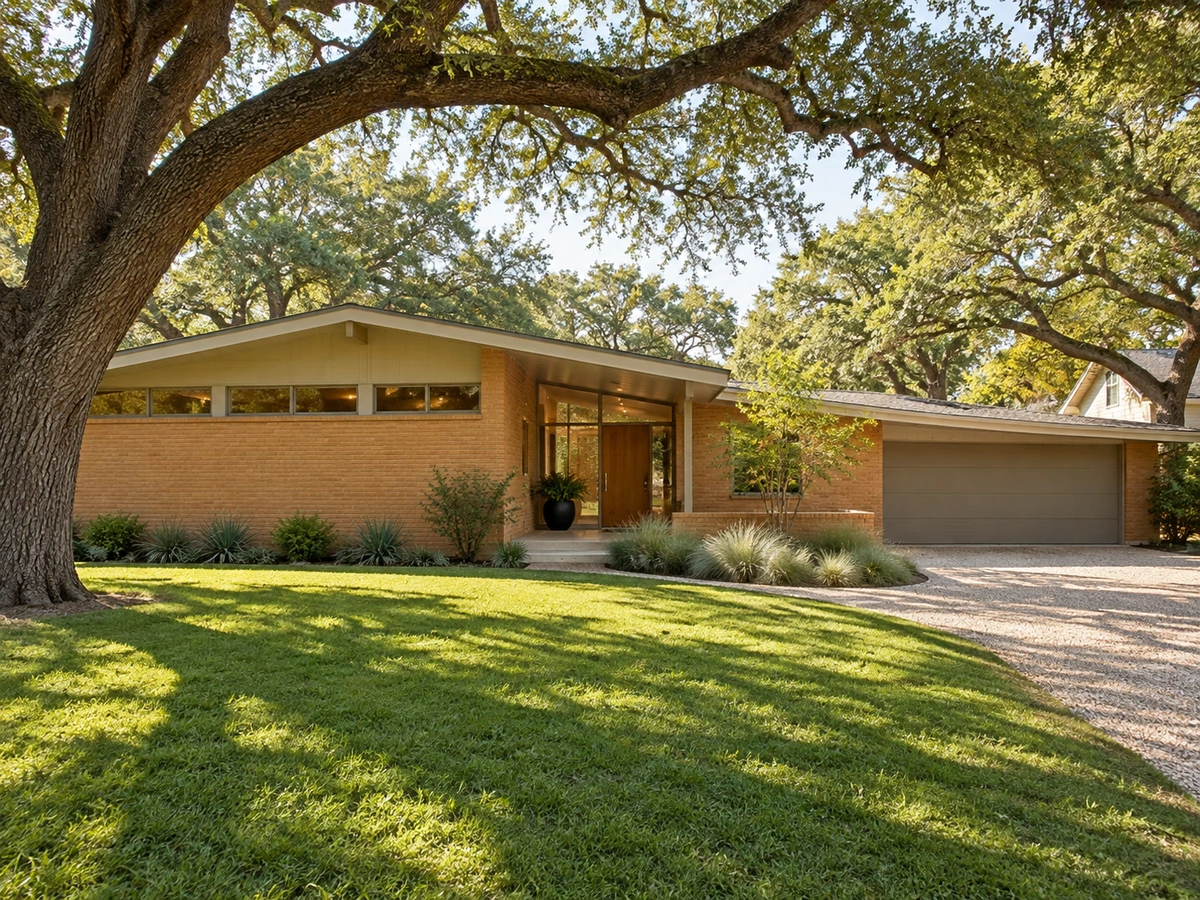
Disney Streets is the familiar name for part of Midway Hills in Northwest Dallas, where Cinderella Lane, Pinocchio Drive and Wonderland Trail make the street map distinctive. The addition developed in the mid-1950s, with both traditional ranches and contemporary designs. Its connection to Dallas’ early Parade of Homes history gives it a particular place in the city’s postwar housing story.
The draw is the opportunity to find original postwar proportions and architectural detail within an established residential setting. Lower rooflines, broad windows and the relationship between the house and yard help distinguish a modernist property from a more traditional ranch. Expanded houses and later construction add variety to the streetscape.
Explore Disney Streets homes and the neighborhood guide
Read the Disney Streets history — Preservation Dallas
Lake Park Estates: east Dallas homes near the Casa Linda area
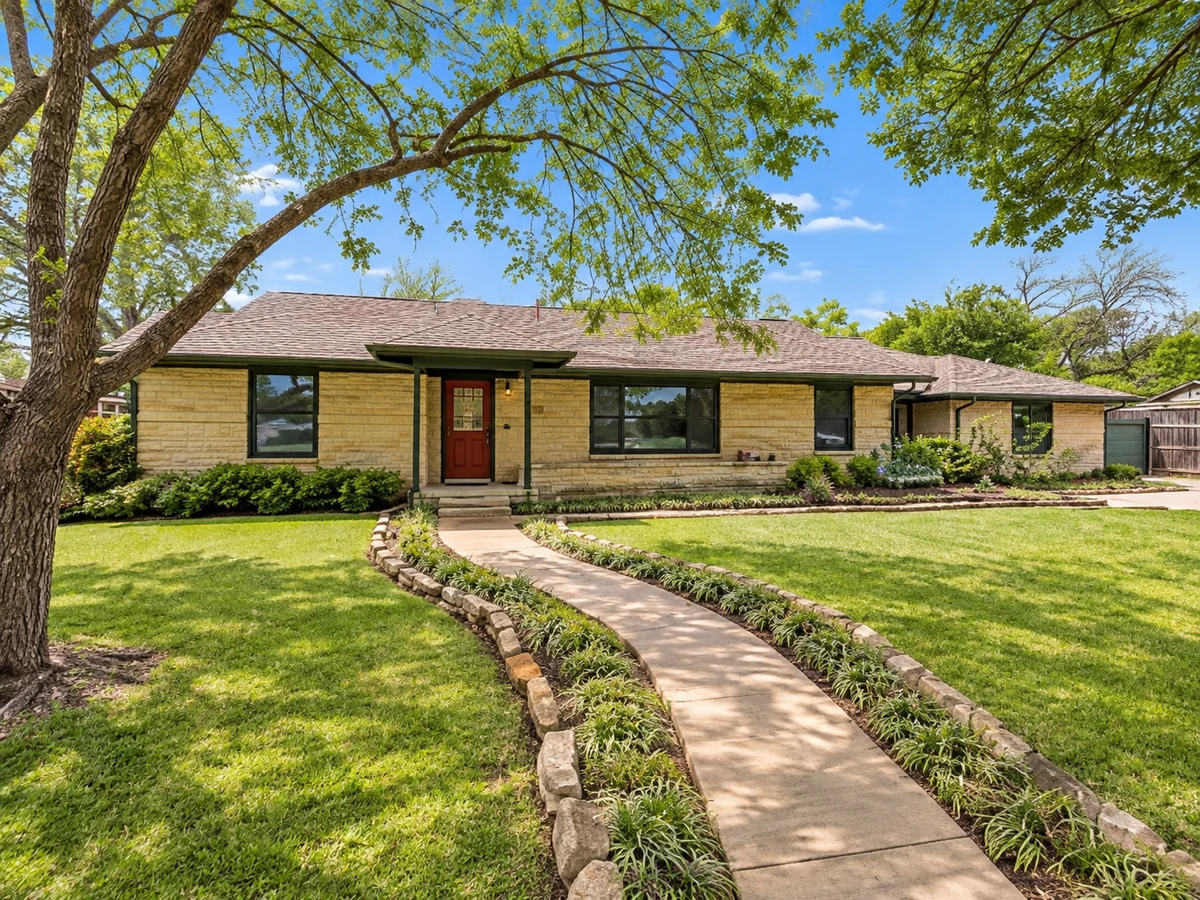
Lake Park Estates provides an East Dallas setting near Buckner Boulevard and the Casa Linda shopping area, east of White Rock Lake. Older detached houses and established homesites give it a different character from a newer contemporary-home development. Documented Ju-Nel houses are among the individual modernist designs associated with the neighborhood.
This area belongs on a shortlist that combines architecture with the wider Casa Linda and White Rock Lake location. Traditional ranches share the neighborhood with more expressive houses, so the most interesting finds may be individual properties rather than a uniformly modernist block. Glazing, rooflines and the way living spaces meet the garden are useful points of distinction.
Explore Lake Park Estates homes and the neighborhood guide
Eastwood and Eastwood Estates: a search for distinctive modernist houses
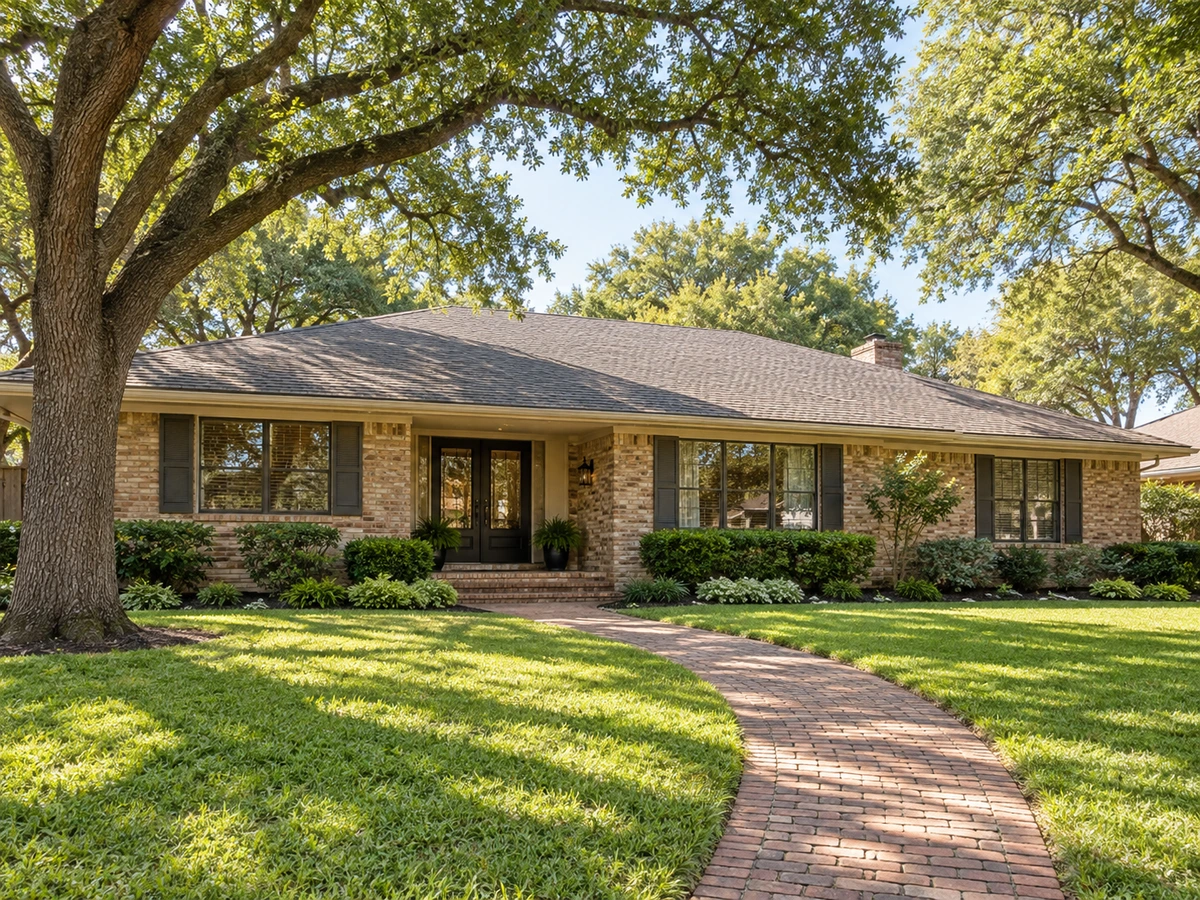
Eastwood and the more focused Eastwood Estates search offer another way to explore East Dallas’ postwar architecture. Documented Ju-Nel examples in Eastwood Estates include strong roof forms and a deliberate relationship between glass, interior space and the site. These houses give the area architectural interest within a broader mix of homes.
Explore the wider Eastwood setting, then use the focused Eastwood Estates guide when a particular design or subdivision is important. The appeal of a distinctive original house may lie in its ceiling form, natural light and carefully arranged outdoor views. Those qualities can be quite different from the experience of a traditional ranch nearby.
Explore Eastwood and Eastwood Estates homes and the neighborhood guide
Explore the focused Eastwood Estates guide
Lochwood: established streets and individual architectural finds
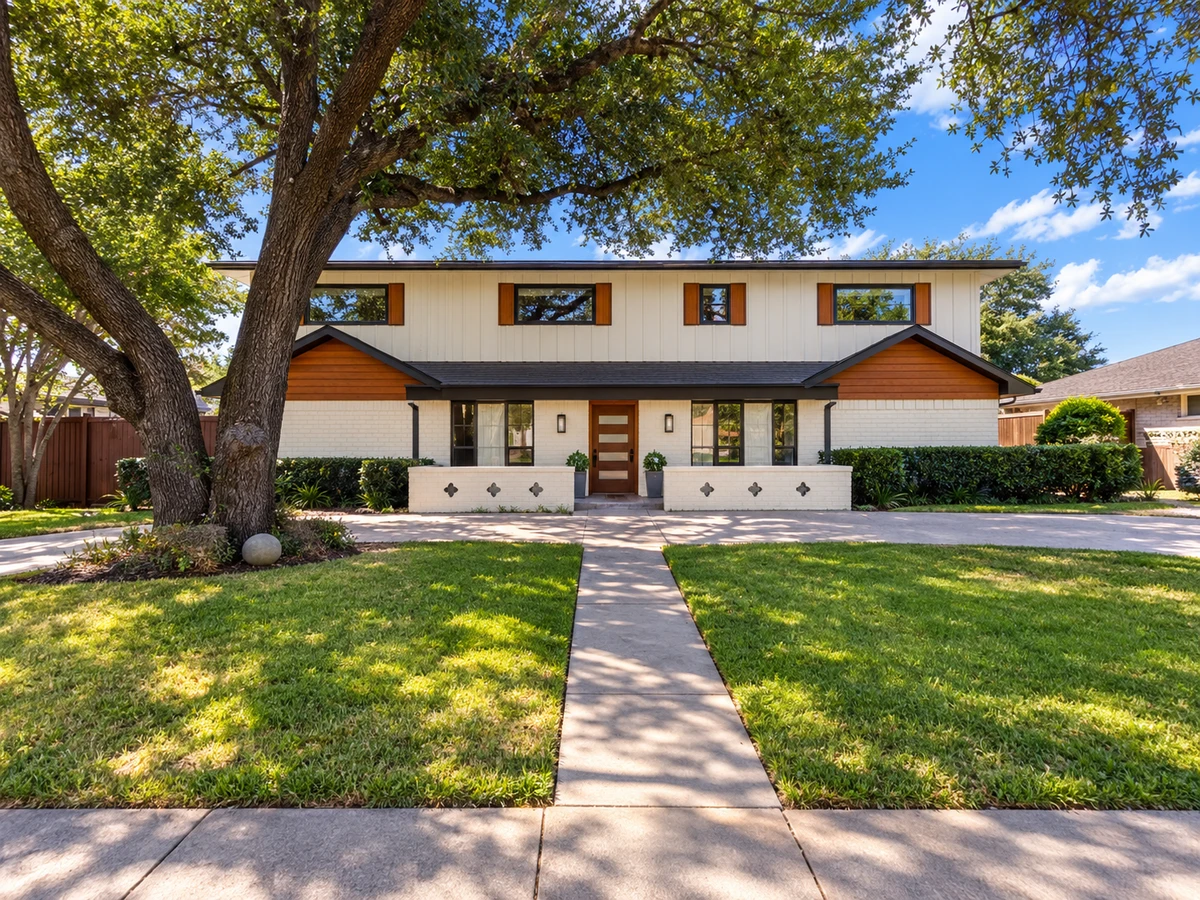
Lochwood’s established trees, variations in grade and relationship to Lochwood Park give the neighborhood a landscape identity as well as a housing history. Its East Dallas location between the Garland Road and Jupiter Road corridors provides another starting point for a postwar-house search. Documented Ju-Nel homes add architectural interest among the older detached houses.
The setting can be as memorable as the house: a wooded site, changing elevation or garden-facing living room can shape the experience of a modernist design. Original Lochwood, Lochwood Meadows and Lochwood Estates are separately named areas worth distinguishing as you explore. The wider neighborhood contains traditional houses as well as individual architectural finds.
Explore Lochwood homes and the neighborhood guide
Midway Hollow: a broader comparison of original homes and later construction
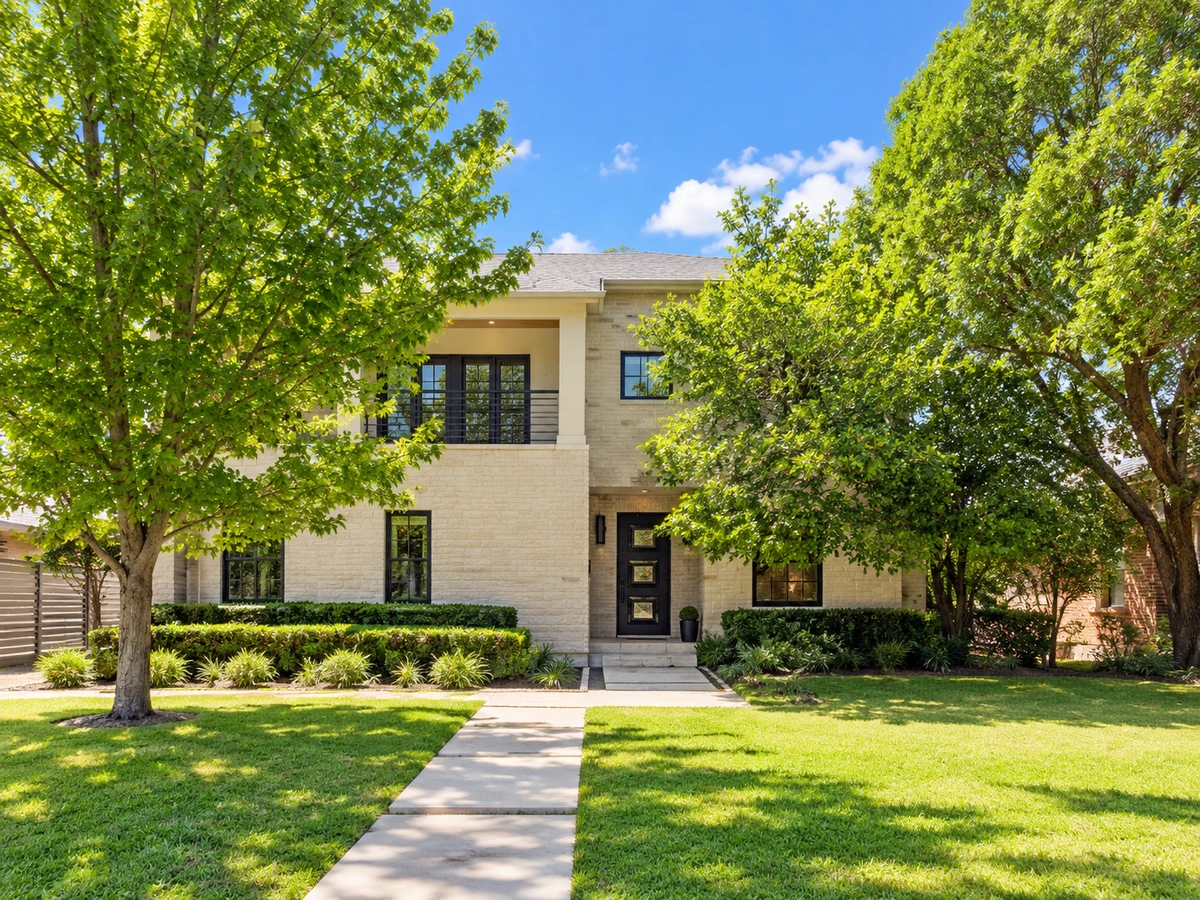
Midway Hollow covers a broader Northwest Dallas housing search between Walnut Hill Lane, Northwest Highway, Midway Road and Marsh Lane. Original ranches, expanded houses and substantial replacement homes create a layered streetscape. It offers a useful contrast between the scale of postwar houses and later interpretations of modern living.
Smaller additions, including Glenridge Estates and the Davilla areas, help make that wider search more focused. An original modernist residence, a traditional ranch and a new contemporary house represent different choices here. Midway Hollow’s value in this guide is its housing variety and location, rather than a claim that it is uniformly mid-century modern.
Explore Midway Hollow homes and the neighborhood guide
What makes a house mid-century modern?
Start with the design, not just the year built. Look at the roof form, overall shape, window placement, materials and room arrangement. Low or expressive rooflines, broad glazing, exposed structural elements and a deliberate connection to a patio or garden can be part of the design. No single feature proves the style or an architect’s involvement.
A traditional ranch from the same period may share a low profile without having the same modernist approach. A new contemporary house can offer open rooms and large windows but has a different construction history. Decide whether you want an original design, a sensitive renovation or a newer home with a similar aesthetic.
Ju-Nel houses: research the individual property
Ju-Nel is an important part of the East Dallas modernist search. The specialist Ju-Nel archive documents identified homes and distinguishes known examples from rediscovered ones. It is a useful research resource when a listing claims that connection, alongside available plans, permits and other property records.
Explore the Ju-Nel house archive
Treat an architect or builder attribution as something to investigate. A familiar roofline, a neighborhood name or a marketing description does not establish authorship. Look at the evidence for the actual address and ask which original elements remain after later work.
Preserve the architectural qualities that drew you to the house
Original cabinetry, masonry, wood finishes and built-ins can be central to a mid-century home’s character. So can less obvious qualities: the sequence of rooms, a sheltered courtyard or a line of windows framing the yard. Identify those elements before deciding how much you want to change.
A sensitive renovation can improve function while retaining the design’s strongest qualities. When comparing homes, distinguish a preserved original from an expanded ranch or a thoroughly redesigned interior. The right choice depends on whether you want to restore, adapt or move into a home whose existing arrangement already works.
Resolve condition and alteration questions once the design fits
Have the structure, roof, windows, drainage and major systems evaluated for the specific house, with attention to unusual roof forms or extensive glazing. Review the proposed work, available records and realistic repair costs alongside the architectural appeal.
Architectural character and legal historic status are separate questions. Confirm any address-specific restrictions and approvals relevant to planned changes, then include those requirements in the renovation budget.
Build a Dallas mid-century home shortlist
Start with the areas that fit your daily routes, then choose the homes whose architecture and layout appeal to you. A smaller preserved house, an expanded ranch and an architect-designed residence may meet different needs even within the same neighborhood. Relevant individual sales are more useful than treating an all-neighborhood price figure as a valuation of a distinctive design.
Share your budget, preferred locations and the architectural details you want to keep with Dustin Pitts. We can narrow the search, compare suitable homes and identify the property-history and renovation questions to resolve before you buy.
