
Dallas’ historic neighborhoods tell different stories through their houses and streets. Swiss Avenue showcases an unusually broad range of early-twentieth-century architecture; Munger Place has a strong Prairie identity; Junius Heights and Winnetka Heights bring front-porch bungalows into the comparison. The appeal starts with the place and its architecture.
These six areas provide distinct starting points for an older-home search. Explore the photographs and linked neighborhood guides, then use the city’s district records for the preservation requirements attached to a specific property.
Swiss Avenue: architectural variety in Old East Dallas
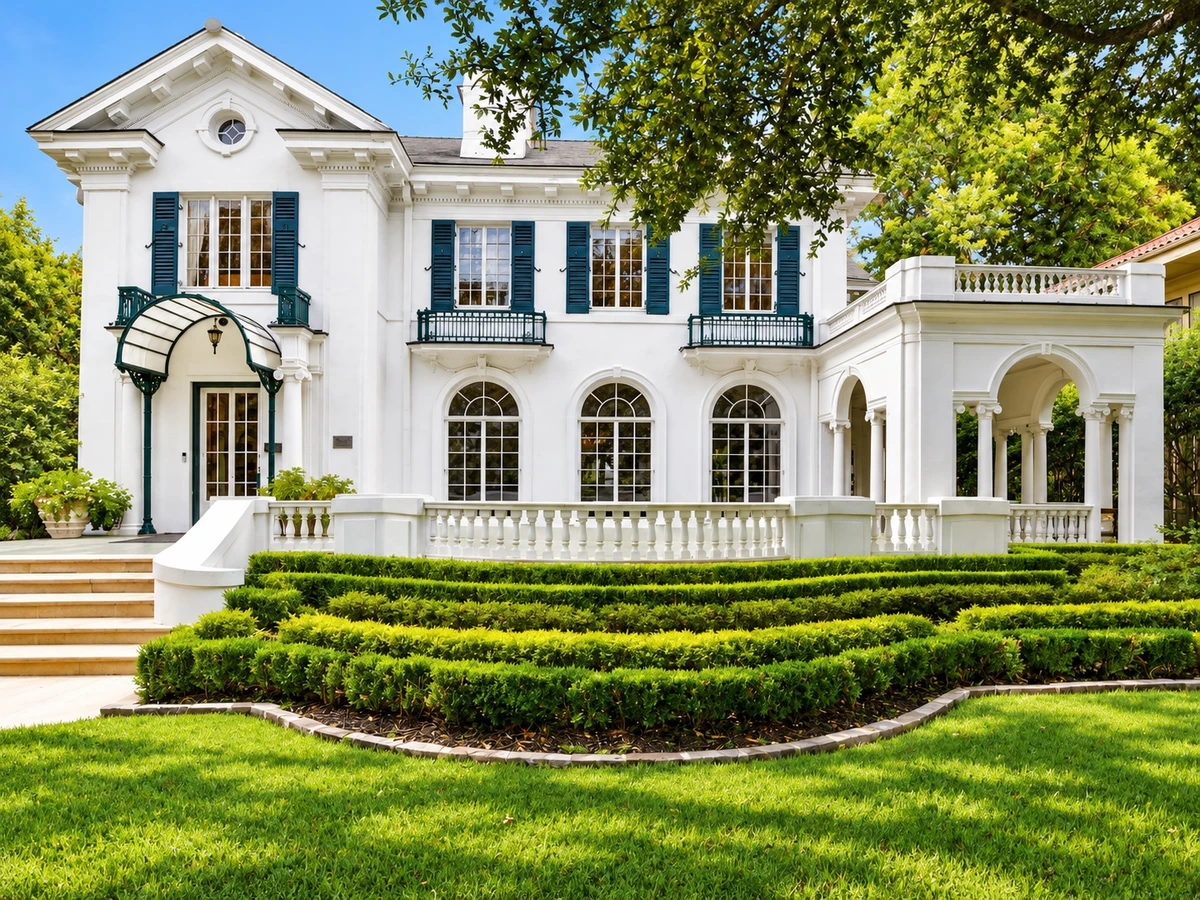
Explore Swiss Avenue homes and neighborhood information
Swiss Avenue is a strong starting point if you enjoy seeing several architectural traditions within one historic district. Prairie, Tudor, Mission and other revival styles create a streetscape with considerable variety. Roof forms, masonry, window groupings and entrance designs give individual houses a presence of their own.
The district association’s architectural directory shows why Swiss Avenue should not be reduced to one house style. A Prairie-influenced residence and a Tudor or Mission-inspired house offer different proportions and detailing, even within the same historic setting. Buyers drawn to expressive period architecture have a particularly rich place to explore here.
Swiss Avenue district association: architectural styles
Munger Place: Prairie-influenced houses and broad porches
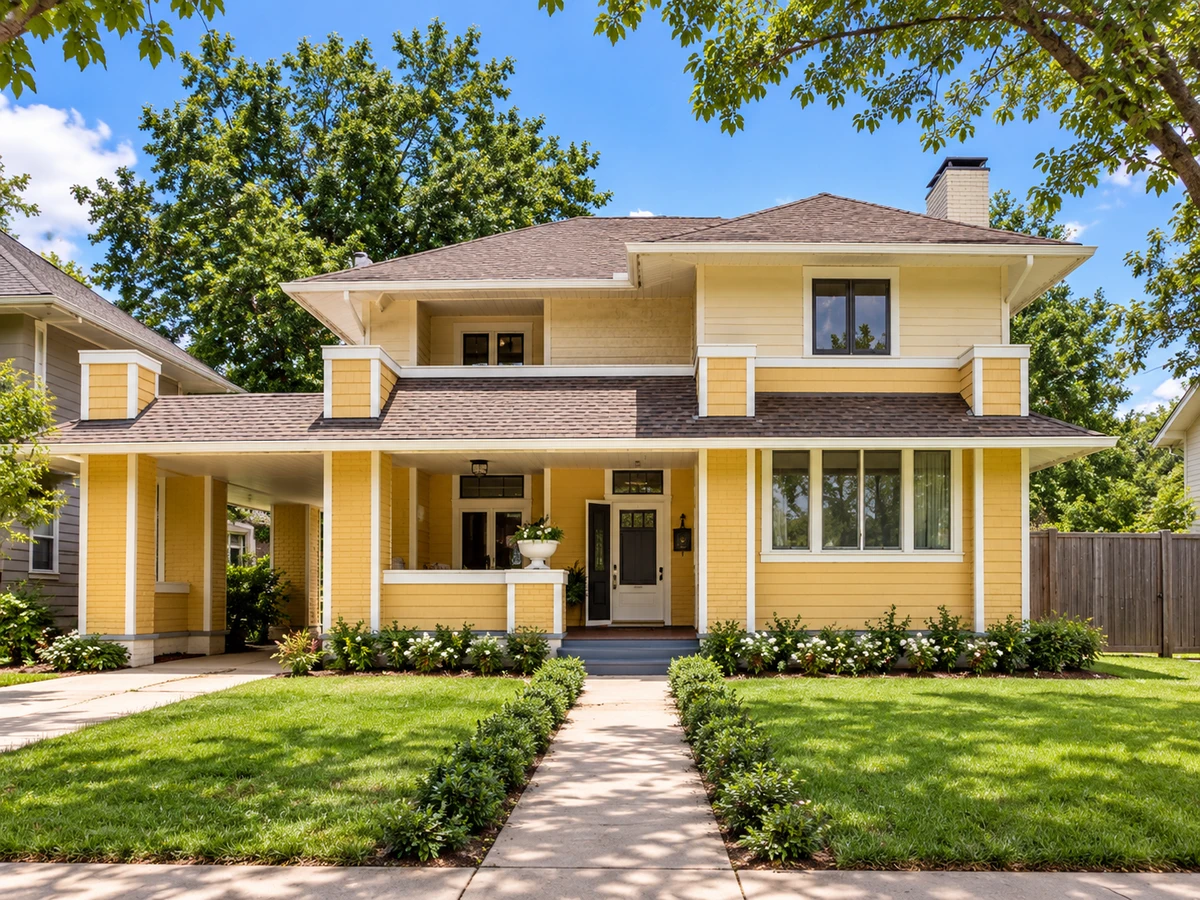
Explore Munger Place homes and neighborhood information
Munger Place has a more consistent Prairie-influenced identity, with symmetrical fronts, broad porches, deep eaves and low hipped roofs. Its early development as a deed-restricted subdivision helped establish a recognizable residential character. Substantial houses relate strongly to their front porches and the surrounding streets.
The visual emphasis is horizontal and composed, offering a different experience from the steeper rooflines of a Tudor-focused neighborhood. Buyers interested in older houses with generous porches and a cohesive architectural setting often find Munger Place especially rewarding to explore.
City of Dallas: Munger Place district and ordinance
Junius Heights: Craftsman bungalows and other period homes
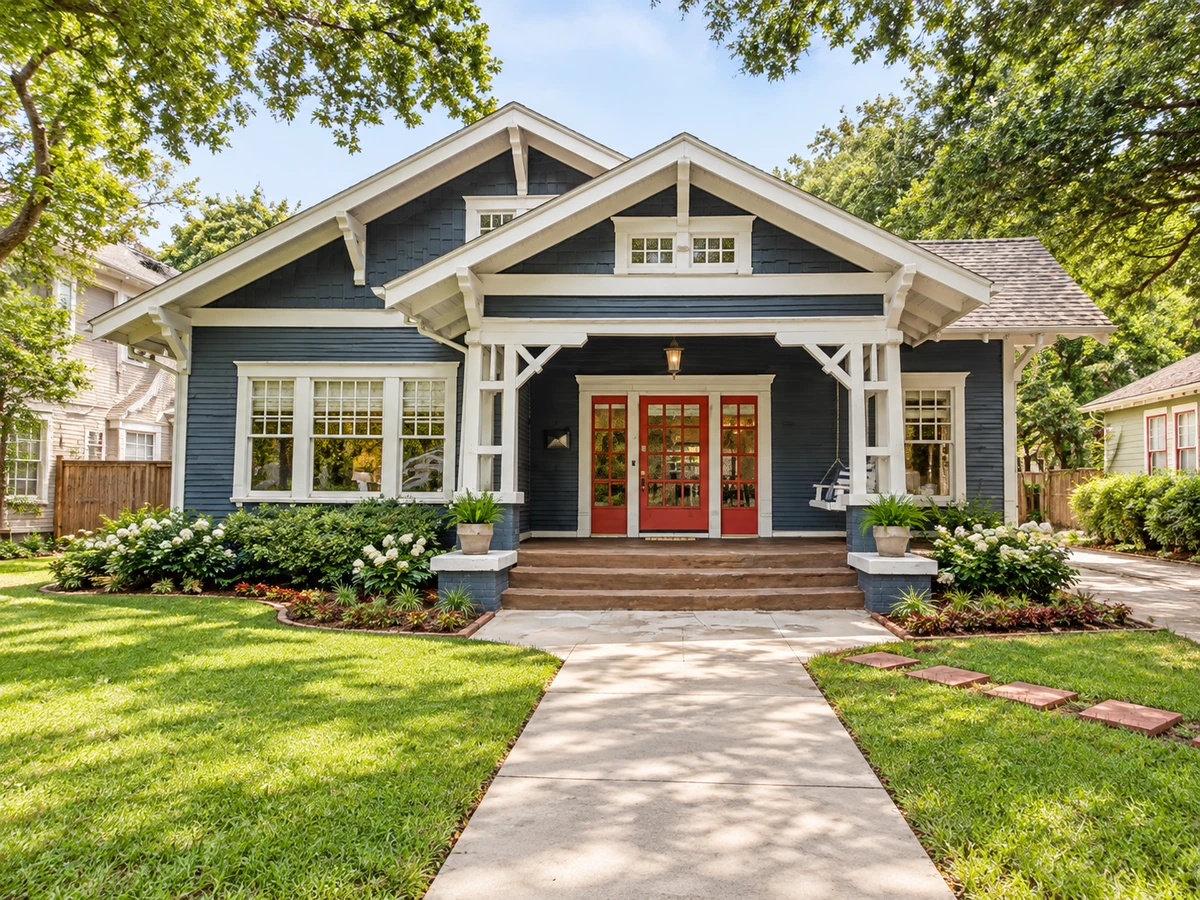
Explore Junius Heights homes and neighborhood information
Junius Heights developed during Dallas’ early streetcar expansion and contains a varied collection of period houses. Craftsman bungalows are a defining presence, alongside Prairie, Tudor and other older styles. Low gabled roofs, broad eaves and exposed rafters give many bungalow streets their recognizable scale.
The neighborhood offers a more bungalow-oriented search than one centered on substantial Prairie houses. Its position east of Munger Place and southwest of Lakewood also makes it a useful part of an East Dallas architecture tour. Explore it for the relationship between the houses, porches and established street pattern.
Preservation Dallas: Junius Heights architecture and history
Winnetka Heights: bungalows and Prairie-influenced homes in Oak Cliff
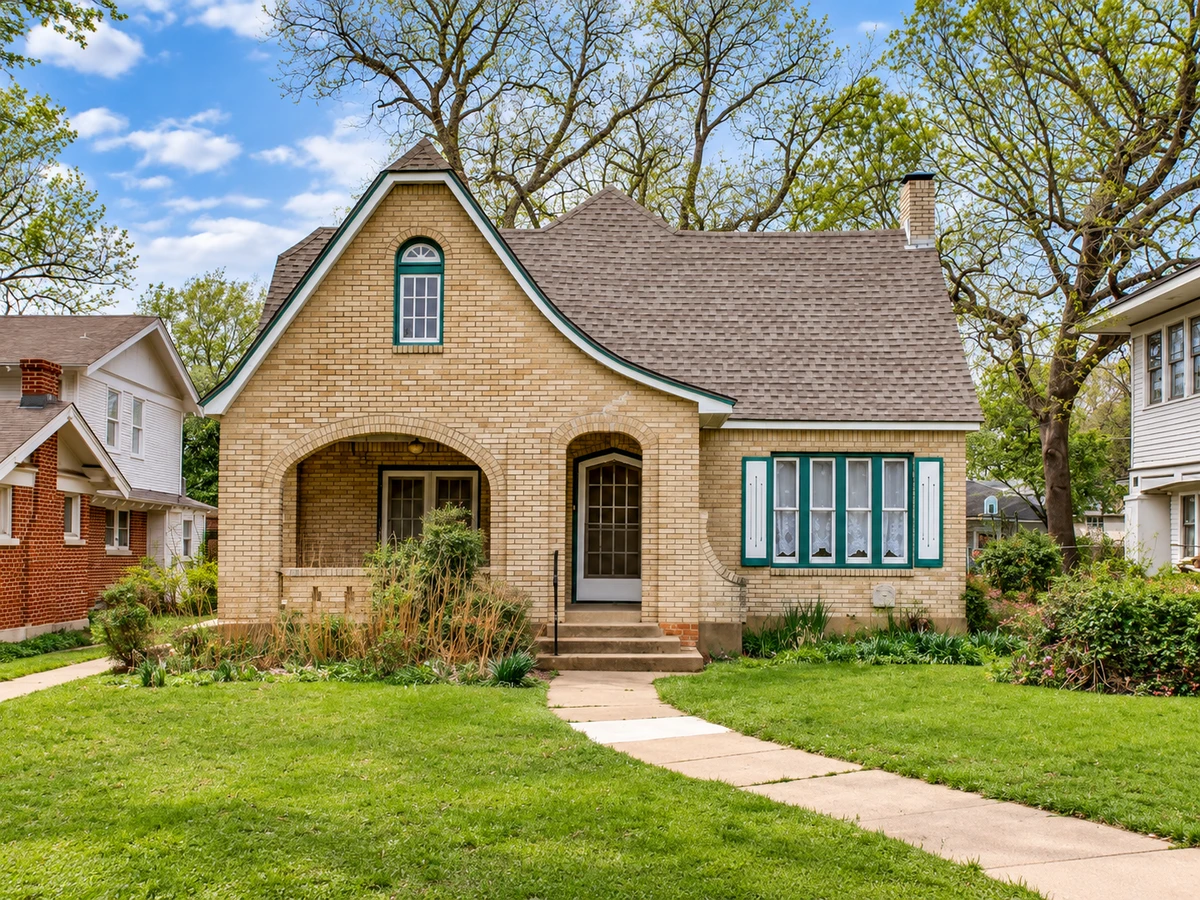
Explore Winnetka Heights homes and neighborhood information
Winnetka Heights brings the historic-home search to North Oak Cliff. One-story frame bungalows and two-story Prairie-influenced Four Square houses are important parts of its architecture. Substantial porches help connect the houses to the residential street, creating a setting distinct from Dallas’ later ranch-house additions.
The variety in height and house form gives buyers several ways to find an older home here. A bungalow and a larger Four Square can share the same neighborhood identity while providing a different experience inside. Winnetka Heights is particularly relevant if the architecture and Oak Cliff location matter equally to the search.
City of Dallas: Winnetka Heights district and ordinance
Peak’s Suburban Addition: a broader mix of historic house styles
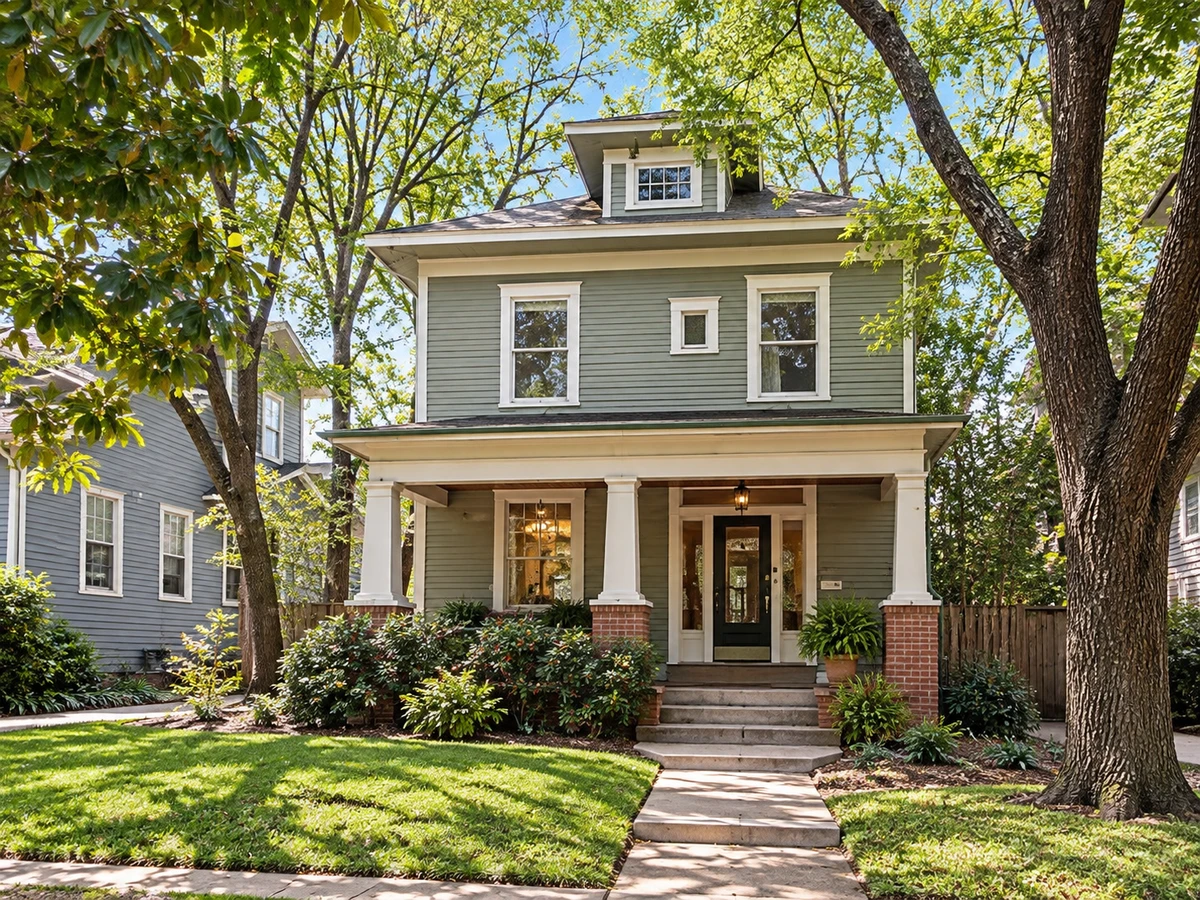
Explore Peak’s Suburban Addition homes and neighborhood information
Peak’s Suburban Addition reflects several stages of Dallas’ residential growth, with houses from the late nineteenth and early twentieth centuries. Queen Anne, Tudor Revival, Classical Revival, Mission Revival and Craftsman-influenced designs appear in the district. Historic streetcar apartments add another layer to its built history.
That mix is the reason to explore Peak’s: its character comes from several generations of architecture rather than one dominant style. It offers a different Old East Dallas comparison from Munger Place’s stronger Prairie identity. The individual building type matters when narrowing the housing search within this varied district.
Preservation Dallas: Peak’s Suburban Addition
Lake Cliff: historic housing and the park setting
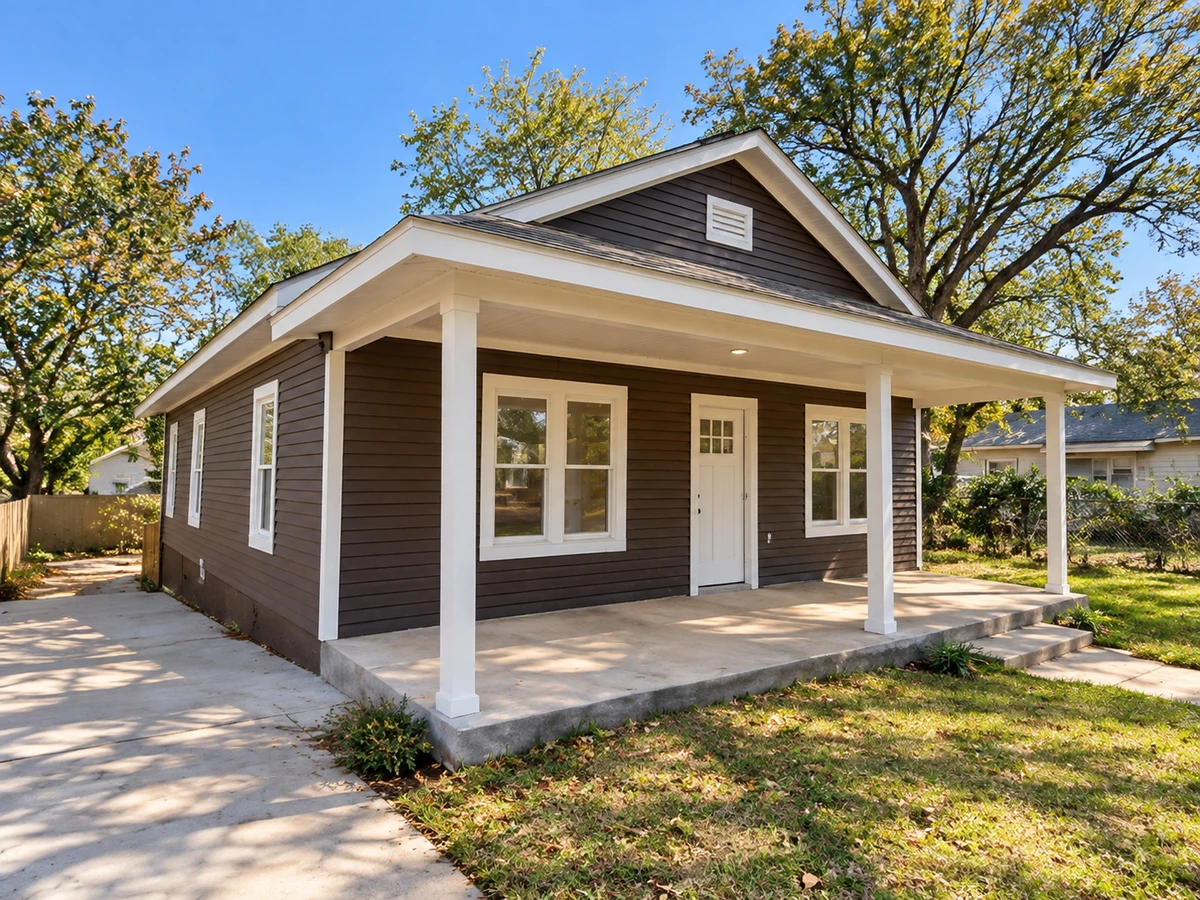
Explore Lake Cliff homes and neighborhood information
Lake Cliff connects historic housing with a park-centered Oak Cliff setting. The local historic district includes the park and part of the surrounding neighborhood. That relationship between residential streets and a substantial public landscape gives the area a different focus from an architecture-only house search.
Explore the houses together with their position around the park and within the wider neighborhood. The appeal is the combination of an older residential setting and a recognizable outdoor destination. The city’s district map and ordinance provide the boundary detail for a particular home.
City of Dallas: Lake Cliff district and ordinance
Historic character and legal designation are different questions
Dallas landmark districts have district-specific preservation criteria. Conservation districts use a separate regulatory framework, and National Register recognition is another designation. An older house, a historic-sounding neighborhood name and a listing description do not establish which rules apply to the address.
City of Dallas landmark district resources
City of Dallas conservation district provisions
The City requires a Certificate of Appropriateness before exterior work on locally designated landmark properties and lots. Review the actual district ordinance and current review process with preservation staff before planning painting, window work, additions, demolition or other exterior changes. Building permits and other approvals may also be needed.
City of Dallas: landmark review and Certificates of Appropriateness
Plan the purchase and any preservation work together
Once the setting and architecture feel right, review the home’s condition and proposed work in one coordinated step. Inspection findings, available alteration records and the applicable preservation criteria can help distinguish routine repairs from a more involved restoration. Budget for appropriate materials and methods, and confirm approvals before committing to exterior changes; historic status does not itself guarantee appreciation or a tax incentive.
Dustin Pitts can help compare suitable homes and organize the property research while you confirm preservation requirements and planned work with the responsible professionals.
