

Addison home guides

Buying a Home in Addison: A Practical Home-Buying Checklist
Buying a home in Addison starts with choosing how you want the property to function day to day. A newer townhome with living space on several floors raises different questions than an established detached home with more rooms on the main level. Start with the Addison homes and neighborhoods guide to narrow the search, then compare the actual layout, condition and ownership responsibilities of each home.
Before making an offer, look past bedroom count and fresh finishes. The checklist below helps separate a home that photographs well from one that fits your routine, vehicles, maintenance tolerance and budget.
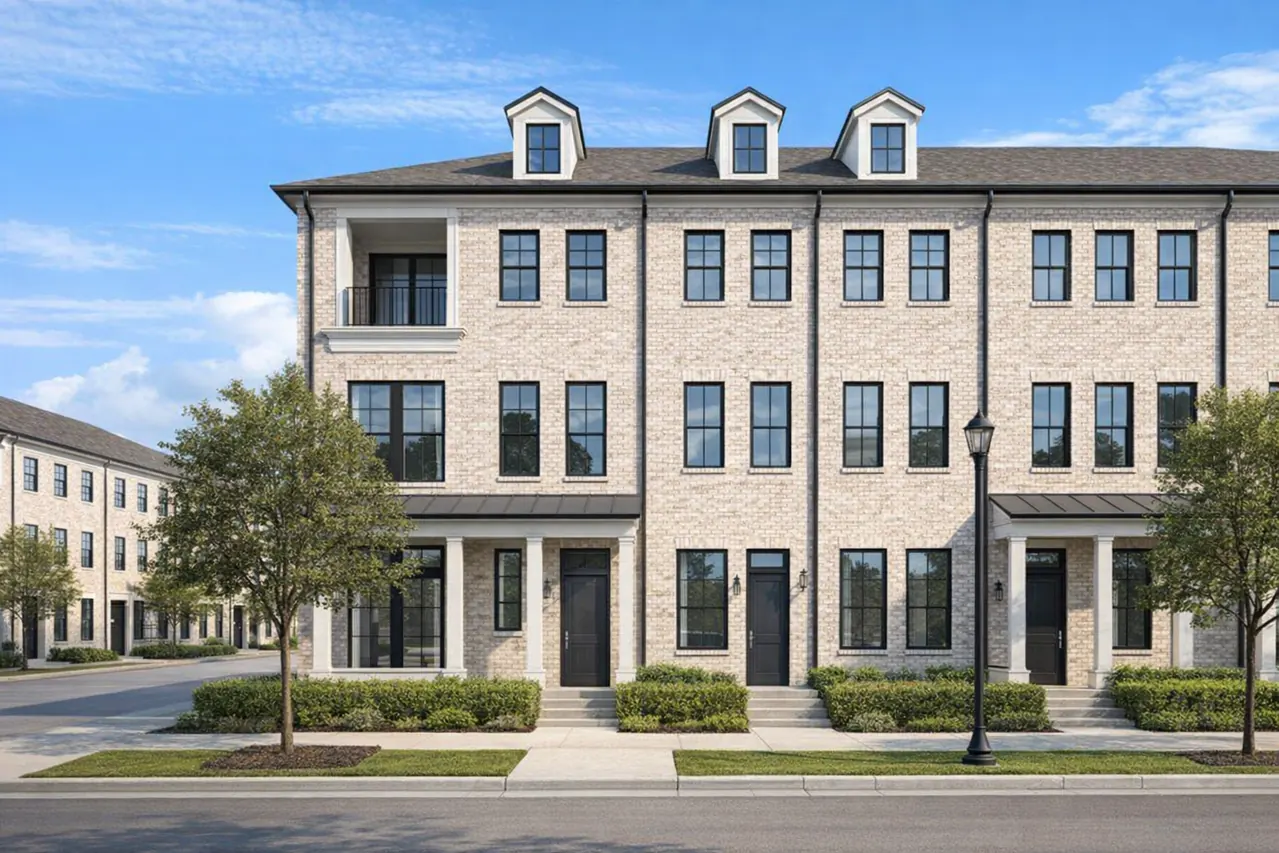
Walk the floor plan the way you would actually use it
Start at the garage and trace your path to the kitchen, laundry, primary suite and outdoor space. Count the stairs you would use on an ordinary day. A first-floor bedroom does not necessarily mean the main living room or kitchen is also on that level, and an upstairs bonus room serves a different purpose than a dedicated office near the entry.
In Addison Grove, this matters immediately because homes include three- and four-story townhome layouts. Compare a downstairs room with a separate entrance, an upper-floor living area and a roof deck by their actual access and function. If a room is marketed for live-work use, confirm the applicable rules before relying on that description.
For established detached homes in Grand Addison, Westfield Court and Waterford, check where the primary suite, secondary bedrooms and any bonus space actually sit. Some homes keep everyday rooms together, while others place additional sleeping or living space upstairs.
Test the garage, not just the advertised parking count
A two-car garage may mean tandem parking, with one vehicle behind the other, or side-by-side spaces. Storage shelving, workshop space or a partial conversion can reduce usable parking. Check door openings, vehicle clearance, turning room and the route from the garage into the house. If two covered spaces are important, measure before treating that feature as settled.
Guest parking and overnight parking rules also deserve review. If charging equipment matters to you, verify whether the property has an installed charger, prewiring or neither. Those are different conditions.
Separate cosmetic updates from broader renovation work
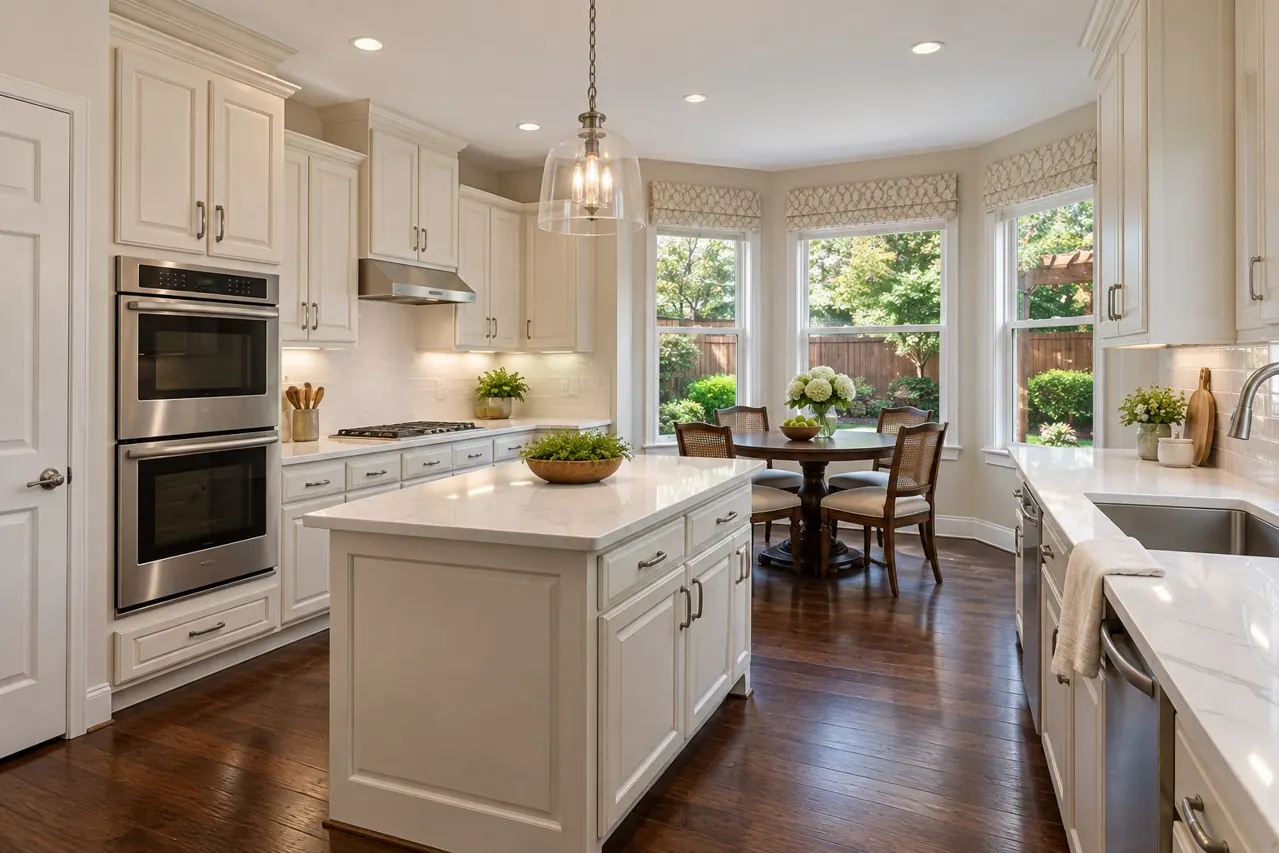
New counters, flooring and paint can improve how a home feels. They do not establish the condition of the roof, HVAC equipment, windows, plumbing or foundation. Ask for the improvement history, available invoices, warranties and relevant permits, then use inspections to investigate condition.
Also compare what changed in the renovation. A redesigned kitchen may improve storage and circulation, while replacement windows or mechanical equipment address a different ownership priority. Price the remaining work instead of assuming a renovated appearance means every major system has been updated.
Look closely at the outdoor space you would really use
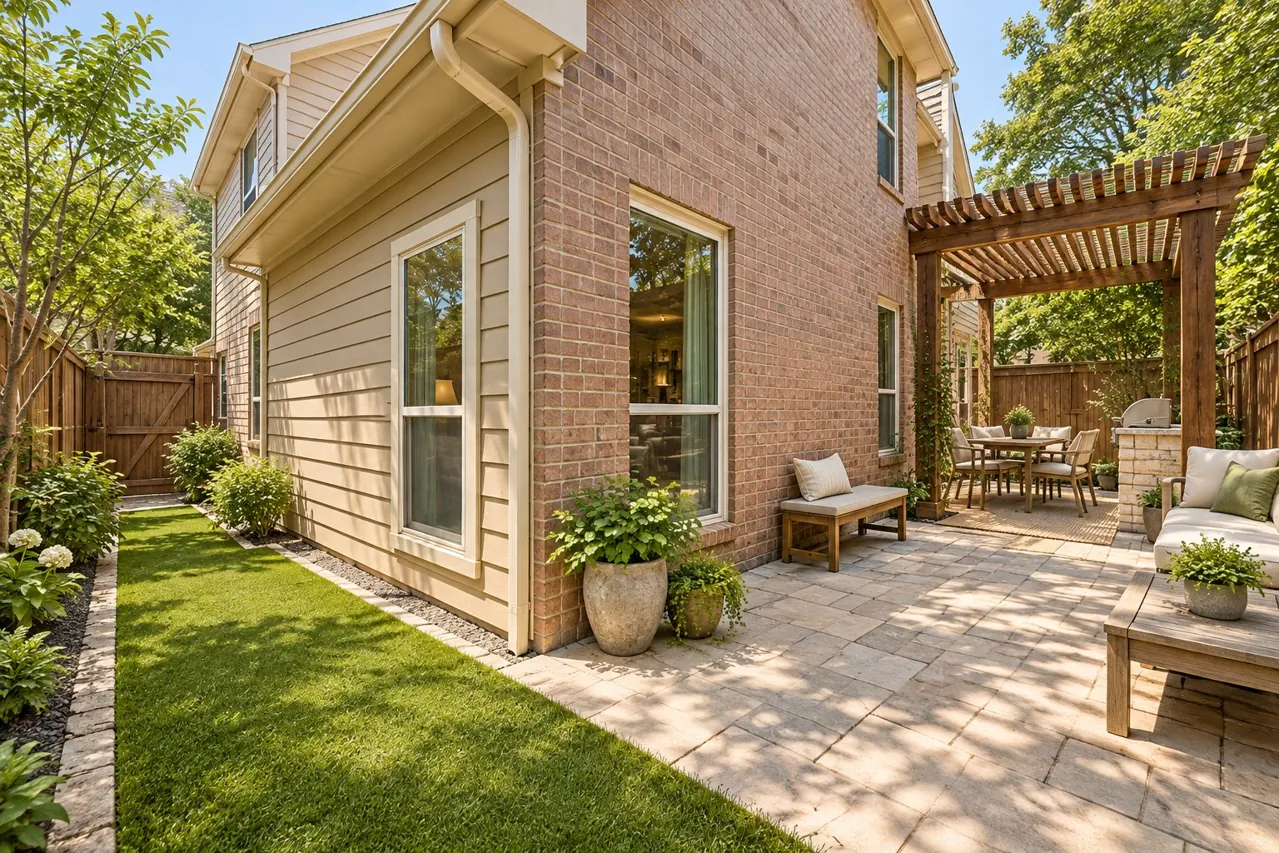
A covered balcony off the living room, a roof deck several floors above the kitchen and a patio reached directly from the main level offer different kinds of outdoor use. Compare dimensions, shade, privacy, drainage and ease of access.
If the property has a pool, include equipment condition and maintenance in your inspection and budget. If the lot backs to green space, distinguish a view from a private gate or direct trail connection. Confirm boundaries and any access rights instead of assuming proximity creates access.
Confirm what the HOA actually covers
Request the current documents and charges for the specific property. Compare annual dues, billing frequency, included services, owner maintenance duties and any additional assessments. A monthly fee and a quarterly fee cannot be compared by payment amount alone.
Do not assume a townhome association maintains the roof or exterior, or that a home marketed without dues has no restrictions. Review current documents for rental rules, exterior changes, parking and insurance responsibilities. Match your renovation or rental plans to those documents before relying on them.
Build a property-specific ownership budget
Compare the mortgage estimate with property taxes, insurance, association charges, utilities and a maintenance reserve. Use the selected property’s tax information and current insurance quotes when possible. The seller’s current costs may not match yours.
When you compare homes, weigh layout, condition, outdoor space, documented updates, ownership duties and likely near-term repairs together. A particular townhome or remodeled detached home should make sense as a complete ownership package, not just by appearance.
Use the same checklist on every home
Keep simple notes for each property: daily stair use, primary-suite location, usable garage spaces, documented updates, outdoor function, HOA duties and remaining work. That makes it easier to compare homes before the offer discussion.
For a broader neighborhood comparison, return to the Addison neighborhood hub. If you want help narrowing the shortlist and reviewing the practical tradeoffs in each home, visit my Addison Realtor page.


