
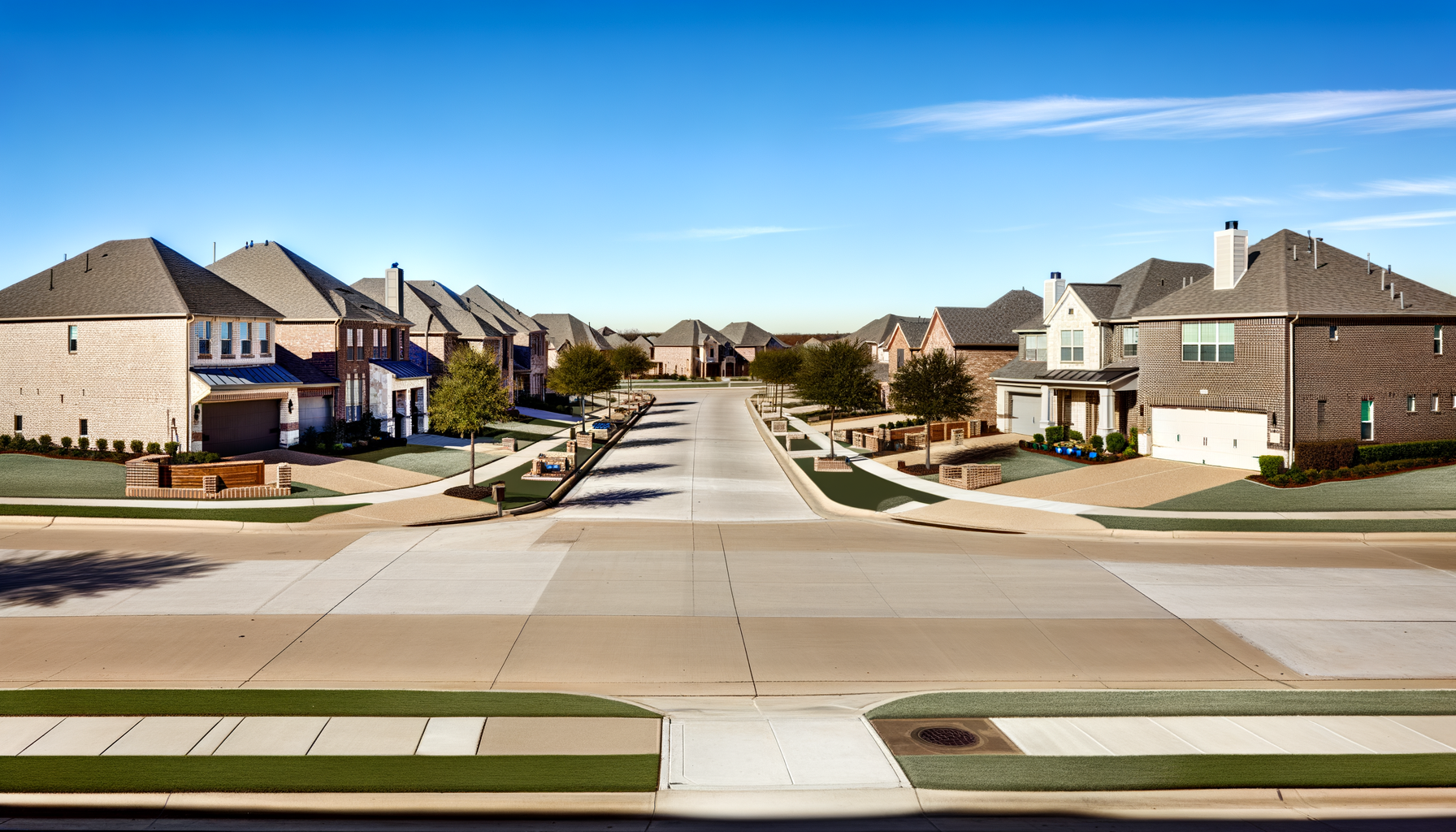
Many buyers looking in Celina start their search with safety and community design at the top of the list. Celina’s growth has been steady, with new developments mixing modern planning with the quieter, more residential layout that people expect from suburban North Texas. But not all areas have the same layout, home styles, or traffic patterns, which means choosing the right neighborhood can take a little research.

This guide takes a closer look at several of the safest and most sought-after neighborhoods in Celina. Each area has its own way of balancing privacy, convenience, and access to main routes into Frisco, Prosper, and surrounding cities. Understanding how these neighborhoods differ can help narrow your focus when planning your move or exploring homes already on the market.
Whether you’re relocating to North Texas or moving within the region, it helps to see what sets Celina apart from many other suburban markets. Below is an overview of what buyers typically consider when evaluating safety, layout, and neighborhood structure across Celina.
What to Know About Celina
Celina sits in northern Collin County, expanding steadily along Preston Road and the Dallas North Tollway extension. The city’s plan encourages intentional growth, with master-planned communities forming distinct pockets east and west of Preston. Most of the newer neighborhoods incorporate organized HOA structures, limited traffic access points, and modern home designs, all of which add to peace of mind for many homeowners.
Buyers in Celina often weigh safety in practical terms—things like controlled entry points in neighborhoods, street visibility, newer infrastructure, and well-maintained public spaces. These factors tend to overlap with areas built over the past five to ten years, as community planning has evolved with growth in nearby Frisco and Prosper.
Additionally, Celina’s layout naturally divides into two main sections: western areas that retain more open land and larger home sites, and eastern areas closer to the Tollway with newer amenities and quicker highway access. Being clear on what matters most—space, convenience, or quieter streets—helps clarify which neighborhoods make sense for your specific goals.
Neighborhoods to Consider in Celina
Wilson Creek Meadows
Wilson Creek Meadows blends established residential layouts with newer construction phases. Streets are thoughtfully designed with limited through-traffic, which creates a more controlled environment for homeowners. The community’s location south of downtown Celina allows quick access to Preston Road, while local arteries keep neighborhood traffic separate from major commuter routes.
Homes in Wilson Creek Meadows feature larger footprints and deep backyards compared with many other new builds nearby. Buyers who prefer slightly more space but still want the structure of an organized HOA often find this area appealing. It strikes a balance between security and the open, low-density character many people associate with Celina’s early neighborhoods.
Sutton Fields
Located toward the eastern edge of Celina, Sutton Fields is one of the more recognized master-planned developments in the area. The neighborhood’s structured entryways and internal road network are designed to minimize nonresident traffic. Because it’s positioned near the border with Prosper, Sutton Fields benefits from convenient access to major thoroughfares without heavy cut-through traffic internally.
Homes here tend to fall within mid-size ranges, with front-facing garages and consistent streetscapes that integrate well-maintained sidewalks. It’s a practical option for buyers who prioritize neighborhood continuity and newer-style planning, emphasizing both appearance and easy navigation.
Mustang Lakes
Mustang Lakes lies in southeast Celina and represents one of the most extensive planned communities in the region. The layout includes controlled community entries and a wide variety of homes built around open green space and water features. Compared to smaller neighborhoods, Mustang Lakes offers a more private feel due to the size and spacing of its phases.
Buyers who want a master-planned setting with on-site recreational amenities often gravitate here. While that environment provides consistency and oversight, it also comes with HOA guidelines that maintain neighborhood standards over the long term—something that contributes to a sense of stability and safety that many homeowners value.
Light Farms
Light Farms stretches along the southeastern area of Celina between Preston Road and the Tollway extension. It’s a large development built with multiple sections, each having its own character but sharing a cohesive community plan. Roads within Light Farms are intentionally limited in external access, reducing cut-through routes from other parts of town.
The neighborhood’s scale supports a variety of home sizes and lot types, with a consistent emphasis on pedestrian connectivity and well-defined public areas. Buyers who prefer newer homes with built-in safety features such as controlled access points and strong HOA oversight often place Light Farms high on their short list.
Cambridge Crossing
Cambridge Crossing, located just off the Tollway’s northern stretch, stands out for its organization and newer infrastructure. Streets are laid out to funnel traffic away from home clusters, and common areas are placed strategically to maintain visibility and reduce congestion. The architectural design is cohesive, with modern traditional homes set on deep lots and manicured streetscapes.
The location offers one of the most convenient commutes in Celina while maintaining a sense of separation from higher-traffic zones. Many buyers see Cambridge Crossing as a forward-looking option—built with the same safety-conscious layout philosophy that defines Celina’s recent development wave.
How to Choose the Right Area in Celina
When narrowing your search, consider how much weight to give location versus neighborhood structure. East Celina neighborhoods closer to the Dallas North Tollway typically deliver faster access to regional employers and shopping corridors, while western Celina provides more open surroundings and a quieter rhythm of daily life.
Home layout and lot size are also part of the equation. Communities like Mustang Lakes and Light Farms emphasize planned amenities and uniform design, while areas like Wilson Creek Meadows allow for a mix of newer and slightly older construction with larger parcels. These differences influence how each neighborhood feels day to day, from traffic flow to overall privacy.
Finally, evaluate HOA standards. Some communities actively regulate exterior maintenance and neighborhood aesthetics, while others are more relaxed. Deciding which environment aligns with your lifestyle can clarify which part of Celina best meets your comfort level and security expectations.
Final Thoughts on Celina
Celina’s rapid development hasn’t compromised its reputation for safe, well-organized neighborhoods. Each area has distinct strengths, and finding the right fit depends on how you balance convenience, space, and the overall environment you prefer. Visiting multiple communities and observing their patterns firsthand remains the best way to compare options across Celina.
About Dustin Pitts | Celina Real Estate Agent
As a local expert focused on North Texas suburbs, Dustin Pitts helps clients navigate the market strategically. If you’re exploring communities or preparing to buy or sell a home in Celina, reach out for real estate help in Celina. Dustin’s experience with planned developments and established neighborhoods across the area provides direct insight into what truly makes each community stand out.
He brings a practical, data-driven approach to evaluating neighborhood fit—looking beyond listings to factors like infrastructure, layout, and long-term property value. Working with Dustin ensures you have a clear perspective on where to buy and how to approach timing within Celina’s growing market.
Ready to take the next step in your search or sale? Start a conversation today and get professional guidance from a Celina real estate agent who understands the city’s neighborhoods from the ground up.


