
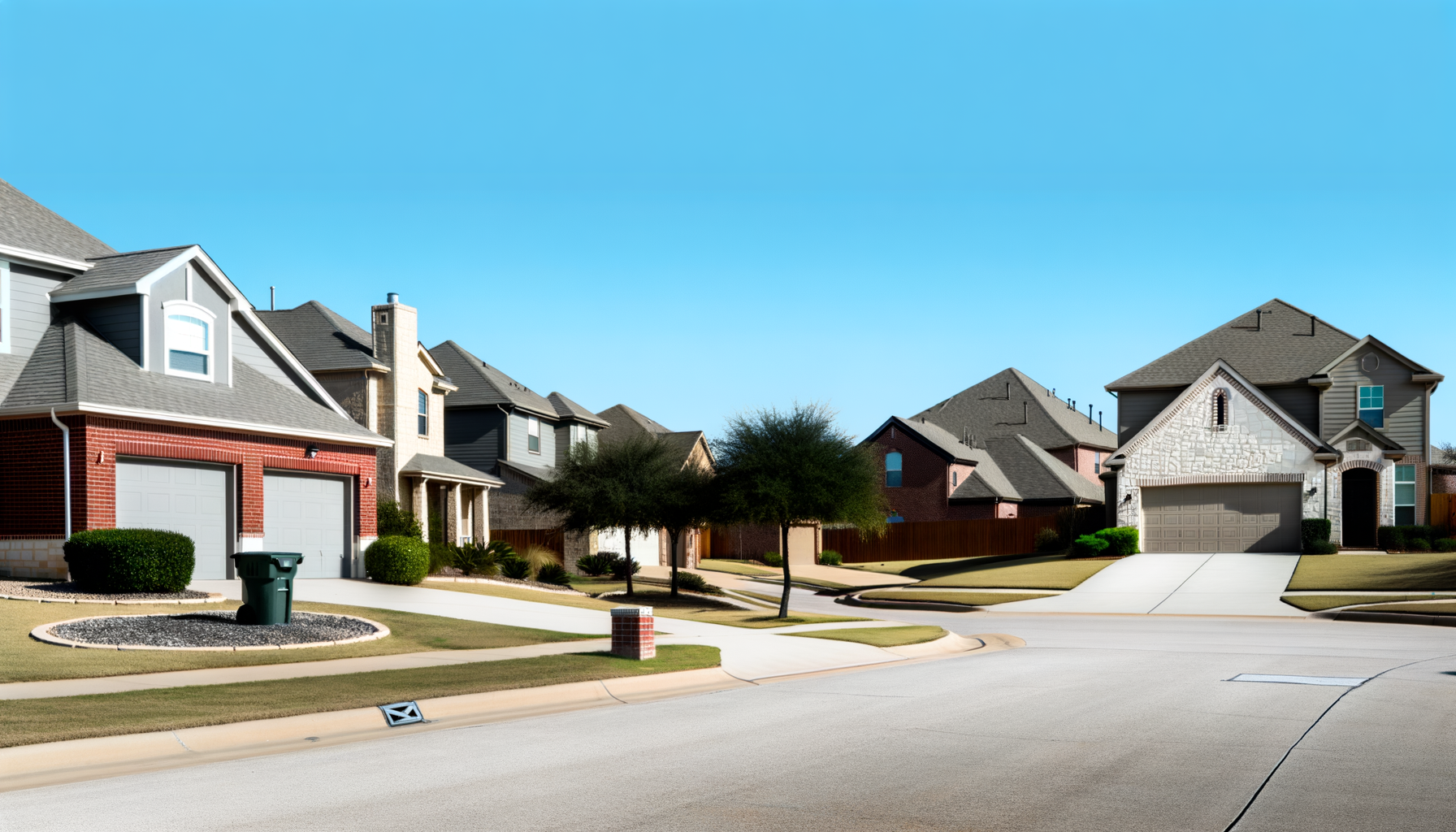
Evaluating the cost of living in Celina starts with understanding how this fast-growing Collin County city has evolved—from open land and custom builds to a more planned suburban layout with new home communities. In 2026, Celina continues to attract buyers who want newer construction, larger lots, and a quieter lifestyle than closer-in suburbs, while still being within the Dallas–Fort Worth metroplex reach.

For buyers relocating from Frisco, Prosper, or McKinney, the question is rarely whether Celina is more affordable overall—it’s how that affordability balances against property taxes, new home upkeep, and daily expenses. The details matter: HOA dues, energy costs, and builder standards all add up to a real-world monthly outlay that looks different here than in other northern suburbs.
This 2026 guide breaks down what it truly costs to live in Celina—covering housing expenses, taxes, ownership costs, and how the city compares to nearby communities for those planning a move or long-term investment.
How Expensive Is Celina, TX?
Celina sits about 40 miles north of downtown Dallas, in a part of the metroplex where growth has outpaced retail and infrastructure. Compared with established suburbs like Frisco or Plano, the cost of living in Celina can be lower for newer housing and land, but higher for commuting costs and certain utilities. Gasoline and auto wear become relevant factors since residents often drive farther for daily needs or work.
Groceries and services land roughly in line with North Texas averages, though the limited local supply can occasionally drive higher pricing for convenience purchases. Dining and entertainment often mean a short drive south, which subtly adds to cost-of-living calculations—both in time and fuel.
Overall, buyers choose Celina less for short-term savings and more for long-term space and new construction quality, even if day-to-day costs balance out once taxes and transportation are factored in.
Housing Costs in Celina
Housing remains the largest expense for most Celina residents. The market’s structure reflects its growth pattern: newer master-planned neighborhoods dominate, with few older resale options. Buyers weighing different developments will notice distinct price and lifestyle tradeoffs depending on lot size, builder lineup, and proximity to Preston Road or the Dallas North Tollway extension.
In Mustang Lakes, buyers tend to find larger brick and stone homes on more established streets, with amenities that contribute to HOA costs but also to long-term appeal. Homes here often attract those seeking upgraded architecture and more mature landscaping.
Light Farms offers a denser community layout, newer construction, and a variety of builder phases. Buyers prioritize its consistency and access routes, though the monthly HOA dues can be higher due to shared upkeep and amenities. It fits those preferring an organized neighborhood setting over wider open lots.
By contrast, Bluewood features moderately sized homes with smaller lots, ideal for buyers wanting newer construction but keeping recurring costs lower. Lawn care, energy bills, and upkeep all tend to run slightly less than in larger-lot communities, which can make a meaningful difference to the total cost of living.
Property Taxes and Ownership Costs in Celina
Property taxes are often higher in developing cities like Celina because newer municipalities still balance infrastructure investment with a growing residential tax base. Each neighborhood carries a different tax rate depending on municipal utility districts (MUDs) or public improvement districts (PIDs). Buyers should review these carefully before finalizing a purchase, as differences between neighborhoods may add hundreds of dollars per month.
Insurance rates vary with construction year and roof type, but many newer builds receive the benefit of modern materials that can lower some maintenance and risk costs. HOA dues across Celina communities typically support neighborhood amenities and landscaping upkeep. In HOA-managed developments, these dues substitute for some private maintenance, but they must be included in monthly budgeting alongside taxes and mortgage payments.
For homeowners planning longer-term ownership, it’s also smart to factor in eventual costs like exterior paint refreshing or fencing, as the dry Texas summers and shifting clay soil can increase maintenance needs over time.
Monthly Cost Breakdown to Think About
While the mortgage and property taxes make up most of a homeowner’s costs, Celina buyers often underestimate recurring expenses tied to space and distance. A practical monthly budget should include more than just principal and interest:
- Utilities: Homes are newer and often energy-efficient, but lot irrigation and Texas summers still drive higher water and cooling bills.
- HOA dues: Range significantly based on community amenities and maintenance levels.
- Commuting costs: Fuel, tolls, and car maintenance for daily drives to employment centers or schools.
- Home maintenance: Routine exterior work, system servicing, and potential foundation checks due to local soil.
- Personal services: Lawn care, pest control, and household upkeep costs rise proportionally with larger homes and yards.
Factoring these monthly categories early ensures buyers don’t underestimate the true cost of life in a growing suburban environment like Celina.
How Celina Compares to Nearby Areas
Frisco and Prosper offer closer proximity to major retail corridors, but with that comes higher land values and often smaller lots for a given home price. Celina’s relative affordability comes from its development stage and available land, though current and planned infrastructure projects may continue to influence future pricing.
Compared with McKinney or Little Elm, Celina delivers newer construction and more planned layouts but fewer established amenities within short driving distance. For buyers who value breathing room and newer builder warranties, this tradeoff is acceptable; those wanting ready-made retail or entertainment access may find costs increase slightly when frequent travel is considered.
In short, Celina’s value equation depends on how a buyer defines convenience versus space. Its housing dollar stretches further, but that advantage balances out over time depending on lifestyle and commuting patterns.
Is Celina Worth the Cost?
Celina continues to hold appeal for buyers focused on long-term growth potential and home quality. The area’s sustained residential expansion signals future infrastructure improvements, giving current buyers a chance to enter before the city fully matures. However, patience is necessary—construction, ongoing road projects, and limited nearby retail can test convenience in the short term.
The real value lies in the stability of newer homes, the land-to-house ratio, and the sense of being slightly ahead of the curve in the northern buildout. For investors or homeowners planning a longer stay, those factors can outweigh day-to-day cost differences compared to more built-out neighboring cities.
About Dustin Pitts | Celina Real Estate Agent
As a local agent who handles buying or selling in Celina, Dustin Pitts brings hands-on insight into what drives real expenses here—from utility costs to builder HOA structures. His on-the-ground experience with both resale and new construction helps clients accurately assess what “affordability” really looks like north of Highway 380.
Dustin understands how Celina’s rapid expansion impacts pricing, negotiation leverage, and long-term resale prospects. Whether analyzing property tax breakdowns or comparing neighborhood build quality, his guidance keeps buyers focused on overall ownership cost rather than just list price.
If you’re planning to relocate, upgrade, or list your home in Celina, connect with Dustin for tailored advice and market perspective. Start with trusted real estate help in Celina to make confident decisions in this evolving market.


