
Addison home guides

Cost of Living in Addison, TX: A Homeownership Budget Guide
Whether Addison is expensive for your search depends on the home, your financing and the costs that continue after closing. Asking price is only the starting point. Compare the mortgage estimate, property taxes, insurance, HOA obligations, utilities and maintenance before deciding what fits your budget.
This guide focuses on homeownership, not generic regional averages. Use it alongside the Addison pros and cons guide, the Addison neighborhood comparison and the Addison home-buying checklist so you can compare addresses on equal terms instead of relying on broad claims.
What makes Addison housing costs vary
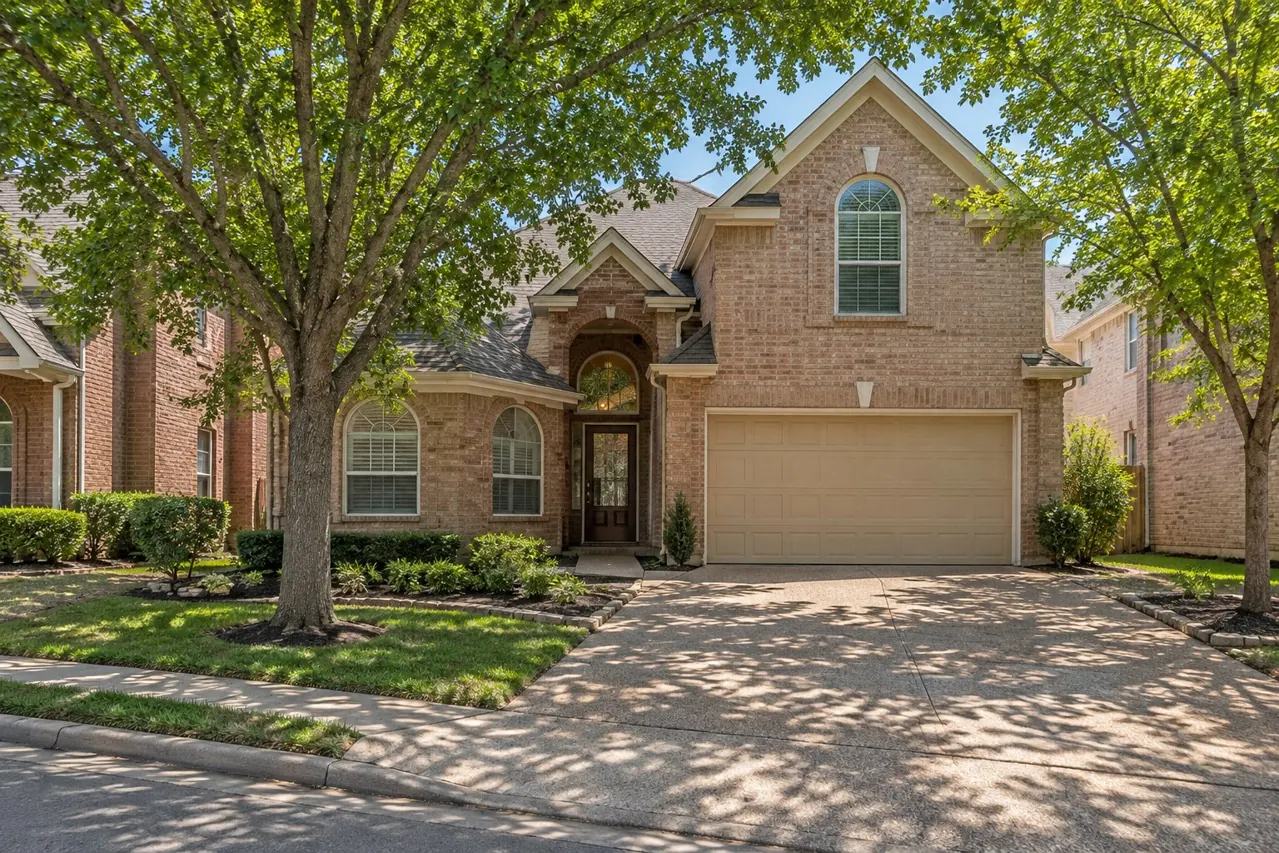
Addison housing costs vary first by home type, then by layout, age, and ownership structure.
In Addison Grove, many homes are newer townhomes with association obligations that need to be checked for the selected property. A compact yard may reduce mowing, but they can also introduce monthly association costs, multi-level living, and garage configurations such as tandem parking that affect day-to-day value.
In Grand Addison, compare the billing frequency as well as the dues amount. Convert recurring quarterly charges to a monthly equivalent by dividing by three, and confirm the selected property’s current obligations, what the HOA maintains, and whether exterior changes require approval.
Westfield Court and Waterford add another layer of variation. Some homes are advertised without dues, but that does not establish the status of every property. The selected property’s current documents have to settle that question.
Age matters too. Waterford home examples run from 1984 to 1993. Westfield Court examples are early 1990s. Grand Addison examples are from 1993 to 1996. Addison Grove examples run from 2018 to 2026. That does not make one option automatically cheaper. It changes where your costs may show up: dues and shared maintenance in newer attached housing, or repair and renovation planning in older detached homes.
Build a complete monthly ownership budget
To build a real Addison budget, separate upfront cash from monthly ownership costs. Upfront cash usually includes down payment, lender closing costs, title expenses, prepaid items, moving costs, and post-closing reserves. Those are important, but they are not your monthly cost of living.
Your monthly budget should look like this:
| Budget line | How to get the amount | Notes |
|---|---|---|
| Mortgage principal and interest | Use your lender quote for the exact loan amount, rate, and term | Keep this separate from escrow so you do not double count taxes or insurance |
| Property taxes | Review the property tax record and obtain an estimate for your ownership; divide the estimated annual amount by 12 | The seller’s existing bill and exemptions may not reflect your costs |
| Homeowners insurance | Get a quote for the exact address and divide annual premium by 12 | Attached and detached homes can quote differently |
| HOA dues | Use the current resale certificate or HOA documents | Monthly, quarterly, or annual dues should all be converted to a monthly figure |
| Utilities | Ask for recent utility history when available and confirm likely service setup for the address | Estimate separately for electricity, water, gas, internet, and any required services |
| Routine upkeep reserve | Create your own monthly reserve based on the home’s age and condition | Use this for minor repairs, servicing, and items not covered by the HOA |
| Pool or yard care | Quote vendors if the property has a pool or meaningful yard work | Do not include this if the HOA fully covers the work |
One budgeting mistake to avoid is double counting escrow items. If your lender payment already includes taxes and insurance, do not add them again as separate monthly line items in your total. List them separately for clarity, but total them once.
Also ask the HOA four practical questions before you rely on the dues number alone:
- What does the HOA maintain?
- Is roof or exterior work owner responsibility or association responsibility?
- Are there current or proposed assessments?
- What insurance must the owner carry in addition to any master policy?
Compare Addison and Dallas on equal terms
The only fair way to compare Addison and Dallas is to hold the financing assumptions constant and then compare actual property-level obligations.
Use the same purchase price, down payment, interest rate, loan type, and quote date for both properties. Then compare estimated property taxes for your ownership at each address in its actual jurisdiction, the insurance quotes for each address, the HOA dues if any, and the expected maintenance based on age and condition. That gives you a comparison that reflects the homes, not a headline.
For example, an Addison townhome and a Dallas house at the same price may produce very different ownership patterns. The Addison home may have HOA dues but less yard work. The Dallas home may have no HOA or different dues but more exterior maintenance, a larger yard, or older systems. Neither is automatically cheaper on paper until you compare the full monthly budget using the exact addresses.
Avoid choosing between the cities on an assumed cost ranking. Dallas contains many different property types and tax situations. Addison has a smaller, more concentrated housing mix. Holding these assumptions constant makes the cost differences easier to evaluate.
If you are still sorting out whether the housing tradeoffs fit your priorities, review the living in Addison pros and cons guide before deciding how much the address is worth to you.
Budget for repairs and renovations
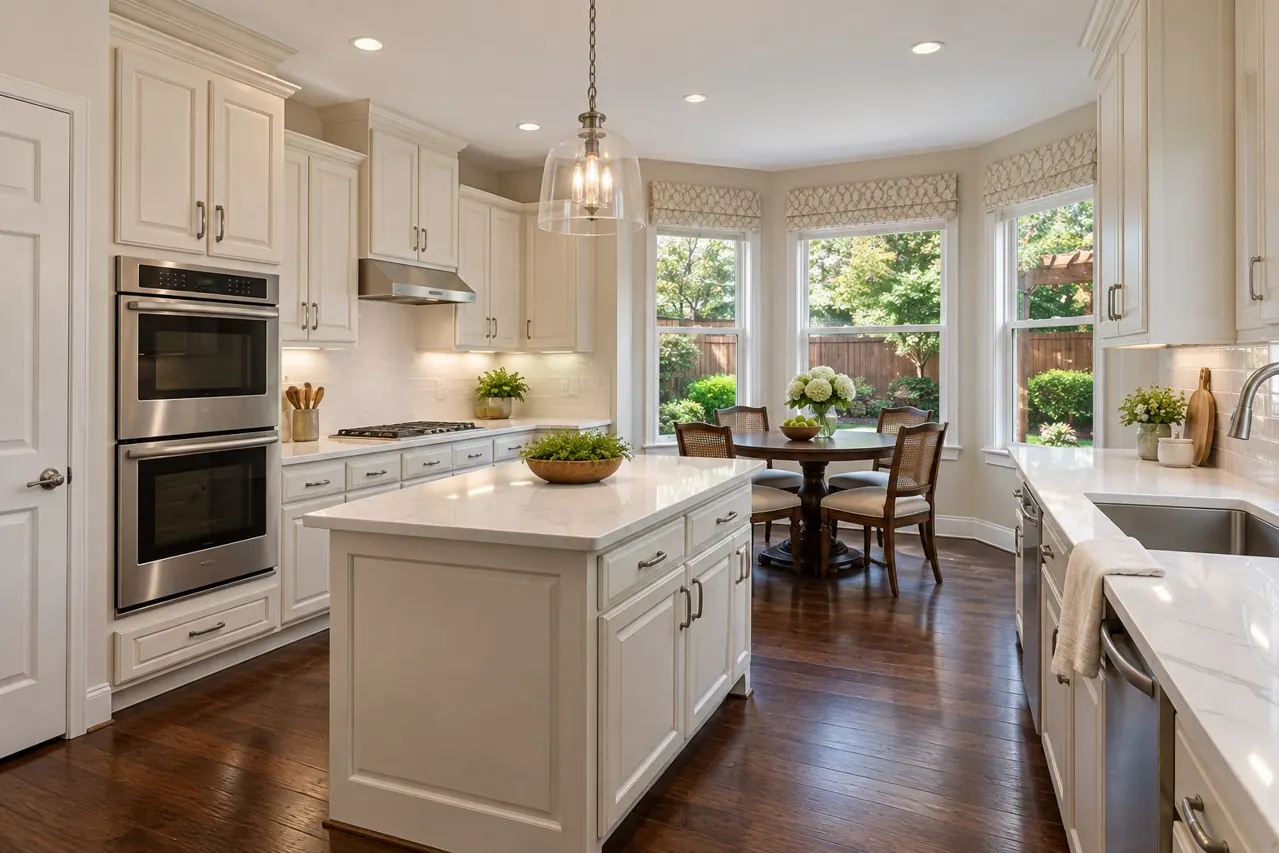
After mortgage, taxes, insurance, and HOA, the next budgeting split is surfaces versus systems.
Surface updates include paint, flooring, counters, backsplashes, lighting, and cosmetic bathroom work. These can improve how the home looks and feels, but they do not necessarily reduce ownership risk.
System costs include roof work, HVAC replacement, windows, water heaters, drainage corrections, electrical updates, and major exterior repairs. These usually have a bigger impact on the ownership budget.
That distinction matters in Addison because the housing stock spans newer townhomes and older detached homes. In an Addison Grove resale, inspect balconies, roof decks, stairs, and garage configuration carefully, and confirm exactly what the HOA covers. A detached home in Waterford, Westfield Court, or Grand Addison may offer more traditional room layouts or outdoor space, but review the documented improvement history. A home with an updated kitchen and older mechanicals should be budgeted differently from one with documented system replacements.
When comparing homes, ask for:
- a seller’s disclosure,
- dates of major replacements if known,
- permits or invoices for substantial renovation work when available, and
- the HOA documents if the property is subject to an association.
Then create two reserves: one for routine upkeep and one for larger irregular repairs or planned renovations.
Decide what the home is worth to you
Addison is not expensive or affordable in the abstract. It is worth the cost when the housing format saves you time, reduces the type of maintenance you dislike, and puts you in a layout that fits your routine. It feels less worth it when you pay for location convenience but still wish you had chosen a larger yard, fewer stairs, or a simpler ownership structure.
If you are comparing options, build a short list that includes at least one Addison townhome, one Addison detached home if available in your target range, and one Dallas-area alternative at the same price point. Run the same monthly budget template on each address. That process usually reveals the real tradeoff faster than any market summary.
For neighborhood context, use the Addison city hub. If you want help comparing ownership costs, HOA obligations, and renovation risk across specific properties, connect with Dustin Pitts, Addison Realtor.


