Quiet Residential Neighborhoods in Richardson: Where Buyers Find Privacy and Stability
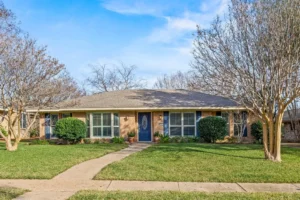
Many buyers moving to Richardson are not looking for fast growth or trendy developments. They want quiet streets, established homes, and a sense of long-term stability. Richardson has built a strong reputation for offering these types of communities, which continue to attract professionals, families, and long-term homeowners.

Before narrowing their search, many buyers begin by exploring Living in Richardson to understand how different areas of the city feel day to day.
What Defines a Quiet Neighborhood in Richardson
Quiet residential areas in Richardson tend to share several characteristics:
-
Low traffic and established street layouts
-
Mature trees and landscaping
-
Strong homeowner stability
-
Limited commercial development nearby
These factors contribute to long-term consistency and appeal to buyers seeking a calm environment.
Unlike newer suburban developments, these neighborhoods often evolve slowly, which helps preserve their character.
Canyon Creek and Prairie Creek Estates
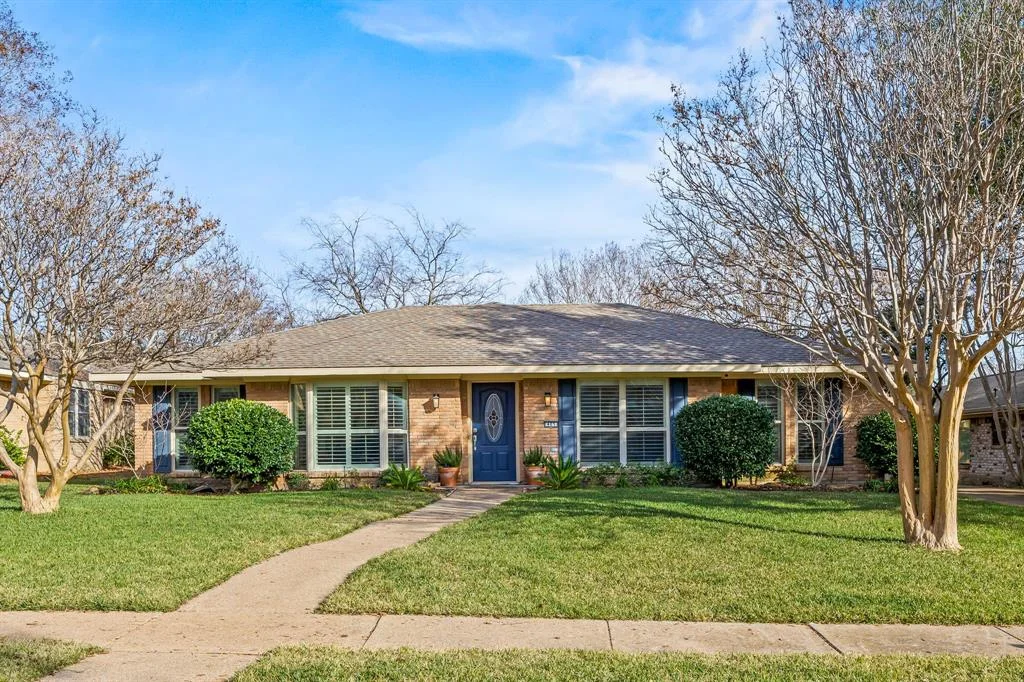
Some of the most well-known quiet communities include Canyon Creek and Prairie Creek Estates.
These neighborhoods are known for:
-
Larger lots and private outdoor space
-
Established landscaping and mature trees
-
Proximity to parks, trails, and green space
-
A strong sense of community
Buyers often choose these areas because they provide a balance of privacy and convenience. Many homeowners stay for years, which helps maintain stability.
Cottonwood Creek Estates and Central Residential Areas
Buyers who want quiet living without sacrificing convenience often focus on Cottonwood Creek Estates.
This area offers:
-
Central access to major roads and shopping
-
Residential streets with lower traffic
-
A predictable long-term environment
It appeals to both families and professionals who want calm surroundings close to everyday amenities.
Richardson Heights and Established Central Areas
While some central neighborhoods are more active, parts of Richardson Heights still offer quieter pockets with strong long-term ownership.
Buyers interested in renovation and equity growth often find opportunities here while still enjoying a stable residential feel.
Lifestyle and Daily Routine
Quiet living is not only about noise levels. Buyers also evaluate:
-
Distance from major highways
-
School traffic patterns
-
Access to parks and recreation
-
Walkability and neighborhood flow
Some professionals prioritize quieter areas while still maintaining access to major commute routes. Reviewing living near US-75 in Richardson can help balance privacy with convenience.
Schools and Stability
School zones often reinforce neighborhood stability. Families tend to remain in strong school areas, which reduces turnover and supports long-term value.
Understanding how boundaries align with residential pockets through the Richardson ISD neighborhood guide helps buyers focus their search.
Why Quiet Neighborhoods Hold Long-Term Value
These communities often perform well because they attract buyers seeking permanence rather than short-term trends. Demand tends to remain steady even during broader market shifts.
Many buyers also see quiet neighborhoods as strong long-term investments because:
-
Supply remains limited
-
Turnover is low
-
Community identity stays consistent
Reviewing the Richardson real estate market overview can help buyers understand why these areas often maintain steady demand.
Choosing the Right Quiet Community
The right neighborhood depends on your priorities:
-
Privacy and space
-
Central convenience
-
School alignment
-
Long-term value
Buyers who work with a Richardson real estate agent often gain insight into upcoming opportunities in these limited-inventory areas.
Quiet Neighborhoods in Richardson: A Long-Term Perspective
Richardson continues to attract buyers who value stability, community, and calm residential environments. Understanding which neighborhoods offer the right balance of privacy and access helps buyers make confident long-term decisions.
Guidance from Dustin Pitts helps buyers evaluate these communities, compare options, and identify opportunities that align with both lifestyle and investment goals.