
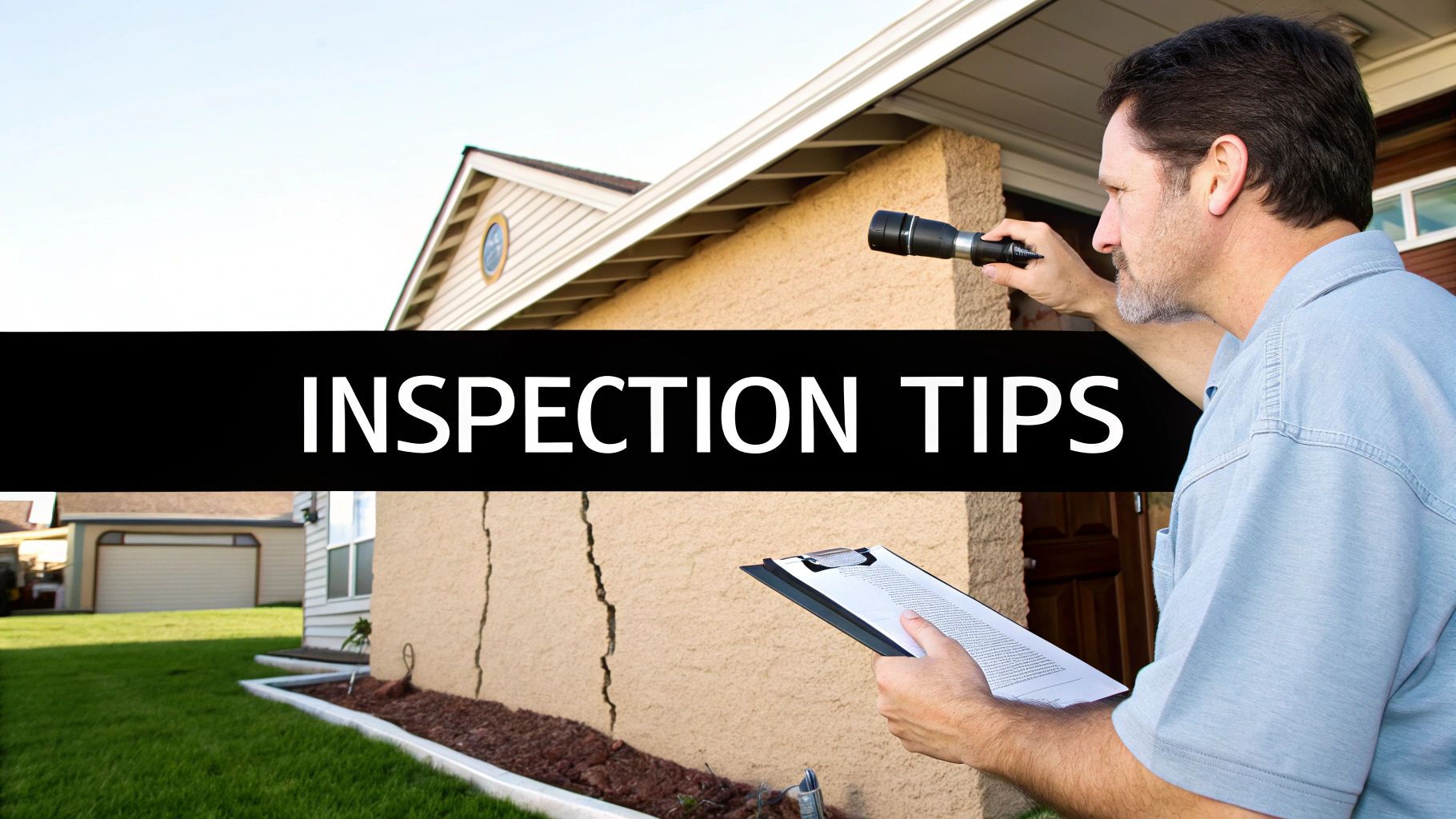
Purchasing a home in the dynamic Dallas real estate market is an exciting venture. From the historic charm of a Lakewood Tudor to a modern build in Preston Hollow, each property holds unique potential and potential pitfalls. The home inspection is your single most important tool for uncovering the true condition of your prospective home, protecting your investment from costly surprises down the road. It transforms a house from an emotional decision into a well-understood asset, providing a clear-eyed look beneath the surface.

This guide provides seven crucial home inspection tips for buyers, tailored specifically for the Dallas area, to help you navigate this critical step with confidence. We move beyond generic advice to deliver actionable strategies that address the unique challenges of North Texas properties. You will learn how to prepare for the inspection, what to look for while you are there, and how to interpret the final report. We will explore common issues found in Dallas homes, from foundation concerns exacerbated by expansive clay soil to aging HVAC systems strained by intense Texas summers. Following these steps ensures you are fully prepared to protect your investment and make an informed purchasing decision.
1. Always Attend the Home Inspection in Person
While the detailed home inspection report you receive is invaluable, it can’t fully capture the nuances and context you gain by being physically present. Attending the inspection is one of the most critical home inspection tips for buyers because it transforms a static document into a dynamic, educational experience. You get to see the property through the eyes of a professional, ask questions in real-time, and understand the scope of issues firsthand.

Being there allows you to distinguish between minor cosmetic flaws and significant structural problems. For instance, an inspector might point out a crack in the foundation of a Dallas home. On paper, that sounds alarming. In person, you might learn it’s a common, superficial settlement crack easily sealed, not a sign of major upheaval from the area’s clay soil. This direct context is crucial for making informed decisions without unnecessary panic.
Why Your Presence Matters
Direct interaction with your inspector provides clarity that a written report often lacks. It’s your opportunity to learn about the home’s systems, from operating the HVAC unit to understanding the quirks of an older electrical panel.
For example, your inspector could walk you through the specifics of maintaining a pool pump, a common feature in Dallas-area homes, or explain the expected lifespan of the roof. This hands-on learning helps you budget for future maintenance and builds confidence in your purchase.
Actionable Tips for Attending the Inspection
To maximize your time on-site, arrive prepared to observe and engage.
- Bring a Notebook and Camera: Jot down the inspector’s comments and take your own photos of areas they highlight. This creates a personal record to reference alongside the official report.
- Ask About Urgency and Cost: For any issue identified, ask: “Is this a critical fix, or can it wait?” and “Do you have a rough idea of what a repair like this might cost?”
- Request Maintenance Advice: Inquire about routine upkeep for major systems like the air conditioning, water heater, and foundation watering systems common in Dallas.
- Don’t Hesitate to Ask for Clarification: If the inspector uses a technical term you don’t understand, ask them to explain it in simpler language. Your goal is to leave with a clear understanding of the property’s condition.
2. Research and Hire a Qualified, Licensed Inspector
Not all home inspectors are created equal, and choosing the right one is one of the most impactful home inspection tips for buyers. A highly qualified, licensed inspector brings expertise and specialized tools that an uncertified individual simply won’t have. This decision can be the difference between a smooth purchase and discovering a money pit after closing, potentially saving you thousands in unexpected repairs.

The value of a credentialed professional cannot be overstated. Consider a scenario where an ASHI-certified inspector uses thermal imaging to detect hidden water intrusion behind a perfectly painted wall in a Lakewood home, a problem missed by the naked eye. This discovery prevents a costly mold remediation project down the line. Similarly, an experienced inspector can identify structural issues with an unpermitted addition, a common finding in older Dallas neighborhoods, protecting your investment from serious safety and resale complications.
Why Your Inspector’s Credentials Matter
A thorough inspector acts as your advocate, providing an unbiased and detailed assessment of the home’s condition. Their job is to uncover issues that could affect the property’s safety, livability, and value, giving you the leverage to negotiate repairs or even walk away from a bad deal.
For instance, an inspector with specific experience in Dallas properties will understand the common foundation issues caused by the region’s expansive clay soil. They can differentiate between minor settlement cracks and signs of significant structural distress that require an engineer’s evaluation. This localized expertise is crucial for making a confident and informed purchasing decision. For more details on what to expect, you can learn more about home inspections in the 75214 area.
Actionable Tips for Vetting an Inspector
To ensure you hire a top-tier professional, perform your due diligence before scheduling the inspection.
- Verify Certifications: Check for credentials from reputable organizations like the American Society of Home Inspectors (ASHI) or the International Association of Certified Home Inspectors (InterNACHI).
- Ask for a Sample Report: Request a sample of a past inspection report to gauge their thoroughness, clarity, and level of detail. A good report is comprehensive and easy to understand.
- Confirm Their Insurance: Ensure the inspector carries both errors and omissions (E&O) insurance and general liability insurance to protect all parties.
- Inquire About Experience: Ask how many inspections they’ve performed in Dallas and how many years they’ve been in business. Experience with local building codes and climate-related issues is a significant plus.
3. Understand What’s Included and Excluded from Standard Inspections
A standard home inspection provides a crucial overview of a property’s condition, but it is not all-encompassing. Understanding its scope is one of the most important home inspection tips for buyers, as it prevents false assumptions and ensures you don’t overlook potentially costly issues. A general inspector assesses visible and accessible systems, but many specialized areas require a separate expert evaluation.
Knowing these limitations helps you budget for and schedule necessary additional inspections. For example, a standard inspection will confirm the HVAC unit functions but won’t test for air quality or the integrity of ductwork hidden in walls. Similarly, an inspector will check visible plumbing for leaks but won’t send a camera down the sewer line to check for blockages or root intrusion from mature Dallas trees, a common and expensive problem.
Why Scope Clarity Matters
Failing to understand the inspection’s boundaries can lead to significant post-purchase surprises. You might assume the foundation check covers hydrostatic pressure testing, or that the electrical review includes an assessment of a home’s capacity to handle a future EV charger. These are specialized tasks outside a standard report.
By reviewing the pre-inspection agreement, you can identify what is and isn’t covered. This allows you to proactively arrange for other experts, such as a structural engineer for a pier and beam foundation or a licensed technician to inspect a high-end pool and spa system, which are popular amenities in upscale Dallas neighborhoods.
Actionable Tips for Understanding Inspection Scope
To ensure a comprehensive evaluation of the property, use the standard inspection as your starting point.
- Review the Pre-Inspection Agreement: Before the inspection, carefully read the agreement provided by the inspector. It will explicitly list what systems are included and what is considered outside the scope.
- Ask About Specialized Inspections: Inquire with your inspector and real estate agent about common add-on inspections for Dallas properties, such as termite (WDI reports), septic systems, or pool inspections.
- Budget for Additional Experts: Set aside funds for potential secondary inspections. An older home in a historic district like the M Streets may warrant lead paint or asbestos testing, while a property with a well requires water quality and potability tests.
- Clarify What “Cosmetic” Means: Understand that inspectors focus on function and safety, not cosmetic flaws like scuffed paint or worn carpeting. Don’t expect these items to be detailed in the final report.
4. Focus on Major Systems and Safety Issues, Not Cosmetic Problems
It’s easy to get sidetracked by scuffed paint or an outdated light fixture during a home inspection, but seasoned buyers know where to direct their attention. One of the most important home inspection tips for buyers is to differentiate between significant structural, mechanical, or safety concerns and minor cosmetic flaws. This approach allows you to make rational decisions and negotiate effectively without getting bogged down by superficial issues that are easy and inexpensive to fix.
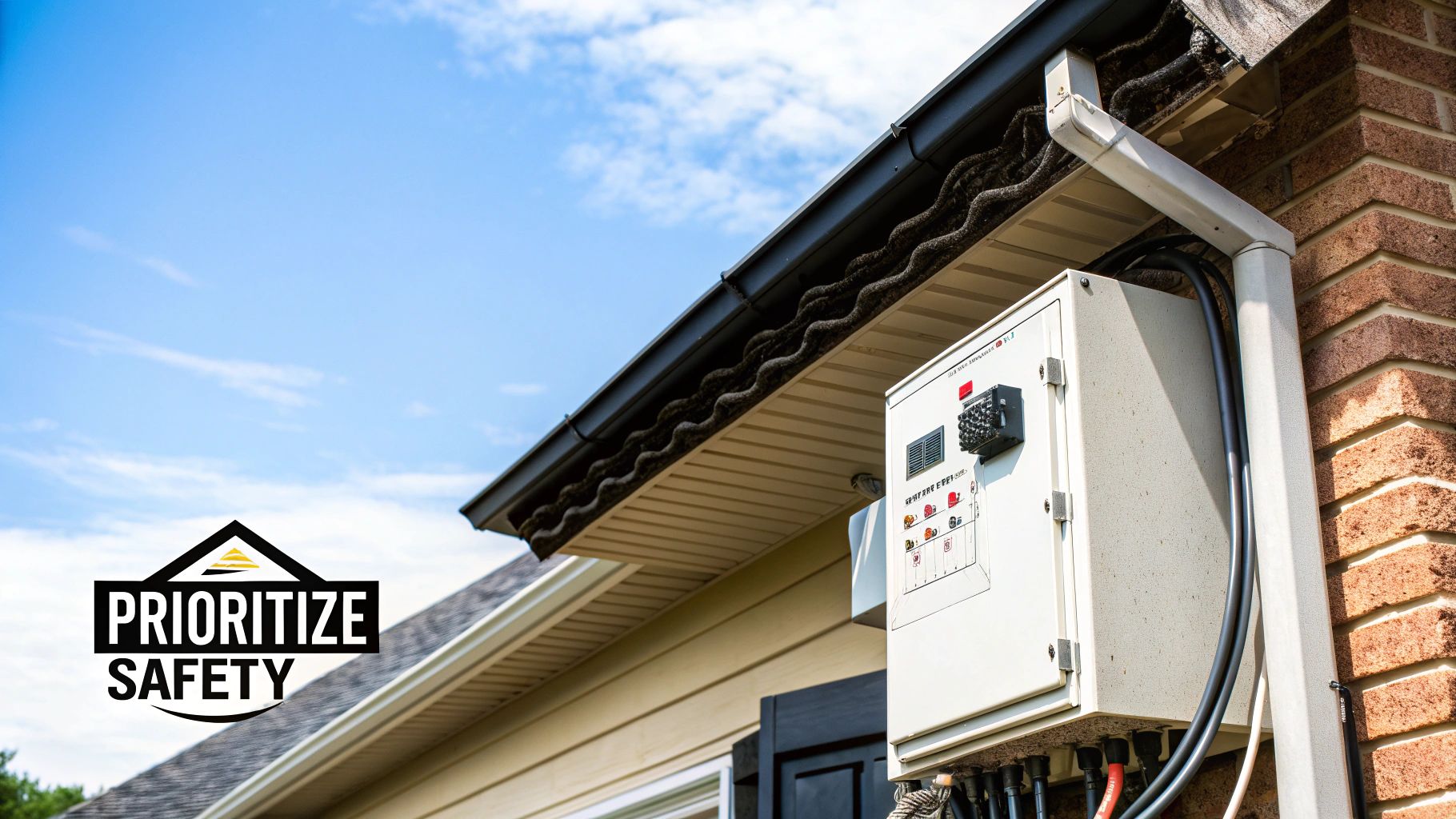
A successful buyer focuses on the home’s core components. For instance, discovering that a 20-year-old HVAC unit in a Dallas home is on its last legs is a valid point for negotiation, potentially leading to a seller credit for a replacement. In contrast, worrying about chipped baseboards or a dated kitchen backsplash distracts from the high-cost items that truly impact the home’s value and your long-term budget.
Why Prioritizing is Crucial
The inspection report will list everything, big and small, but only by prioritizing can you strategize your next steps. The goal is to address issues that affect the home’s safety, integrity, and core functionality. Cosmetic problems are often already factored into the listing price and are part of making a house your own after purchase.
For example, a cracked heat exchanger in the furnace is a serious safety hazard, while a worn-out carpet is a cosmetic preference. Similarly, an undersized or outdated electrical panel in an older Dallas home is a major concern that needs professional attention, whereas a peeling exterior paint job is a weekend project. Focusing on the big-ticket items ensures your investment is sound.
Actionable Tips for the Inspection
Use the inspection to categorize findings and create a clear action plan.
- Create Three Categories: Mentally or on paper, sort issues into three buckets: 1) Safety Hazards (faulty wiring, gas leaks), 2) Major System Defects (roof, foundation, HVAC), and 3) Cosmetic Flaws (paint, fixtures, landscaping).
- Research Repair Costs: Before negotiating, get a rough estimate for major repairs common in Dallas, such as foundation work or a new roof. This data strengthens your request for concessions.
- Ask Your Inspector for Context: For each issue, ask your inspector, “Is this a safety concern, a major defect, or a minor item?” Their professional opinion helps you prioritize.
- Distinguish DIY from Pro Jobs: Honestly assess which cosmetic fixes you can handle yourself versus which problems require a licensed professional. This clarifies the true cost of getting the home move-in ready.
5. Pay Special Attention to Water Damage and Moisture Issues
Water is a home’s most persistent enemy, and in Dallas, where heavy rainstorms and shifting clay soil are common, moisture issues can escalate quickly. Among the most crucial home inspection tips for buyers is to meticulously look for signs of water intrusion. Unchecked water damage can lead to costly structural decay, hazardous mold growth, and significant repair bills that aren’t always obvious at first glance.
What might seem like a small, discolored spot on a ceiling could be the tip of the iceberg, signaling a slow roof leak that has been saturating insulation and drywall for months. A minor grout failure in a bathroom shower can allow water to seep into the subfloor, leading to a five-figure replacement project down the line. Paying close attention during the inspection helps you identify these hidden risks before they become your financial burden.
Why This Matters in Dallas
Being on-site with your inspector allows you to investigate potential water issues together. They can use tools like moisture meters to get objective readings in areas that look suspicious and explain the difference between old, resolved water stains and signs of an active leak. This is your chance to understand the home’s plumbing and drainage systems.
For example, an inspector can show you how the exterior grading around the foundation directs water away from the home, a critical feature for Dallas properties built on expansive soil. Should your inspection uncover plumbing issues or signs of water damage, it’s vital to promptly address them with professional plumbing repair services to prevent further damage.
Actionable Tips for the Inspection
Focus your attention on areas prone to moisture and be prepared to ask specific questions.
- Inspect Ceilings, Walls, and Floors: Look for discoloration, staining, peeling paint, or soft spots, especially under windows and in corners.
- Check Basements and Crawl Spaces: Note any musty odors, visible dampness, or a white, chalky substance on foundation walls (efflorescence), which indicates water penetration.
- Examine Exterior Drainage: Ensure gutters are clear and downspouts direct water several feet away from the foundation. Look for pooling water or negative grading.
- Test Plumbing Fixtures: Run faucets and showers, flush toilets, and look for leaks under sinks and around the base of toilets. Note any drops in water pressure. A thorough checklist can help you track these details during your visit; you can learn more about what to look for with our home walkthrough checklist.
6. Don’t Skip Inspections Even in Competitive Markets
In a fast-paced Dallas real estate market, the pressure to make your offer stand out can be immense. One common tactic is waiving the home inspection contingency, but this is a high-risk gamble that can lead to significant financial regret. Skipping an inspection means you inherit any and all problems, from a failing foundation to a faulty HVAC system, with no recourse. It’s one of the most critical home inspection tips for buyers to understand that protecting your investment is more important than winning a bidding war at any cost.
Smart buyers and their agents find creative ways to remain competitive without forgoing this crucial due diligence. For instance, imagine you’re vying for a sought-after property in the M-Streets. Instead of waiving the inspection entirely, you could propose a shorter inspection period of three to five days instead of the typical seven to ten. This signals seriousness and a willingness to move quickly, making your offer more appealing to sellers on a tight timeline.
Why a Strategic Inspection Matters
Even in a seller’s market, an inspection provides leverage and vital information. It protects you from buying a property with hidden, wallet-draining defects. Discovering a significant issue, like a deteriorating roof on an otherwise perfect Lakewood home, allows you to understand the true cost of ownership before you’re legally committed.
A strategic approach shows you are a serious, well-prepared buyer. Instead of a full waiver, you might negotiate an “informational purposes only” inspection. This clause means you won’t terminate the contract based on the findings, but you still get a clear picture of the home’s condition and can plan for future repairs.
Actionable Tips for Competitive Situations
To stay competitive without skipping the inspection, you need a clear strategy.
- Offer a Shortened Inspection Period: Propose a 3-5 day contingency window to show the seller you mean business and won’t drag out the process.
- Conduct a Pre-Offer Inspection: In some cases, you may be able to have an inspector do a quick walkthrough during a showing. This gives you enough insight to make an offer with more confidence, potentially waiving the formal contingency later.
- Use an “Informational Purposes Only” Clause: This assures the seller you won’t back out over minor issues but still allows you to learn about the home’s major systems and structural integrity.
- Set Aside a Larger Repair Fund: If you feel compelled to take on more risk, ensure you have a substantial emergency fund set aside specifically for unexpected post-closing repairs. This is your financial safety net.
7. Review the Inspection Report Thoroughly and Ask Follow-Up Questions
The home inspection report is your property’s detailed biography, but it’s often written in a technical language that can be overwhelming. Simply skimming the summary page is a common mistake. One of the most crucial home inspection tips for buyers is to dedicate time to meticulously read the entire document, from the first page to the last appendix, and then ask clarifying questions.
This document is your primary tool for negotiation and future planning. For instance, a report on a Highland Park property might note an “end-of-life” HVAC system. A follow-up call to your inspector could reveal that while replacement is imminent within a few years, proper maintenance could extend its life through another Dallas summer, giving you valuable negotiating leverage and time to budget. The report transforms from a list of problems into a strategic roadmap for your investment.
Why a Thorough Review Matters
A detailed review helps you contextualize issues and prioritize next steps. A finding labeled “major electrical issue” might sound like a dealbreaker, but after a conversation with the inspector, you could learn it’s a non-compliant GFCI outlet that costs a few hundred dollars to fix, not a full-scale rewiring project.
Understanding every detail is a key part of the home buying process checklist that ensures no surprises after closing. The report helps you create an accurate budget for immediate repairs and long-term maintenance, which is essential for protecting the value of your Dallas home.
Actionable Tips for Reviewing the Report
To turn the inspection report into a powerful asset, approach it systematically.
- Read It All, Not Just the Summary: The summary highlights the biggest concerns, but the details in the main body provide crucial context about minor issues that could become larger problems.
- Create a Priority List: Categorize findings into three groups: 1) Urgent safety hazards, 2) Major repairs needed soon, and 3) Minor fixes or future maintenance items.
- Get Professional Repair Quotes: For significant issues like roofing or foundation problems, contact qualified Dallas-area contractors to get detailed estimates. This gives you precise figures for negotiations.
- Ask Your Inspector for Clarification: Don’t hesitate to call your inspector with a list of questions. Ask them to explain unfamiliar terms or elaborate on the potential severity and cost implications of their findings.
- Keep the Report for Future Reference: This document is an excellent guide for ongoing home maintenance long after you’ve moved in.
7 Key Home Inspection Tips Comparison
| Aspect | Always Attend the Home Inspection in Person | Research and Hire a Qualified, Licensed Inspector | Understand What’s Included and Excluded | Focus on Major Systems and Safety Issues | Pay Special Attention to Water Damage and Moisture Issues | Don’t Skip Inspections Even in Competitive Markets | Review the Inspection Report Thoroughly and Ask Follow-Up Questions |
|---|---|---|---|---|---|---|---|
| 🔄 Implementation Complexity | Moderate – requires scheduling and time commitment | Moderate to High – vetting and booking certified inspector | Low – reviewing inspection scope documents | Low – applying prioritization judgments | Moderate – requires specific detection methods | Moderate – involves negotiation and strategic planning | Moderate – requires time and effort to understand detailed report |
| 💡 Resource Requirements | Time investment (2-4 hours) | Higher cost, credential verification, possible wait times | Basic knowledge of inspection terms and limitations | Judgment skills for prioritizing issues | Specialized tools (moisture meters, thermal imaging) | Strategic advice and possible extra funds | Time for reading, research, and follow-up communication |
| 📊 Expected Outcomes | Better understanding of home condition and maintenance | More thorough, accurate inspection with liability protection | Clear knowledge of inspection coverage and limitations | Focused repairs on critical systems, avoiding minor distractions | Early detection of costly & hazardous moisture issues | Protection from hidden defects while staying competitive | Informed decisions based on detailed, prioritized findings |
| 💡 Ideal Use Cases | Buyers wanting direct knowledge and ability to ask questions | Buyers who prioritize thorough, credible professional evaluation | Buyers new to inspections needing to understand scope | Buyers aiming to avoid overpaying for minor issues | Homes with potential or visible moisture problems | Hot markets where inspection waivers are tempting | Buyers seeking to maximize inspection report benefits |
| ⭐ Key Advantages | Real-time Q&A with inspector; visual confirmation | Certified expertise; detailed, credible reports; insurance | Prevents surprises about what is not inspected | Helps maintain buyer perspective; optimizes negotiation focus | Prevents expensive structural & health problems | Balances competitive offers with protection | Creates negotiation leverage and maintenance roadmap |
| 🔄 Potential Challenges | Time-consuming; may cause anxiety | Higher cost and scheduling challenges; possible over-detail | Limited to visible and accessible areas | Risk of underestimating cumulative minor repairs | May need invasive or costly testing | May reduce offer attractiveness; possible delays | Can be overwhelming; requires additional research |
Partner with a Dallas Expert for a Confident Purchase
Navigating the Dallas real estate market requires diligence, and the home inspection is your single most important tool for due diligence. This process is not about finding a flawless property; rather, it’s about gaining a comprehensive understanding of the asset you are about to acquire. From the historic homes in Kessler Park with their unique pier and beam foundations to the modern constructions in areas like Preston Hollow, every Dallas property has a story to tell, and a thorough inspection helps you read every chapter.
From Checklist to Confidence: Your Final Takeaways
The most crucial home inspection tips for buyers revolve around active participation and strategic thinking. By attending the inspection, you gain context that a written report alone cannot provide. You can see the subtle signs of foundation movement common in Dallas’s clay soil or hear the HVAC system run, gaining insights that are invaluable. Selecting a licensed, local inspector who understands regional specifics, such as proper drainage solutions for North Texas storms, is equally vital.
Remember to focus your attention where it matters most:
- Major Systems: The integrity of the roof, foundation, HVAC, electrical, and plumbing systems form the core value and safety of your investment.
- Safety Hazards: Issues like faulty wiring, improper ventilation, or structural instability are non-negotiable and must be addressed.
- Water Intrusion: In Dallas, moisture is a primary concern. Look for evidence of past or present leaks, poor grading, or inadequate drainage, as these can lead to significant long-term problems.
Key Insight: A home inspection is not a pass-fail test. It is an objective, detailed educational session about your prospective home, empowering you to negotiate effectively, plan for future maintenance, or walk away if necessary.
Ultimately, mastering these home inspection tips for buyers transforms a potentially stressful step into a moment of empowerment. You move from being a hopeful buyer to an informed investor. Reviewing the inspection report with a critical eye and asking targeted follow-up questions ensures no detail is overlooked. This methodical approach protects your financial interests and provides the peace of mind needed to confidently close on your new Dallas property, fully aware of its condition and ready to make it your own. Your diligence during this phase lays the groundwork for a successful and satisfying ownership experience.
A successful home inspection requires more than just a good inspector; it requires an experienced real estate agent who can help you interpret the findings and negotiate repairs. For expert guidance in the Dallas market, trust Dustin Pitts REALTOR Dallas Real Estate Agent to advocate for your best interests. Connect with a professional who ensures your purchase is not just a transaction, but a sound investment by visiting Dustin Pitts REALTOR Dallas Real Estate Agent.