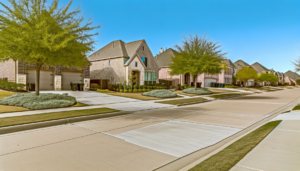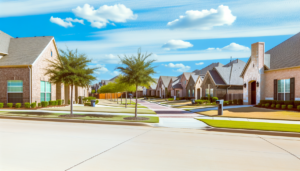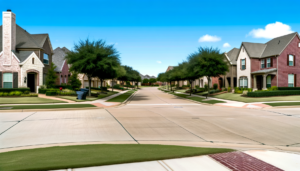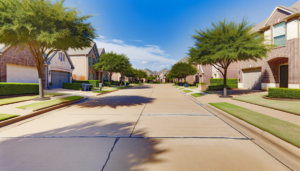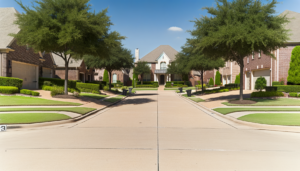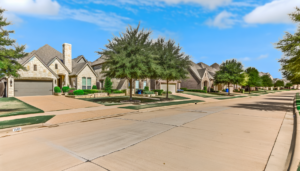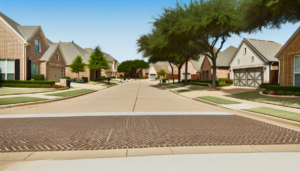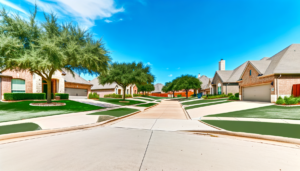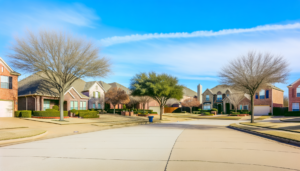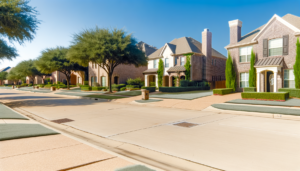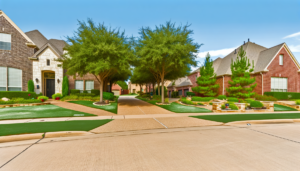
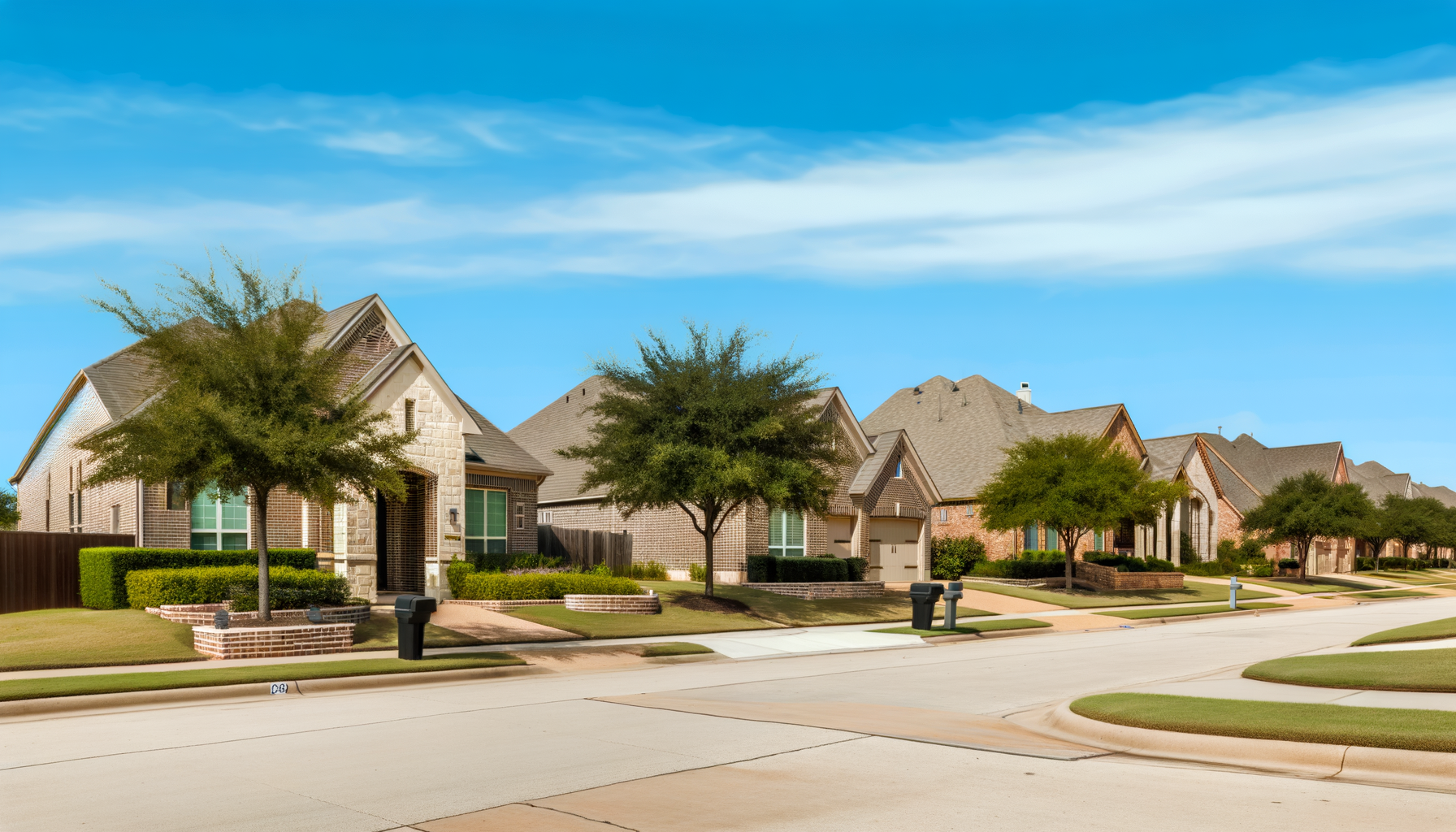
Allen has grown into one of Collin County’s most sought-after communities, and its mix of established neighborhoods and newer developments gives buyers several paths to consider. Choosing where to live often comes down to how you balance location, lot size, and the style of home you want. If you’re beginning your search, reviewing the layout of the Allen neighborhoods will help you narrow down which parts of the city best align with your lifestyle and daily routines.

Buyers drawn to Allen are usually focused on two things: quality construction and convenience. With strong local planning and easy access to major routes leading into Plano and northern Dallas, Allen delivers both newer homes and mature tree-lined neighborhoods. The city’s steady growth has created distinct pockets, each offering a different blend of home age, architectural style, and lot configuration.
What to Know About Allen
Allen sits just north of Plano and continues to attract homebuyers seeking suburban convenience with a defined community structure. The city is organized around a network of large master-planned developments mixed with well-established residential areas. Traffic flow is well-designed, which means daily commutes or weekend errands can be managed without the long wait times you’ll find in some nearby suburbs.
Buyers comparing properties in Allen often weigh three main factors: how close they want to be to major highways, whether they prefer newer construction or mature streets, and the type of community setting they prefer. For example, the west side of Allen, closer to the 75 corridor, features several established neighborhoods with mature landscaping and original architectural details. The eastern edges lean newer, with larger floor plans, open layouts, and more modern design features.
It’s a city where the neighborhood structure matters. Each community tends to have a consistent architectural theme, making it easier for buyers to target areas that fit their expectations. For more detailed maps and local breakdowns, the Allen neighborhood guide is a strong starting point.
Neighborhoods to Consider in Allen
Watters Crossing
Located in west Allen, Watters Crossing is an established neighborhood characterized by brick traditional homes, mature trees, and well-kept streets. Homes here typically reflect late 1990s to early 2000s construction, with classic layouts and functional updates over time. Its central location allows residents to access major routes like US-75 quickly while still enjoying a quieter residential setting.
This part of Allen tends to draw buyers who want an established community feel without sacrificing proximity to retail and business centers. The neighborhood’s layout includes meandering streets and green space designed with walkability in mind, which gives it a cohesive atmosphere and strong curb appeal.
Twin Creeks
Twin Creeks is one of Allen’s most recognized master-planned communities, notable for its consistent architectural quality and well-maintained landscaping. The area spans multiple phases, which means buyers can find both custom homes on larger lots and more recent developments with modern finishes. It sits strategically west of central Allen, which contributes to convenient access for both local commutes and weekend activities.
Homebuyers here often value the variety in home size and style. Some custom sections feature expansive floor plans with brick and stone exteriors, while others focus on efficiency and manageable lot sizes. The community’s planning makes it easy for residents to navigate, with streets designed to minimize through-traffic while maintaining accessibility.
Starcreek
The Starcreek neighborhood sits along Allen’s southern edge near the major retail corridor and regional roads leading into Plano. Homes here are newer, often built in the mid-2000s through the 2010s, and emphasize open-concept layouts and refined design finishes. This area tends to attract those seeking contemporary style and quick highway access.
Buyers comparing Starcreek to older parts of Allen typically notice the modern exterior styling—stone and stucco details, larger kitchens, and flexible bonus rooms. Its location makes it a good match for those who like Allen’s suburban character but want to remain in close reach of business centers to the south.
Ridgeview Crossing
Ridgeview Crossing sits on the northern edge of Allen and represents one of the city’s more recent developments. Homes here are newer construction—often with upscale finishes and energy-efficient features—which tend to appeal to buyers who prefer modern builds over remodeling older properties. The streetscape is clean and uniform, showing the careful attention paid during the planning stage.
Because Ridgeview Crossing was built with later development standards, lot layouts are more efficient. It’s a good fit for buyers who want newer design trends and minimal maintenance, with convenient access to both Allen’s core retail area and neighboring cities to the north.
Montgomery Farm Estates
Montgomery Farm Estates represents one of the more distinctive areas in Allen, known for modern architecture and large well-appointed homes. The neighborhood showcases a cohesive design philosophy and is located just west of Allen’s main retail and dining areas, providing convenient access while maintaining a sense of separation from the busiest corridors.
Homes here are often custom-designed with upgraded materials, clean contemporary lines, and energy-efficient construction methods. Buyers interested in design-forward architecture typically include Montgomery Farm Estates on their shortlist when evaluating Allen’s higher-end options.
How to Choose the Right Area in Allen
Narrowing down neighborhood choices in Allen comes down to how you prioritize age of construction, location, and overall character. Established areas like Watters Crossing offer mature streetscapes and traditional layouts, while communities like Ridgeview Crossing and Montgomery Farm Estates deliver new construction with more advanced materials and designs.
The west side of Allen provides easier highway access for those commuting toward Plano or Dallas, while the eastern and northern portions offer quieter settings and newer inventory. Buyers relocating from urban areas often appreciate how Allen’s planning keeps retail and residential zones distinct, creating clear neighborhood boundaries and predictable traffic flow.
Each neighborhood reflects a specific type of buyer—some prefer small-lot efficiency, others seek larger properties with detailed architecture. Aligning those preferences with location and commute priorities usually determines which Allen neighborhood fits best.
Final Thoughts on Allen
Allen continues to evolve, balancing established neighborhoods with carefully planned new developments. Buyers who take the time to understand the distinctions between areas—such as the differences between west-side master-planned communities and newer northern sections—tend to make more confident investment decisions. For more local details, updated neighborhood data, and housing trends, revisit the Allen community guide.
About Dustin Pitts | Allen Real Estate Agent
As a local Realtor with experience across Collin County, Dustin Pitts provides personal, data-based support for buyers and sellers. If you’re considering buying or selling in Allen, Dustin’s approach focuses on comparing real property values across neighborhoods and navigating multiple-offer situations with a clear, client-focused strategy.
His background in Dallas-area real estate gives him a deep understanding of how Allen fits into the larger Collin County market—whether you’re targeting a newer community like Starcreek or an established area like Watters Crossing, his guidance helps ensure your move aligns with both financial and lifestyle goals.
Ready to take the next step? For tailored advice and neighborhood insight specific to Allen properties, reach out for expert real estate help in Allen today.