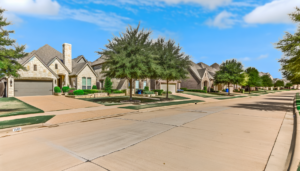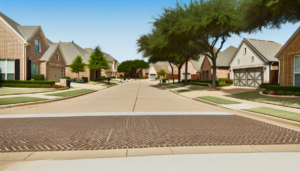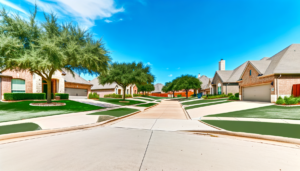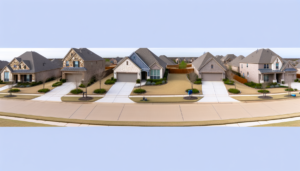
Trying to balance location, value, and lifestyle when home shopping in Allen takes more than a quick drive through town. This city has a range of established and newer subdivisions with different sizes, designs, and long-term maintenance expectations. If you’re exploring your options, understanding which communities deliver the best combination of affordability and livability can shape your home search. For more insight into how neighborhoods compare across the area, start with the Allen neighborhoods guide for an overview of the city layout and housing trends.

Allen sits along U.S. 75 just north of Plano and has a mix of early-1990s developments and newer planned communities. Affordable homes here typically show up in established neighborhoods with mature trees, manageable HOA dues, and efficient access to local retail. For buyers who want a reasonable price without giving up community amenities or accessibility, several Allen neighborhoods stand out.
What to Know About Allen
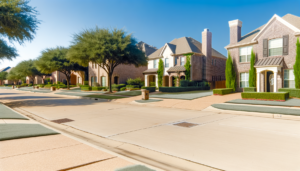
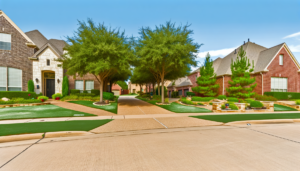
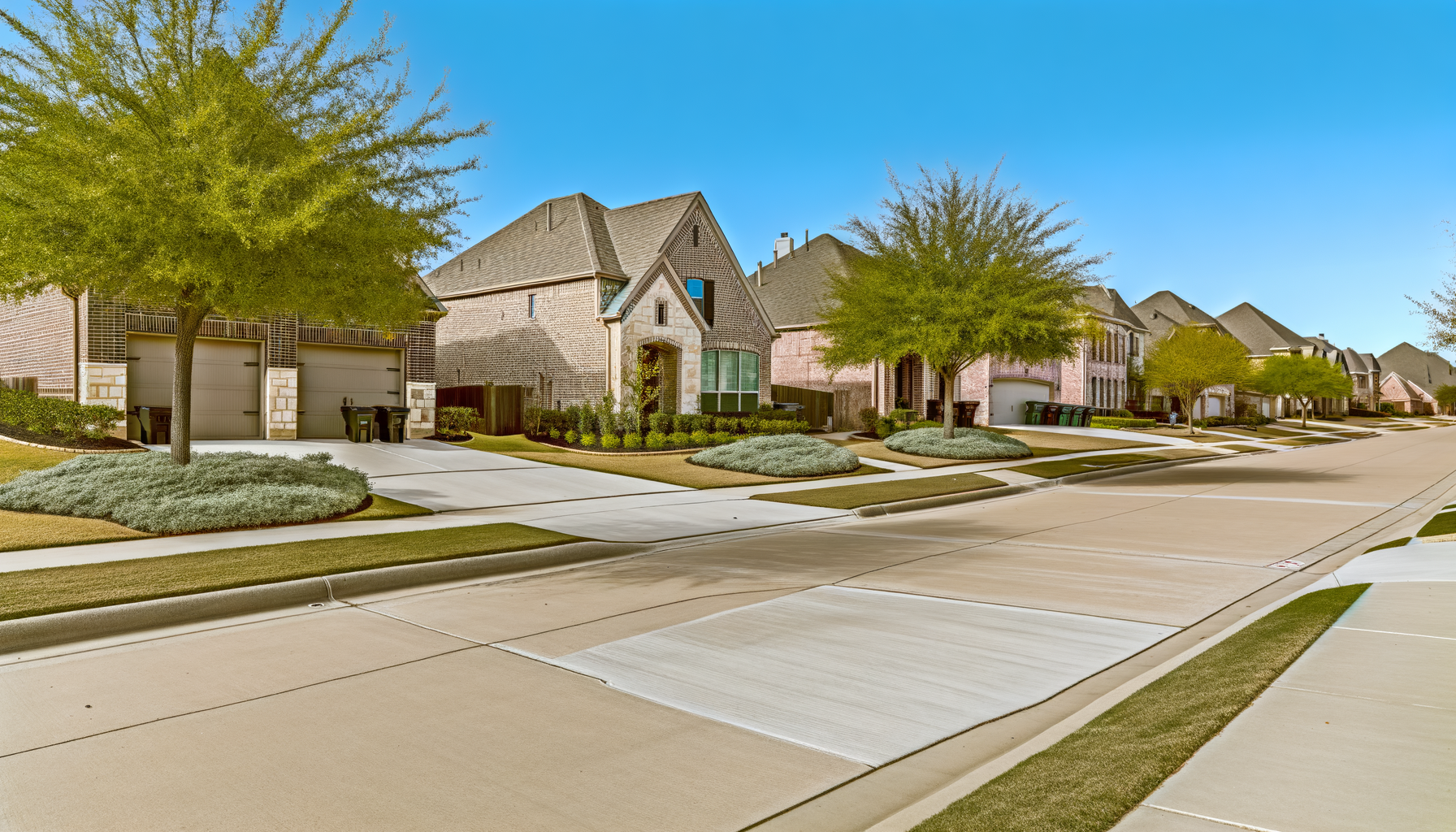
Allen’s early growth started west of U.S. 75, and you can still see the difference between those original subdivisions and the larger, HOA-managed communities to the east. The west side offers shorter drives to the highway and properties built before 2000, often with bigger trees and custom touches. The east side tends to feature newer floorplans, more uniform streetscapes, and additional amenities like walking paths and greenbelts.
Buyers evaluating affordability in Allen often weigh the cost of home updates against newer construction premiums. In some areas, a well-maintained resale may deliver more value than moving into a brand-new build with a smaller lot. Understanding those tradeoffs across Allen’s communities helps narrow which part of the city makes the most sense for your budget and lifestyle. You can learn more about these distinctions in the full Allen housing overview.
Neighborhoods to Consider in Allen
Watters Crossing
Located west of U.S. 75, Watters Crossing is one of Allen’s more established master-planned communities. The neighborhood is known for its brick traditional homes, shaded streets, and proximity to southern retail corridors. Many homes here were built during Allen’s growth in the mid to late 1990s, which means solid construction paired with mature landscaping. Buyers who want to stay near shopping, dining, and easy highway access often find Watters Crossing a balanced option.
Watters Crossing homes typically sit on moderate-sized lots, which helps keep property maintenance predictable. The HOA maintains neighborhood amenities, and resale prices often come in under newer builds east of Greenville Avenue, offering solid value for central Allen.
Summerfield
Summerfield sits just north of Main Street, making it convenient to both central Allen and nearby parks. This area features brick homes built mainly in the early 2000s and tends to appeal to buyers who want relatively modern floor plans without moving into one of the newer and more expensive east side developments. The lots are efficiently sized, and most properties have two-car garages and open living spaces.
The community design emphasizes accessibility, with low-traffic streets and quick routes to key roads. For buyers who want newer construction than west Allen provides but don’t need the extras of the city’s largest planned communities, Summerfield often strikes the right middle ground.
Quail Run
Quail Run is an older section of Allen located not far from the original town core. Homes here typically date to the late 1980s and early 1990s, with single-story and split-level designs being common. Buyers looking to keep the purchase price modest sometimes target Quail Run because these homes require occasional updating but often include larger yards than new developments.
The area provides an established neighborhood feel with quick access to major routes heading south toward Plano or north toward McKinney. Because the lots tend to be wider and the community has fewer HOA regulations, Quail Run appeals to those who prefer flexibility in landscaping and exterior design choices.
Lost Creek Ranch
Lost Creek Ranch lies east of U.S. 75 and contains primarily mid-2000s homes. The area’s affordability comes from its balance of newer construction with manageable homeowners’ association costs. Houses here lean toward brick facades with open layouts, suitable for buyers who prefer move-in-ready spaces without paying for brand-new builds.
Because of its position near Exchange Parkway, Lost Creek Ranch offers straightforward access to east Allen’s parks and trails. The community’s consistent property designs help maintain long-term value, and its location makes it convenient for those commuting toward Plano or McKinney business centers.
Cumberland Crossing
Cumberland Crossing represents one of the city’s later additions before construction pushed farther east. Homes are generally newer and larger than those in nearby west-side communities, but prices remain reasonable compared to similar-sized properties closer to the Dallas tollways. Homebuyers seeking more recent construction and energy-efficient features often find Cumberland Crossing appealing, particularly if they want to avoid premium HOA costs tied to luxury developments.
Its access to major east-west roads allows for easy movement through Allen, and the neighborhood maintains a consistent aesthetic that helps preserve resale appeal. Cumberland Crossing suits buyers ready to invest in a newer home but still watching the bottom line carefully.
How to Choose the Right Area in Allen
When comparing these neighborhoods, start with the type of home you prefer—single-story ranch, two-story traditional, or newer open-concept layouts—and match that with your tolerance for maintenance and remodeling. Older parts of Allen like Quail Run may allow for more customization, while areas like Summerfield or Lost Creek Ranch deliver more standardized, modern plans.
Location also influences daily routine. West Allen locations tend to provide shorter commutes toward Dallas, while east Allen areas often feature more recent development patterns and additional green space. Price differences between east and west can reflect both age and lot size, so reviewing past resale trends in specific neighborhoods helps clarify which side of town fits your goals.
Finally, consider long-term upkeep. HOA-managed communities maintain consistent appearances, which can protect property values, but they also come with added fees. Non-HOA neighborhoods usually carry lower fixed costs but place more responsibility on each homeowner. Aligning these factors with budget and lifestyle will point you toward the right pocket within Allen.
Final Thoughts on Allen
Allen continues to attract buyers who value access to major employers while maintaining suburban space. The key is evaluating established communities alongside newer phases to find the sweet spot of condition, location, and affordability. Exploring the Allen neighborhoods page can help you compare these tradeoffs before touring homes in person.
About Dustin Pitts | Allen Real Estate Agent
As a local agent focused on buying or selling in Allen, Dustin Pitts has guided many clients through evaluating older resales versus newer construction in neighboring developments. His knowledge of property patterns, HOA considerations, and resale strategies helps buyers identify lasting value without overpaying for community amenities they may not need.
Dustin’s experience comes from years of working with sellers preparing homes for market and buyers looking for practical choices across multiple North Dallas suburbs. That understanding of how price, design, and upkeep intersect allows him to help clients make confident, informed decisions about where to buy in Allen.
Ready to explore available listings and compare your options? Get expert insights from an experienced local who knows how to find value across every corner of the city. Contact Dustin Pitts today for real estate help in Allen and start mapping the right move for your budget and goals.