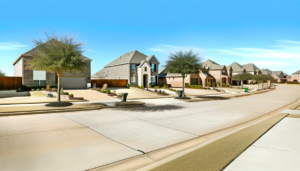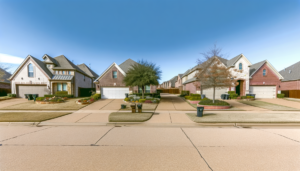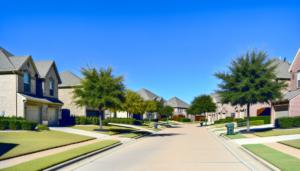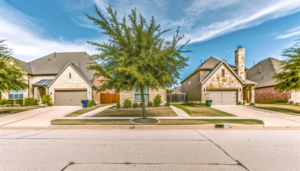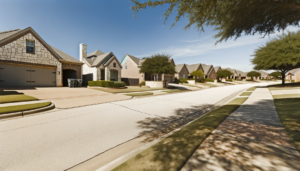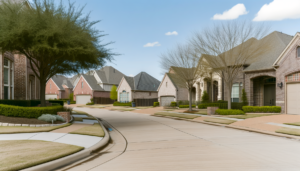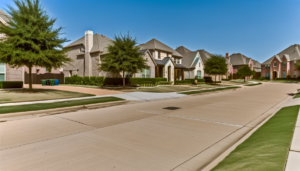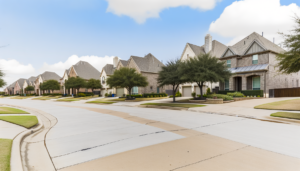
Historic housing in McKinney gives buyers a rare mix of period architecture and established community character that’s not easy to find in newer Dallas suburbs. From preserved districts around downtown to planned communities that intentionally evoke earlier designs, McKinney has distinct options for anyone drawn to classic details and mature landscaping. Understanding how these older neighborhoods differ can help you narrow down where to focus your search. For an overview of the area and its layout, you can start by exploring McKinney’s neighborhood guide.

While much of the city has grown around modern development west of Highway 75, sections closer to the original town center and early master-planned communities still hold some of the most architecturally rich streets in Collin County. Buyers choosing historic or historically influenced neighborhoods in McKinney often balance the appeal of unique homes with factors like renovation level, lot size, and access to major commuter routes. That mix defines why McKinney continues to attract people looking for both history and functionality in a suburban setting.
What to Know About McKinney
McKinney’s history as a trading and agricultural town still shapes its street grid and housing stock today. The downtown area, with its early 1900s commercial buildings and surrounding Craftsman and Victorian homes, set the tone for later neighborhoods that followed similar design principles—front porches, tree-lined streets, and defined community layouts. West of Highway 75, development evolved with larger homes and planned amenities while aiming to keep that traditional feel.
The city’s growth has moved outward in phases, so older neighborhoods often sit closer to Highway 5 and the downtown corridor, while those developed after the 1990s extend toward Custer Road and beyond. Buyers typically weigh proximity to historic downtown against access to modern conveniences in west McKinney. Many homes in these older sections have been renovated, though maintaining original woodwork or period facades can add maintenance considerations. The city has done considerable work to preserve this variety, giving residents a broad set of architectural eras to explore.
Neighborhoods to Consider in McKinney
Village of Eldorado
The Village of Eldorado sits near the heart of west McKinney and blends traditional design with established landscaping. Built largely during the late 20th century, it reflects a transitional era—the homes feature brick exteriors, mature trees, and layout patterns that fit between classic suburban and newer master-planned styles. Buyers drawn here often appreciate the solid construction, recognizable architectural details, and proximity to the original Eldorado Country Club area, which gives the neighborhood a distinctly established character.
Eldorado’s homes vary from larger single-story layouts to two-story brick colonials, and many properties have seen thoughtful updates that preserve original quality. Walking through the community, you’ll find a consistent design rhythm that appeals to those who like traditional curb appeal without venturing too close to downtown traffic. It’s a strong option for buyers who want historical influence without the constant upkeep of century-old properties.
Tucker Hill
Tucker Hill was intentionally designed with a nod to early 20th-century architecture. The streets are patterned after traditional neighborhood grids, with front porches and varied façades that mirror the older conservation districts closer to downtown. While newer, the development team used architectural codes to ensure cohesive design, so you’ll see Tudor-inspired facades next to Gulf Coast cottages and Colonial-revival styling all in one block. This gives the area a strong historic feel despite being a modern construction community.
For buyers who admire charm and structure but also value energy-efficient systems and lower maintenance, Tucker Hill bridges the gap. The neighborhood’s emphasis on consistent design rules means homes maintain long-term appeal, and its location in north McKinney provides easier highway access than many true historic districts. This appeals to buyers who want timeless design combined with daily practicality.
Hidden Creek
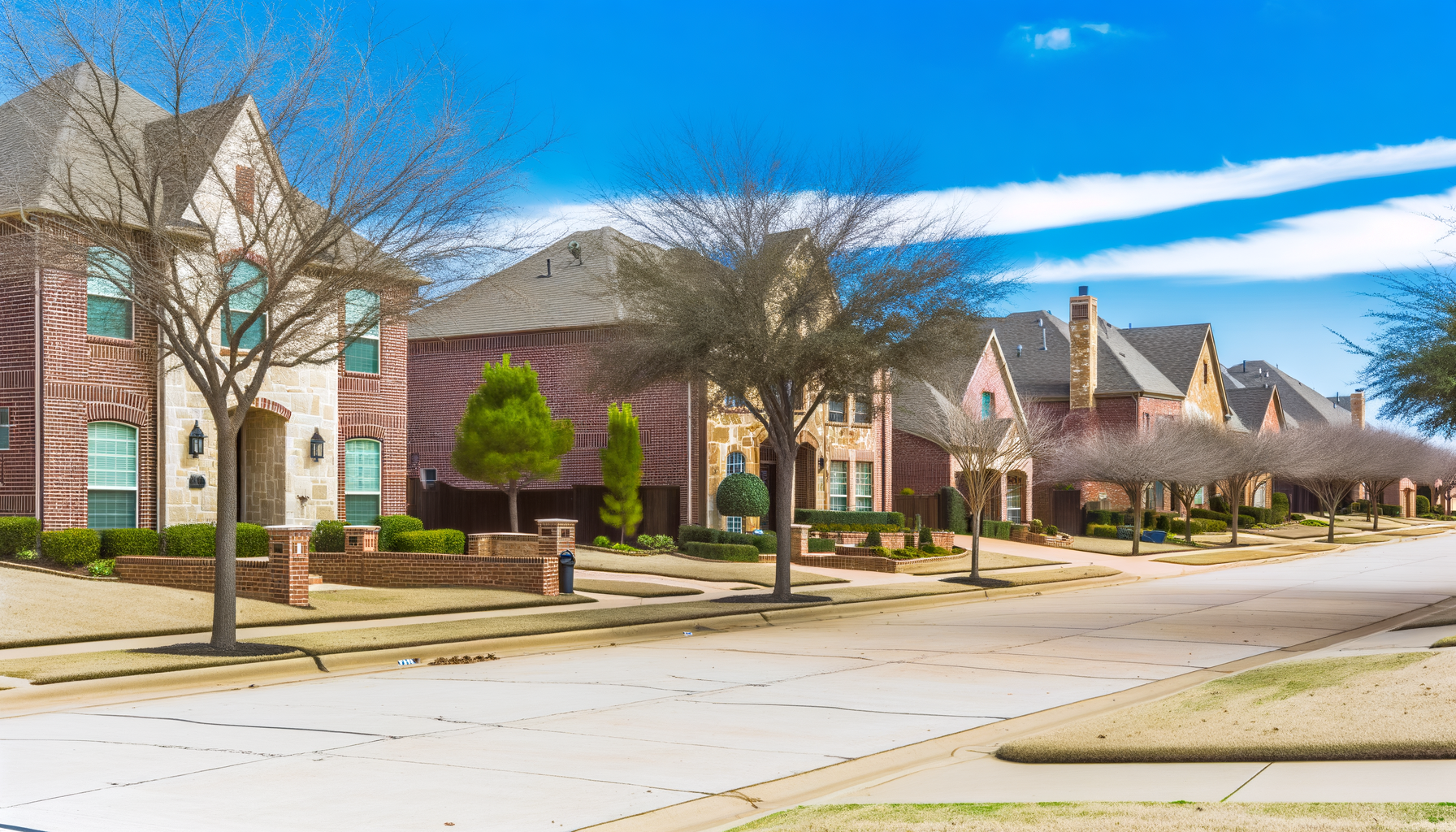
Hidden Creek captures the character of established McKinney while sitting within a quieter pocket east of Highway 75. Many homes here display traditional brick and stonework common to the early 2000s but with floor plans and façades that emulate styles seen in McKinney’s older neighborhoods. Buyers who want a settled community feel but larger footprints than in downtown’s original homes often find Hidden Creek attractive.
The area’s curving streets and mature foliage make it visually distinct from newer grid-style developments. While not historic in age, Hidden Creek reflects McKinney’s design continuity—preserving that classic North Texas aesthetic while providing more contemporary layouts. It’s a strong compromise for those who appreciate the city’s established roots without taking on major restoration projects.
Hickory Hill
Hickory Hill is one of the city’s quieter enclaves, positioned close enough to the central corridor for convenience but set apart by its tree-lined streets and well-maintained traditional homes. The neighborhood features mid-sized lots with long-established houses, many of which integrate classic architectural details like dormer windows and balanced brickwork.
This area appeals to buyers wanting a mature streetscape and a community with a consistent aesthetic character. Because of its central access, Hickory Hill gives residents a straightforward drive to both downtown McKinney and surrounding suburban centers, making it a practical base for those balancing work across Collin County.
Harbor At Adriatica Residental Condo
The Harbor At Adriatica Residental Condo community is part of the Adriatica development, known for its European-inspired architecture that recreates a Mediterranean village aesthetic. While not historic in age, its design cues heavily reference old-world styles, with stone façades, tile roofs, and narrow pedestrian pathways. Buyers often consider it when they want the look and experience of centuries-old architecture without the renovation and structural challenges that come with preserving an actual historic property.
Condos here appeal to those seeking a distinct lifestyle feel in west McKinney, with architecture that stands apart from typical suburban design. It’s particularly relevant for downsizers or buyers who enjoy the look of aged craftsmanship but prefer modern building standards and amenities.
How to Choose the Right Area in McKinney
When comparing historic and historically influenced neighborhoods across McKinney, the main tradeoffs often involve home age, maintenance expectations, and location within the city. True historic homes near downtown carry distinctive details and walkable settings but can require extensive upkeep. Newer communities that reference traditional styles offer the look without the maintenance—though they can lack the deep-rooted authenticity of original structures.
Lot sizes also change significantly from area to area. Closer to central McKinney, you’ll see smaller lots and tighter spacing, while west and north McKinney communities feature larger parcels and newer infrastructure. Buyers deciding between these settings should consider whether they value the character of older homes or the convenience of newer construction. Reviewing listings on the McKinney neighborhood page can help visualize how these options differ in practice.
Final Thoughts on McKinney
McKinney’s mix of preserved districts and modern developments modeled after historic forms gives buyers unusual flexibility in Collin County. Whether you’re drawn to established areas like Village of Eldorado or newer interpretations such as Tucker Hill, understanding the city’s evolution helps narrow your choices to what fits both lifestyle and maintenance comfort levels.
Taking time to tour several sections of McKinney provides real context on how architecture, lot pattern, and community planning vary from east to west. This step helps ensure your decision connects both with your design preferences and your long-term priorities.
About Dustin Pitts | McKinney Real Estate Agent
As a local Realtor who works extensively throughout Collin County, Dustin Pitts provides focused guidance for buyers and sellers evaluating historic and traditional neighborhoods. If you need expert help buying or selling in McKinney, Dustin brings hands-on knowledge of how the city’s housing stock and development timeline impact value and livability.
Dustin’s experience covers everything from downtown’s early 20th-century homes to west side master-planned communities, helping clients match property style with practical goals. His approach centers on local insight, long-term client relationships, and straightforward advice on maximizing value when entering or exiting the McKinney market.
If you’re preparing to move or sell in this part of Collin County, connect with a professional who knows both the historic and modern sides of the market. Reach out today for personalized real estate help in McKinney to start planning your next step with clarity and confidence.