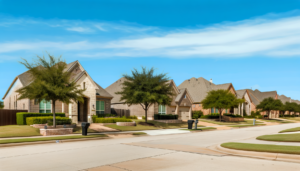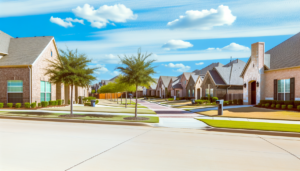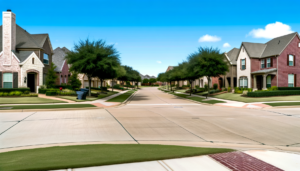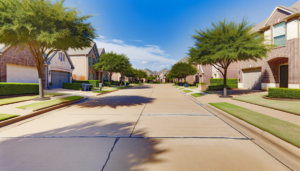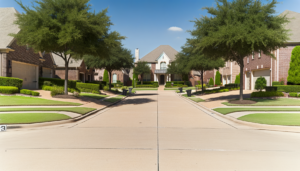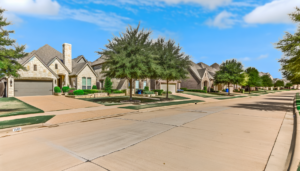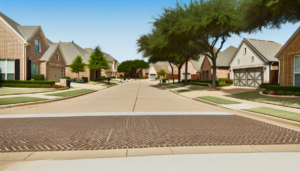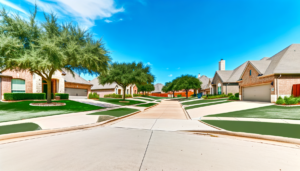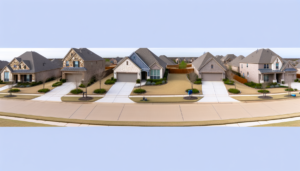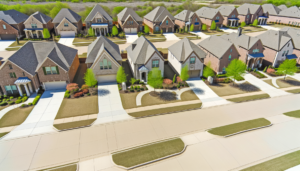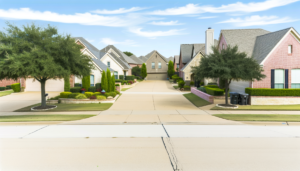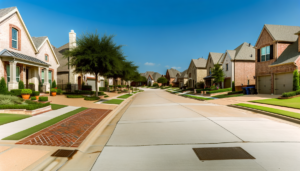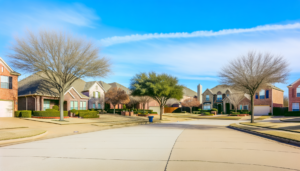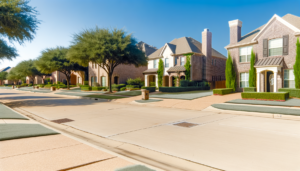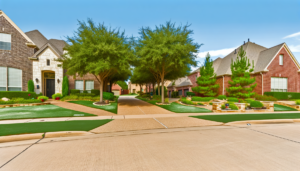
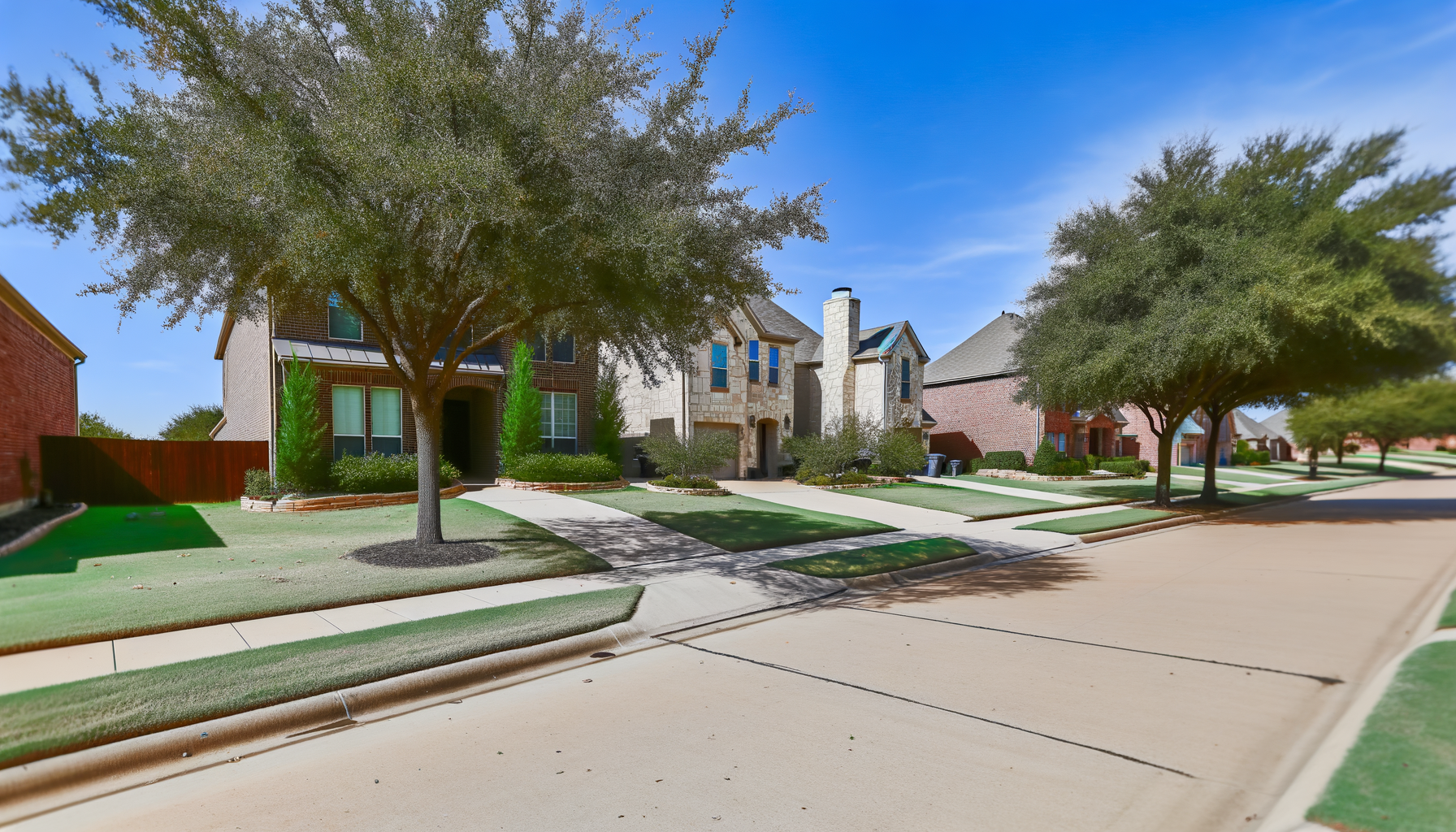
Allen’s neighborhoods each offer a distinct feel, layout, and mix of homes, which makes it important to compare areas side by side before deciding where to focus your search. Whether you’re evaluating mature subdivisions with tree-lined streets or newer developments with modern plans and community amenities, understanding how each corner of the city fits together will help you make a confident move. You can explore more details about the city on the Allen neighborhoods page for a broader view of what’s available.

As a buyer or seller, you’ll find that some parts of Allen emphasize convenience and access to major routes, while others appeal to those who prioritize established community settings or newer construction. This guide outlines several key neighborhoods that illustrate the range of choices within Allen. Each section focuses on what differentiates these areas and why certain buyers are drawn to them.
What to Know About Allen
Allen is laid out with several core corridors radiating from US-75 and SH-121, providing quick connectivity to Plano, McKinney, and the broader North Dallas corridor. The city’s development pattern is balanced between well-established neighborhoods built in the 1990s and early 2000s, and newer master-planned communities that have taken shape in the past decade. Buyers often evaluate Allen by weighing age of housing stock, lot sizes, and proximity to retail and recreation rather than focusing solely on size or price range.
The western parts of the city—closer to Custer Road and Alma Drive—tend to feature more mature subdivisions, while new construction has expanded primarily toward the north and east. Parks and trail systems are integrated throughout, which has influenced how builders designed neighborhoods with green space and community connections in mind. Many subdivisions include active homeowner associations and shared amenities, so understanding what’s included versus optional can be key when comparing options.
Overall, Allen appeals to buyers seeking a blend of established community character and the convenience of newer developments. The city’s moderate size creates an easy balance—big enough to offer numerous housing styles, yet compact enough that no neighborhood feels far from major amenities or employment centers.
Neighborhoods to Consider in Allen
Watters Crossing
Watters Crossing is one of Allen’s most recognized established neighborhoods, built primarily in the 1990s. Homes here often feature traditional architecture with brick exteriors, mature landscaping, and tree-lined streets that have had decades to fill in. It’s positioned conveniently near US-75, giving residents quick access to retail and dining at Watters Creek but with a more residential feel off the main roads.
The neighborhood’s layout emphasizes wide streets and community gathering spaces, and many homes back to greenbelts or small ponds. Buyers who appreciate the stability of a well-managed association and consistent home styles usually find Watters Crossing appealing. It balances the predictability of a long-established subdivision with the ongoing upkeep that keeps curb appeal high.
Twin Creeks
Twin Creeks is known for its size and variety of home types. It includes custom home pockets as well as sections of production-built homes, all connected by winding roads and large green spaces. Homes generally sit on larger lots compared to many newer developments, and you’ll see architectural diversity ranging from brick traditional to more transitional designs built in later phases.
Its central location within Allen gives residents quick access to major thoroughfares without being too close to heavy traffic corridors. For buyers prioritizing neighborhood amenities, Twin Creeks stands out among Allen subdivisions for its community spaces and long-term reputation. Sellers here often benefit from name recognition when listing a home—buyers coming into Allen know this neighborhood by reputation first.
Suncreek
Suncreek offers an established but still evolving environment along Alma Drive, with homes built primarily between the late 1990s and early 2000s. The area is defined by mature landscaping and the scenic creek areas that weave through parts of the neighborhood. Its layout includes cul-de-sacs and curving side streets that cut down on through traffic, which many buyers see as a positive for day-to-day living.
Suncreek appeals to those who prefer traditional brick architecture and the consistency of an older master-planned design. The homes often include spacious interiors and private yards, and the neighborhood’s proximity to major retail areas enhances its convenience. Buyers comparing Suncreek to newer developments typically weigh its established look and central location against more recently built options farther north.
Starcreek
Starcreek, located along SH-121, represents Allen’s newer generation of planned communities. Built mostly in the late 2000s through 2010s, homes here feature modern floor plans, higher ceilings, and open-concept layouts typical of the era. Many properties sit on mid-size lots with stone and brick elevations that give the streetscape a cohesive, upscale look.
Buyers drawn to Starcreek are often those who value quick highway access toward Plano, Frisco, or the broader corporate corridor to the west. It’s also one of Allen’s few neighborhoods that maintains a strong sense of uniform design maturity despite still being relatively new. Compared to older developments closer to downtown Allen, Starcreek tends to attract buyers looking for turnkey condition homes with minimal upfront updating needed.
Ridgeview Crossing
Ridgeview Crossing is one of Allen’s more recent communities, with construction primarily completed in the late 2010s and early 2020s. Situated near the northern border of the city, it provides newer-construction homes without extending too far from central amenities. The neighborhood was designed with contemporary standards in mind—open layouts, energy-efficient materials, and modern finishes throughout.
This community especially appeals to buyers who want newer homes but prefer the established infrastructure of Allen instead of moving into neighboring cities to the north. The finishes, elevation styles, and lot sizes reflect current market trends, and resale inventory often moves quickly due to the limited supply of late-decade builds within Allen proper.
Montgomery Farm Estates
Montgomery Farm Estates showcases a thoughtful blend of new construction and established home sites framed by extensive green space. This area was developed with attention to natural surroundings, and its architectural guidelines emphasize design cohesion. Homes typically incorporate stone and stucco exteriors with higher-end finishes and custom layouts.
Buyers often compare Montgomery Farm Estates with Starcreek or Ridgeview Crossing, noting its more secluded interior streets and the overall quality of construction. The neighborhood appeals to those prioritizing aesthetic appeal and architectural consistency. Its location on the west side of Allen also allows easy access to nearby shops and major roadways without feeling heavily suburban or dense.
How to Choose the Right Area in Allen
Selecting a neighborhood in Allen often starts with identifying the balance between home age and location. Buyers leaning toward traditional architecture and larger yards frequently start their search in Watters Crossing, Twin Creeks, or Suncreek. Those seeking newer homes with modern layouts typically look to Starcreek, Ridgeview Crossing, or Montgomery Farm Estates. Each area carries its own rhythm—older subdivisions offer established landscaping and consistent street appeal, while newer ones focus on open interiors and planned community amenities.
Commuting access can also be a decisive factor. Proximity to US-75 shortens drive times south toward Plano or Dallas, while neighborhoods closer to SH-121 provide a faster route west toward Frisco and The Colony. Buyers who prefer quieter interior locations often look slightly away from the highway corridors, accepting a few extra minutes of drive time in exchange for less traffic at the neighborhood entrances.
Lot size and home design are additional details that often tip the decision. Some buyers find that larger but older homes meet their needs better than smaller new builds. Others value energy efficiency and updated construction enough to sacrifice a bit of lot depth. Understanding these tradeoffs ahead of time can make the search process more focused when comparing specific Allen neighborhoods.
Final Thoughts on Allen
Allen offers a mix of established and newer neighborhoods that appeal to different buyer priorities. Rather than viewing the city as one uniform market, it’s helpful to evaluate how each subdivision fits your preferences for home style, maintenance level, and daily convenience. Reviewing detailed neighborhood profiles on the Allen neighborhoods page can help clarify which areas align best with your plans.
About Dustin Pitts | Allen Real Estate Agent
Dustin Pitts is a Dallas-area real estate agent serving Allen and surrounding suburbs, offering guidance based on real transaction experience across many of the city’s most active neighborhoods. His approach focuses on practical detail—helping clients understand how different parts of Allen vary in layout, housing style, and long-term value potential.
With hands-on knowledge from working with both buyers and sellers in Allen, Dustin provides insight that goes beyond listings. He helps clients spot the subtle factors that make a home attractive in this market and leads negotiations with a clear understanding of how each community performs over time.
Ready to find your next home or prepare your property for sale in Allen? Contact Dustin Pitts to discuss your plans and start developing the right strategy for your move.