Deciding whether to move to Allen, Texas often comes down to balancing location advantages with a realistic view of daily life. Allen is part of the North Dallas corridor that has grown steadily over the past two decades, attracting buyers who want suburban latitude with relatively easy access to Plano, McKinney, and the broader DFW business hubs. While the city’s well-planned neighborhoods and retail centers have broad appeal, understanding its layout, traffic, and housing supply helps you gauge whether Allen fits your long-term goals.

As a Realtor who has worked across the Collin County area for years, I often guide buyers comparing Allen with nearby Frisco or McKinney. Each has its own rhythm, but Allen’s balance of established communities, organized infrastructure, and ongoing growth make it a top contender. This guide looks at the advantages and downsides of living in Allen so you can assess whether a move here aligns with your lifestyle and investment priorities.
What It’s Like Living in Allen
Allen has a clean, master-planned feel with many neighborhoods built around greenbelts, trails, and planned commercial nodes. The city’s core neighborhoods date back to the 1990s and early 2000s, with newer developments expanding eastward. Main thoroughfares like Bethany Drive and Stacy Road carry daily traffic between residential zones and shopping centers, so being near key intersections can mean more convenience but also more traffic volume.
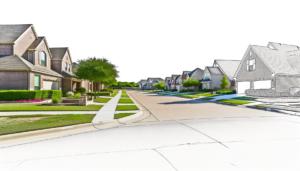
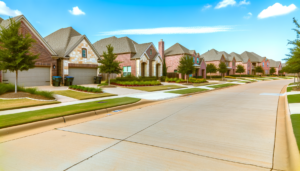
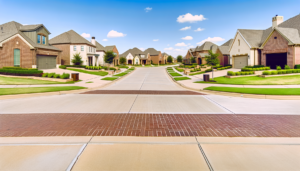
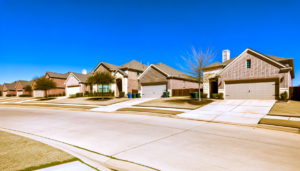
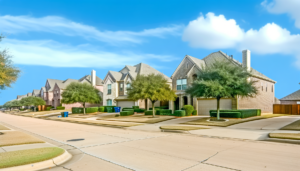
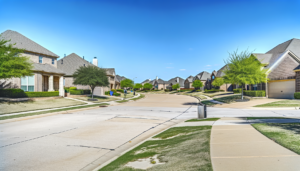
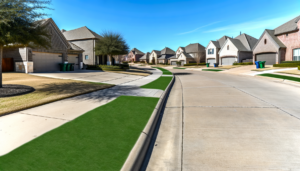
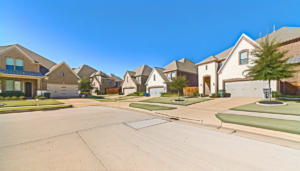
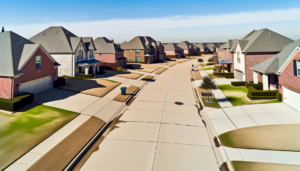
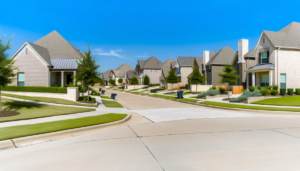
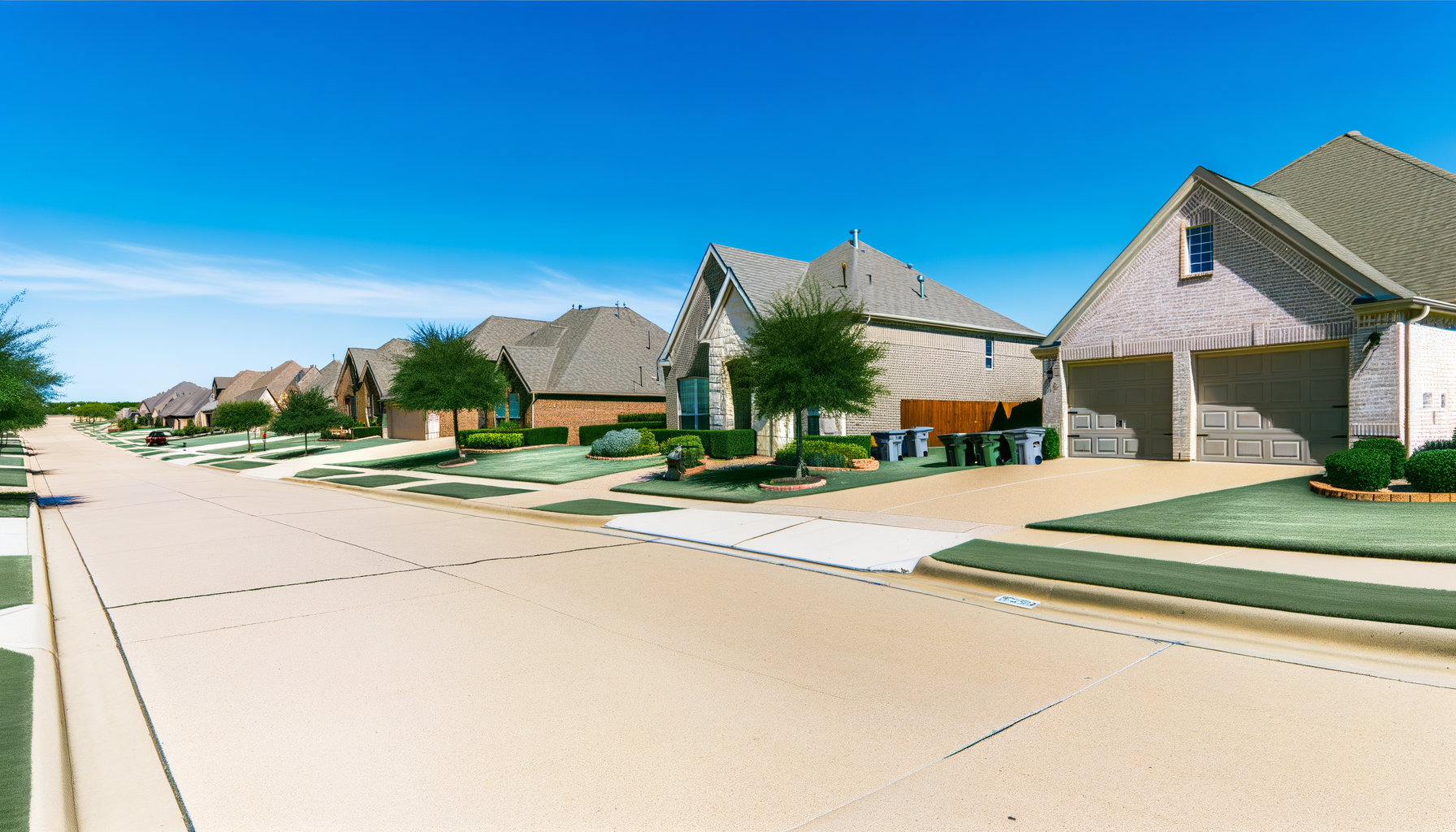
Most of Allen’s residential streets are buffered from main roads, giving many areas a quieter character. You’ll find a mix of single-family homes, townhomes, and a few newer mixed-use developments closer to the Highway 75 corridor. The city’s public spaces are well maintained, and local planning favors walkable paths, which many residents value. The tradeoff is that certain pockets see more congestion during peak hours, especially near major retail corridors.
Pros of Living in Allen
Allen offers tangible advantages that draw consistent interest from buyers relocating to North Dallas.
- Accessible location with direct routes to Plano, McKinney, and north Dallas business centers
- Established neighborhoods with mature trees and consistent aesthetic standards
- Diverse retail and dining around Stacy Road, US-75, and Exchange Parkway
- Community-oriented parks, trails, and city-maintained recreation areas
- Well-managed city services and infrastructure planning
For many clients, one of Allen’s greatest strengths is its infrastructure. Streets are generally in good condition, and city planning has stayed ahead of population growth compared to some nearby suburbs. The mature neighborhoods west of US-75 tend to have larger lots and established trees, giving them a stable, settled feel. Buyers who appreciate a balance between suburban privacy and urban convenience often find Allen fits that niche well.
Cons of Living in Allen
No suburb fits every buyer, and understanding Allen’s tradeoffs helps you set expectations early in your search.
- Increasing home prices as available land for new development becomes limited
- Rush-hour traffic congestion along US-75 and major east-west corridors
- Fewer new-construction neighborhoods compared to outer suburbs like Melissa or Princeton
- Limited public transit options within city limits
- Higher property taxes relative to some nearby rural areas
As Allen grows, affordability has tightened, especially for buyers seeking larger homes under specific price thresholds. Land scarcity means new builds often come with smaller yards or higher prices per square foot. Commuters heading south toward Plano or Dallas should also factor in peak-hour delays along US-75. None of these challenges are dealbreakers for most residents, but they are key considerations if you expect long daily drives or want a newer property without stretching your budget.
Housing and Neighborhood Options in Allen
Allen’s housing market is diverse but leans toward established subdivisions with consistent styling and strong maintenance standards. On the west side, Twin Creeks is one of the city’s best-known master-planned communities. It features tree-lined streets and neighborhood amenities that contribute to its long-term appeal. Buyers often choose Twin Creeks for its larger home sizes and proximity to golf and recreation spaces.
Closer to McDermott Drive, Watters Crossing has an established residential setting with distinct architectural consistency and accessible walking paths. The area benefits from its proximity to Hwy 75 and major retail while maintaining a neighborhood feel. On the east side, Lost Creek Ranch features slightly newer homes with planned common areas, appealing to buyers who value lower maintenance and newer construction elements.
Each section of Allen brings a different living experience. West Allen is generally closer to commercial conveniences and mature landscaping, while east Allen continues to see moderate expansion. Checking architectural guidelines, HOA structures, and build quality differences helps buyers narrow their options effectively. You can explore more local neighborhoods through the dedicated Allen neighborhoods guide for added detail.
Cost Versus Value in Allen
Allen’s prices reflect its desirability and limited new land supply. While buyers may pay more compared to some outlying suburbs, that cost usually correlates with community upkeep, infrastructure quality, and stable home values. Resale demand remains solid because existing neighborhoods rarely lose appeal even as newer areas open nearby.
For sellers, the consistent demand supports pricing power when homes are well maintained. Buyers should evaluate cost not just by square footage but by neighborhood continuity and access to retail and major corridors. A slightly higher purchase price in a stronger location often yields better long-term stability. When viewed against comparable suburbs, Allen frequently strikes a favorable cost-to-value ratio for buyers seeking balance rather than bargain pricing.
Who Should Consider Living in Allen
Allen fits buyers seeking an established suburban environment with predictable maintenance, strong infrastructure, and manageable access to major employment corridors. If you prefer mature neighborhoods and don’t need to be in the newest master-planned enclave, Allen checks many boxes. It especially suits those prioritizing day-to-day convenience, structured community planning, and consistent property values over raw affordability.
On the other hand, buyers chasing larger estate lots or wide-open semi-rural settings may find better matches farther north. Similarly, if commute time to downtown Dallas is your top concern, suburbs closer to the city core might be more practical. For most, the decision depends on whether you value an established suburban base or want to be on DFW’s growth edge.
About Dustin Pitts | Allen Real Estate Agent
As a local Realtor, I’ve helped hundreds of clients with buying or selling in Allen, guiding them through tradeoffs between established west-side neighborhoods and developing eastern corridors. My advice is grounded in on-the-ground experience, not just listings — understanding how different parts of Allen perform over time puts clients in a stronger negotiating position.
If you’re weighing whether Allen fits your long-term goals, I can help you evaluate specific neighborhoods, resale potential, and lifestyle factors before you commit. Every client’s priorities differ, and clarity early in the process helps you avoid unnecessary compromises.
Ready to explore your move or sale in Allen? Let’s talk about your goals and develop a customized plan. You can reach out directly for real estate help in Allen when you’re ready to get started.