Choosing whether to make McKinney your new home involves more than just liking how a house looks — you need to understand how the city functions day to day. Buyers relocating from other Dallas suburbs often compare McKinney’s layout, character, and price stability before deciding. This guide breaks down what living in McKinney truly feels like, including realistic pros and cons and how different parts of the city shape the experience.

If you’re considering a move here, it helps to approach McKinney as a distinct market within the broader Collin County corridor. While it draws from Dallas-Fort Worth’s growth, McKinney maintains its own downtown core and layered mix of new master‑planned communities and established neighborhoods. That contrast gives buyers flexibility — but also forces some tradeoffs that are worth understanding before you settle on a specific location.
What It’s Like Living in McKinney
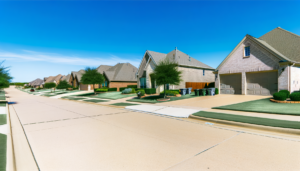
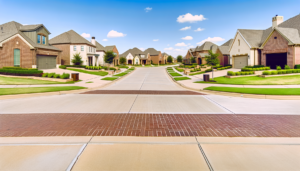
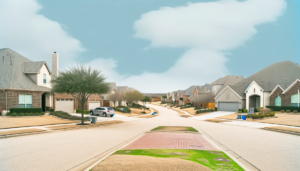
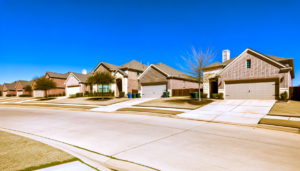
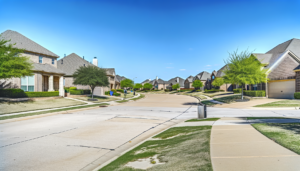
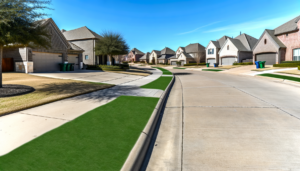
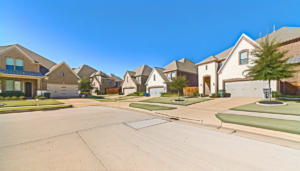
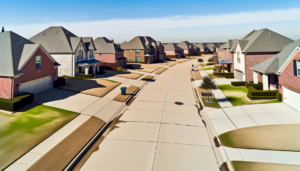
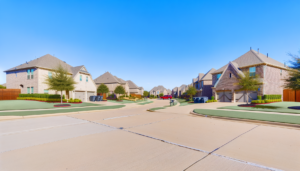
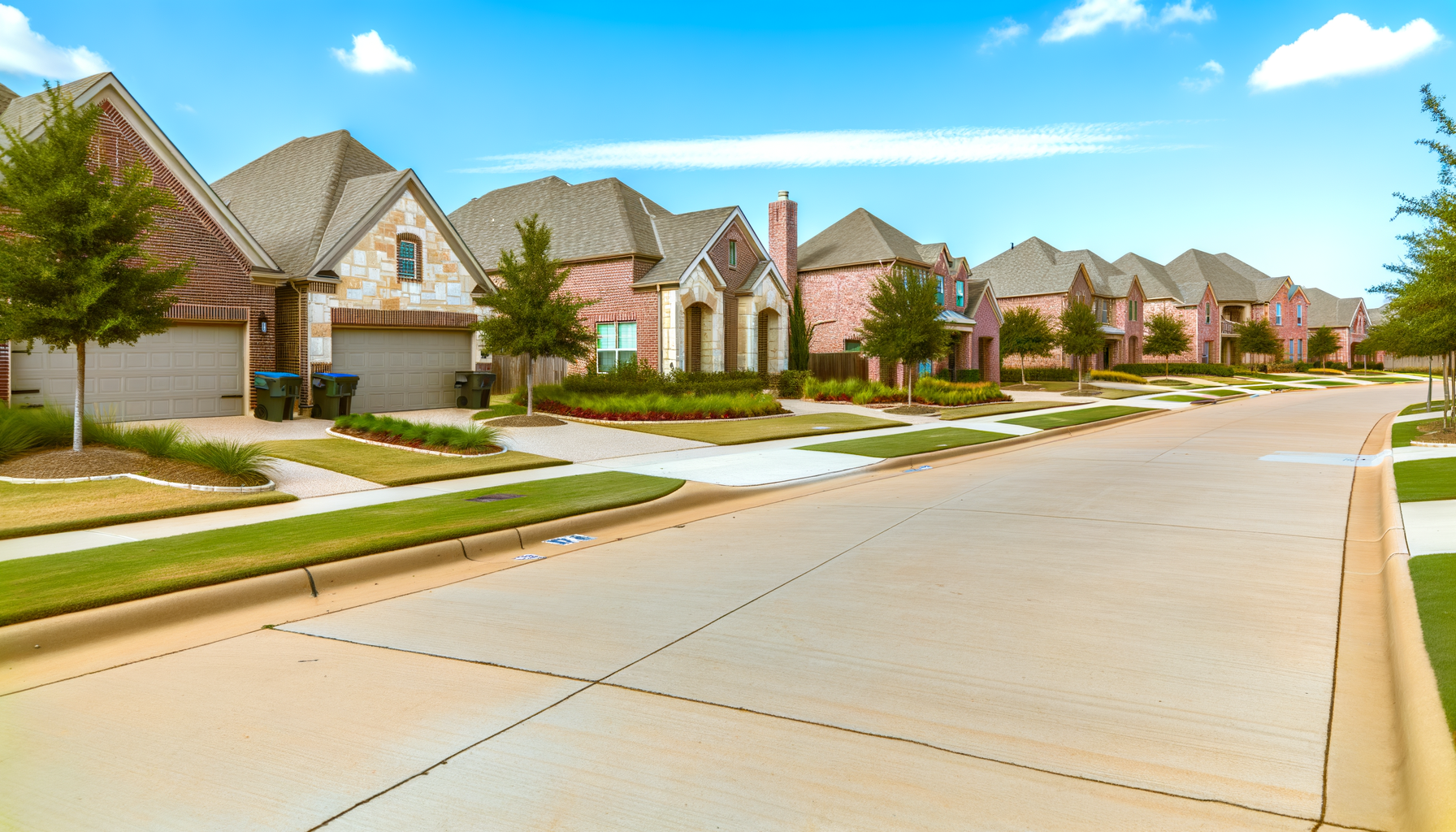
McKinney sits roughly 30 miles north of downtown Dallas, within reach of major employers and Collin County’s business network. The city has grown quickly but in a managed way — with extensive suburban development radiating out from its early‑1900s downtown grid. Inside the historic area, you’ll find established homes on tree‑lined streets and smaller lots, while the outskirts are dominated by newer communities with wider streets and modern construction styles.
Residential life here feels organized around convenience. Most neighborhoods are within a short drive of grocery stores, medical facilities, and local parks, which helps buyers seeking daily ease over dense urban living. That said, McKinney’s spread-out layout means car dependency is the norm; few residents can rely on walking or public transit for day‑to‑day tasks.
Compared with nearby Frisco or Allen, McKinney tends to have a steadier housing rhythm. Inventory here includes both large-scale planned communities and custom builds tucked into quiet sections, providing more gradual appreciation than some of the rapid ups and downs seen in hotter suburban markets.
Pros of Living in McKinney
McKinney’s strengths are easy to recognize once you’ve spent some time exploring its different sections. Here are several distinct advantages locals often mention:
- Character-filled downtown district with independent shops and restaurants
- Thoughtful planning of neighborhoods and public spaces
- Broad range of home designs, from early-century cottages to recent master-planned builds
- Strong sense of local identity despite proximity to larger cities
- Access to regional employment centers via U.S. 75 and the Sam Rayburn Tollway
One of McKinney’s biggest draws is how its downtown area has been preserved and revitalized without losing authenticity. Many clients looking for a walkable lifestyle appreciate having restaurants and live entertainment in a compact district instead of spread-out retail strips. Meanwhile, the newer subdivisions provide spacious designs, walking paths, and organized HOA amenities for those who prefer low‑maintenance living.
Buyers also value McKinney’s diversity in home architecture. Craftsman houses near the center often attract renovation buyers, while master-planned neighborhoods on the north side offer a wide range of traditional and transitional styles with newer infrastructure.
Cons of Living in McKinney
For all its strengths, McKinney does require adjustment, particularly for those used to urban settings. While it offers stability and a slower pace, there are some challenges worth considering:
- Traffic builds quickly on U.S. 75 during peak hours
- Limited public transit options make driving unavoidable
- Rapid construction in some corridors affects noise and scenery
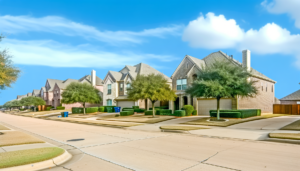
- Large planned communities can feel uniform in newer sections
Congestion remains one of McKinney’s most consistent complaints, especially for commuters heading south. The city’s growth has outpaced certain road expansions, and although improvements are ongoing, it can feel crowded during rush hour. Additionally, newer developments sometimes lose individual character because builder designs repeat across multiple streets, making some areas feel predictable.
For buyers seeking a highly walkable environment or distinctive architecture in every block, these factors can be drawbacks. That said, many offset them by choosing homes closer to central McKinney or along quieter pocket developments that blend custom lots with planned-community convenience.
Housing and Neighborhood Options in McKinney
Housing in McKinney spreads across several distinct sections, each with its own rhythm. South McKinney near Craig Ranch blends seamlessly with Frisco’s commercial districts and offers newer homes, golf course properties, and proximity to shopping hubs. Craig Ranch remains attractive to buyers who want modern construction and quick access to nearby employment centers.
North of Highway 380, Trinity Falls adds master-planned living with newer infrastructure, multiple builders, and community-focused amenities. It appeals to those who want a newer home without moving even farther north into developing cities. Closer to the center, Tucker Hill stands out with its distinct architectural design standards and front-porch streetscape, often drawing relocation buyers who appreciate its sense of place.
The choice between these areas depends on priorities: proximity to Frisco’s business corridor, connection to historic McKinney, or access to planned-community amenities. Visiting multiple neighborhoods is the best way to sense which lifestyle fits your routine.
Cost Versus Value in McKinney
From a pricing standpoint, McKinney tends to position itself slightly below Frisco’s averages while maintaining comparable build quality. For buyers, that means you may find newer construction or larger lots for similar budgets, but tradeoffs often include longer commutes or smaller local commercial centers.
Older central neighborhoods typically command value for their location and individuality rather than builder features. Meanwhile, north McKinney adds future upside potential as infrastructure continues catching up with new development. It’s not the cheapest suburb in North Texas, but buyers often see long-term stability compared to less established areas.
Those evaluating McKinney strictly by cost should focus instead on lifestyle returns — the comfort of established streets, access to downtown events, and predictable resale activity. Over time, that balanced equation has helped McKinney stay appealing through different market cycles.
Who Should Consider Living in McKinney
People who prefer suburban living with a self-contained feel tend to align well with McKinney. It fits those who want to be close enough to Dallas for work or entertainment but prefer returning home to a quieter environment. Buyers seeking character-driven homes will lean toward central districts, while those who prioritize new amenities may find the northern communities a stronger match.
If your lifestyle depends heavily on short commute times or constant nightlife options, other suburbs closer to downtown Dallas may suit better. But if your focus is space, quality housing, and a pace that allows you to settle in, McKinney’s structure delivers that balance. Touring multiple sections of the city — not just the newest developments — gives the best perspective on what you’ll experience long term.
About Dustin Pitts | McKinney Real Estate Agent
As a longtime McKinney real estate agent, Dustin Pitts helps buyers and sellers navigate this city’s distinct housing layers — from established neighborhoods near downtown to newer master‑planned developments north of 380. His experience comes from guiding clients through real purchase decisions, not just location summaries, which means his insights are grounded in daily market activity.
Dustin focuses on making each transaction reflect what’s most important to the client — whether that’s proximity to work, architectural style, or resale positioning within McKinney’s evolving market.
If you’re ready to explore homes, compare neighborhoods, or just confirm whether McKinney aligns with your priorities, reach out for personalized guidance from a McKinney real estate agent who understands the market street by street.