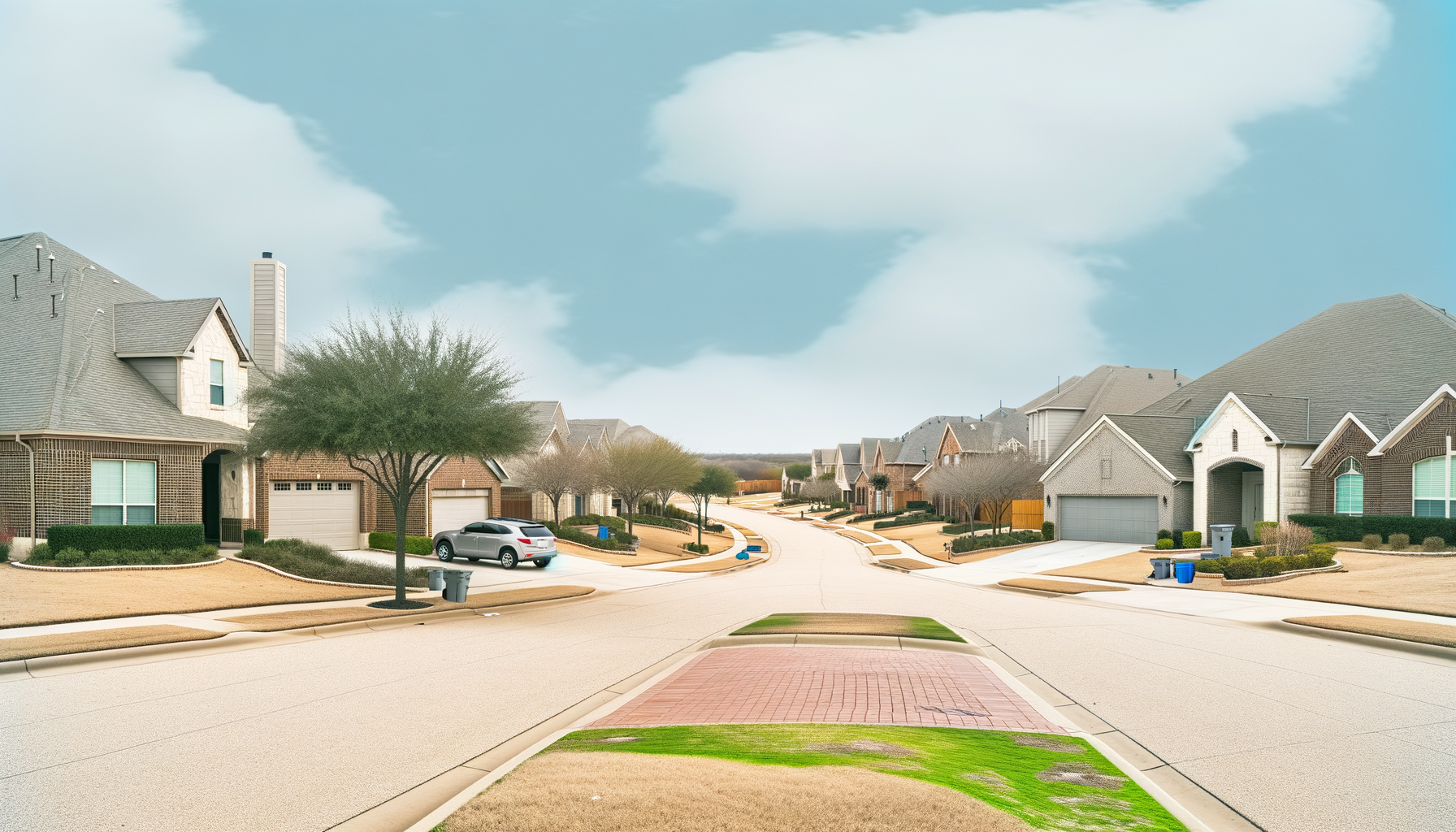
Plano, Texas continues to draw consistent buyer interest, largely because it blends established suburban stability with a growing mix of newer developments. If you’re comparing relocation options across the north Dallas suburbs, understanding the Plano lifestyle—its pros, cons, housing patterns, and value tradeoffs—will help you decide if it aligns with what you’re looking for. While Plano often appears high on “best places to live” lists, no city fits every buyer’s priorities. The key is determining whether Plano’s layout, pace, and cost structure match your goals.

Plano sits in the northern corridor of the Metroplex, directly east of The Colony and north of Richardson, with quick access to major employment centers along the Dallas North Tollway and U.S. 75. That accessibility influences both pricing and demand. The city’s neighborhoods range from master-planned communities along Legacy Drive to older central Plano homes with mature trees and diverse architecture. This variety creates a wide spread in housing age, style, and price—but it also means tradeoffs in maintenance, lot size, and daily pace.
What It’s Like Living in Plano
Plano combines decades of established suburban growth with a strong corporate presence nearby, particularly around Legacy West. The city’s neighborhoods are structured around major roadways, so living here often means balancing convenience with the realities of traffic during peak hours. Central Plano feels rooted—many homes built in the 1980s and 1990s, shaded streets, and an established community layout. West Plano, especially near the Legacy corridor, leans newer and more vertical, with high-rise condos and contemporary single-family enclaves.
Outdoor recreation is easy to find, with a connected trail system and well-maintained parks. Most shopping and dining options are concentrated near Legacy West or along Preston Road, though each area of Plano tends to have its own local retail hubs. Because of the city’s size, the day-to-day experience can differ dramatically depending on which side of Plano you live on.
Pros of Living in Plano
Plano’s main advantages come down to access, stability, and lifestyle efficiency. Residents appreciate predictable city services and infrastructure, which translate to long-term livability. Here are some distinct benefits:
- Proximity to major employment centers along the Tollway and U.S. 75
- Well-established infrastructure and city maintenance
- Diverse housing styles across multiple decades of development
- Abundant parks, trail systems, and city programming
- Strong local amenities with multiple commercial corridors
The biggest attraction for most Plano buyers is location efficiency. You can live in a mature subdivision while still reaching major offices or retail destinations within minutes. For remote professionals or commuters, that balance saves time and reduces daily stress. Another often-overlooked advantage is the city’s consistent planning—Plano tends to reinvest in older areas rather than letting them stagnate, which helps sustain property values.
Cons of Living in Plano
For all its strengths, Plano has genuine tradeoffs that may not fit every buyer’s preferences. Being realistic about these is critical before making a purchase.
- Rising property taxes and higher valuations compared to some nearby suburbs
- Limited inventory of new construction unless you look at upscale pockets
- Peak-hour traffic congestion around major retail and business zones
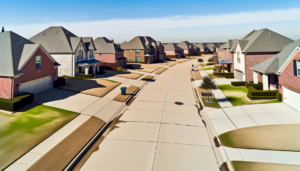
- Smaller lot sizes in newer developments west of the Tollway
- Competitive offer environments on well-updated homes
For buyers seeking affordability or land, Plano may feel tight. While the city has some well-maintained older neighborhoods, maintenance costs can add up. Meanwhile, those wanting brand-new builds with larger yards often end up looking a bit farther north toward Frisco or Allen. The other pressure point is bidding—move-in-ready homes in central or west Plano often attract multiple offers, especially when inventory dips seasonally.
Housing and Neighborhood Options in Plano
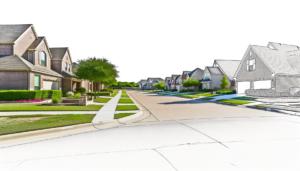
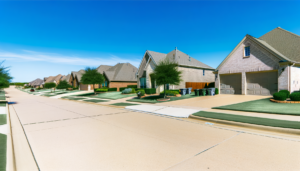
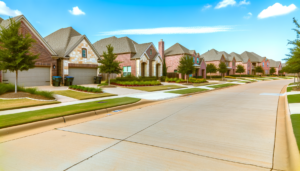
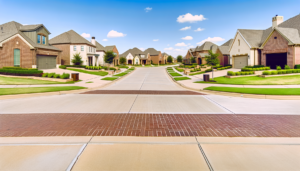
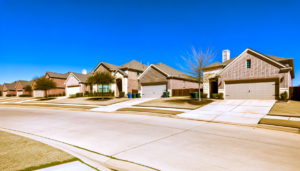
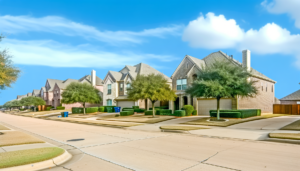
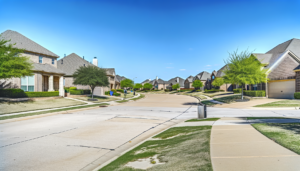
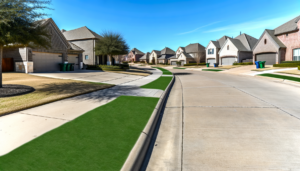
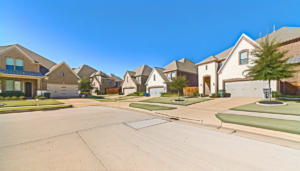
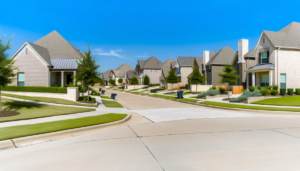
Plano’s housing stock covers over five decades of development. Central neighborhoods show more traditional architectural styles—brick façades, ranch layouts, and mature trees. Moving west toward the Tollway, construction quality and design trends shift, trading larger interior footprints for smaller, low-upkeep lots. This layout gives buyers clear choices depending on lifestyle priorities.
Those drawn to high-rise living often explore Windrose Tower At Legacy West Condo. Its condos bring a walkable, urban feel uncommon in the suburbs, especially appealing to those who prefer luxury finishes and proximity to corporate offices. For buyers prioritizing golf-course views and planned amenities, Ridgeview Ranch Estates represents a different lifestyle—single-family homes integrated within a golf community and easy Tollway access. Meanwhile, Deerfield remains well-known for larger two-story homes and an established west Plano address.
Understanding these neighborhood contrasts is key. Condos and zero-lot-line homes near Legacy offer convenience but less privacy. Established subdivisions further east trade shorter commutes for older construction. The right fit depends on your tolerance for updates versus your desire for location and amenities.
Cost Versus Value in Plano
Plano’s pricing can surprise first-time buyers accustomed to younger suburbs. While you often pay more per square foot than in Frisco or McKinney, the tradeoff is mature infrastructure, fewer construction zones, and stable resale potential. Homes tend to hold value because city services and school ratings remain consistent over time, and because there’s limited new land available for large-scale development.
That scarcity has upside: maintenance-heavy older properties can still perform well after upgrades. Buyers willing to renovate gain access to desirable areas with solid fundamentals. On the other hand, investors focused on appreciation velocity might prefer emerging suburbs with more growth space. Weighing these factors helps you determine whether Plano’s price premium fits your strategy.
Who Should Consider Living in Plano
Plano suits buyers who want suburban convenience without giving up quick access to city resources. Professionals who work in the Legacy corridor often find living nearby simplifies daily routines. Those looking for long-term stability and a sense of continuity in their community also gravitate here. The layout, amenities, and public services are well established, which tends to appeal to homeowners focused on predictable surroundings.
If your priorities lean toward large new builds on expansive lots, Plano might frustrate you. But if you value access, maintenance reliability, and the ability to choose between traditional homes or modern condos, it delivers consistent quality. Understanding how Plano’s neighborhoods are structured before buying makes the transition smoother and helps ensure your expectations align with what the market offers.
About Dustin Pitts | Plano Real Estate Agent
Working with an experienced local can make all the difference when you’re evaluating Plano’s mix of established and newer properties. As a seasoned Plano real estate agent, Dustin Pitts helps buyers and sellers navigate the city’s varied housing stock, from Legacy-area condos to traditional central Plano homes. His guidance emphasizes realistic pricing, market timing, and lifestyle fit.
Dustin’s long-term experience across the Dallas suburbs gives his Plano clients an edge when assessing tradeoffs between age, size, and maintenance. Whether preparing a property for sale or identifying neighborhoods that fit your goals, his approach focuses on results and transparency.
If you’re weighing the pros and cons of making your move, start by getting local insight. Schedule a conversation with Dustin Pitts for expert real estate help in Plano and take the next step toward making an informed decision about where—and how—you want to live.