
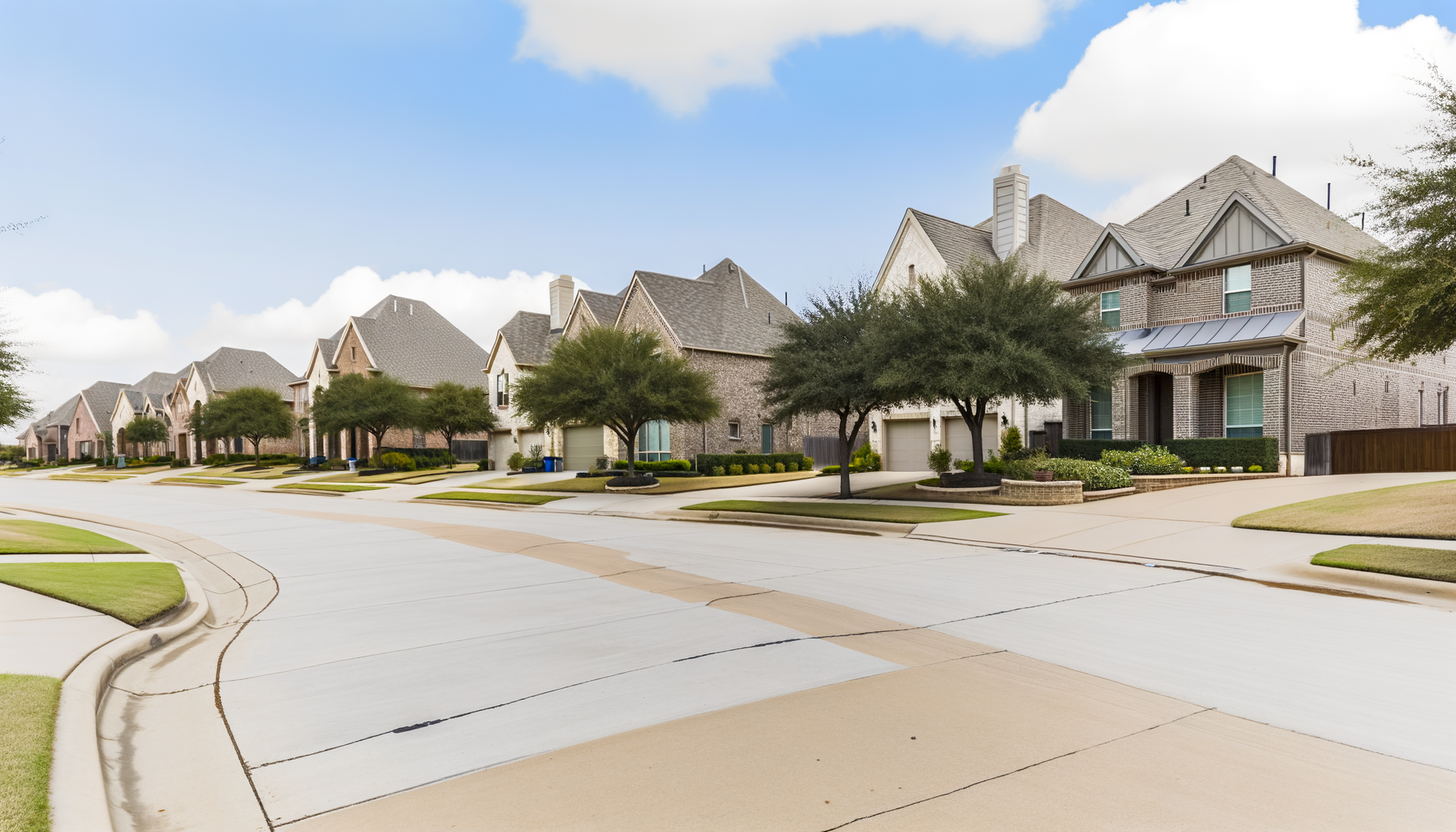
If you’re looking at established areas of Plano, the appeal usually comes down to mature landscaping, larger lot sizes, and homes built during the peak years of the city’s expansion. Plano’s long development history means that buyers can find everything from early 1980s traditional homes to more modern 2000s construction tucked into stable neighborhoods with consistent upkeep. This guide outlines what defines Plano’s most established residential pockets and what types of homes, locations, and amenities you’ll find in each.

Understanding which established neighborhood aligns with your priorities—whether that’s proximity to major employers, house design, or community layout—can make a significant difference in your satisfaction as a homeowner. Plano is well-planned but diverse in its sections. West Plano and Central Plano, despite being just a few miles apart, can deliver very different experiences for daily life, maintenance levels, and long-term property appreciation.
What to Know About Plano
Plano’s growth has progressed steadily westward since the late 1970s. The city originally centered east of U.S. 75 but expanded through strategic infrastructure investments and commercial growth, allowing for well-defined neighborhoods with mature trees and reliable property values. Buyers often appreciate that Plano’s older sections maintain strong community associations and stable resale activity despite being decades old.
Homebuyers choosing among Plano neighborhoods usually compare access to primary roads like the Dallas North Tollway, the look and architecture of more established homes, and property maintenance standards across subdivisions. West Plano communities—such as Willow Bend and Deerfield—offer larger homes on landscaped lots, while areas closer to the center of the city, such as Preston Meadow, deliver a more traditional Plano feel with consistent brick architecture and nearby retail conveniences.
Neighborhoods to Consider in Plano
Willow Bend West
One of Plano’s most recognized established neighborhoods, Willow Bend West sits in the western portion of the city near the Dallas North Tollway. Homes here were primarily built through the 1990s, offering custom architecture, well-kept landscaping, and wide streets typical of West Plano’s early luxury expansions. Many properties feature brick or stucco exteriors with side-entry garages and mature shade trees.
Buyers drawn to Willow Bend West often value its consistent homeowner upkeep and direct access to Plano’s major north–south corridors. The area’s larger floorplans, some with unique layouts, make it especially appealing to those upgrading from smaller subdivisions elsewhere in the Metroplex.
Ridgeview Ranch Estates
Ridgeview Ranch Estates, on the far north side of Plano, represents one of the city’s later established master-planned communities from the late 1990s and early 2000s. Properties maintain a cohesive brick design with tidy sidewalks and community space nearby. The neighborhood benefits from its location near major corporate campuses while still maintaining a quiet residential environment.
The homes here are known for efficient layouts and manageable lot sizes, balancing interior space with outdoor maintenance. Buyers who want a newer feel than Plano’s central neighborhoods but prefer areas with consistent associations often focus their search along this corridor, and Ridgeview Ranch Estates fits that profile accurately.
Preston Meadow
Preston Meadow, located just west of Preston Road, provides a central Plano address with well-established homes and mature trees. Developed primarily during the 1980s, it reflects a classic Plano subdivision layout: wide streets, single-family brick homes, and a straightforward connection to major city thoroughfares. Proximity to shopping corridors and recreational areas adds convenience without sacrificing residential calm.
Those considering Preston Meadow tend to appreciate its location advantage—close enough to the Tollway for commuting yet slightly removed from high-traffic commercial zones. It’s a good match for buyers wanting traditional Plano character without the higher price points found in West Plano’s luxury enclaves.
Old Shepard Place
Old Shepard Place belongs to a cluster of mature subdivisions along Parker Road, where some of Plano’s long-established upper-tier homes are located. Construction dates range mostly from the late 1980s through early 1990s, characterized by spacious lots and larger single-story designs that are increasingly rare in newer communities.
Buyers considering Old Shepard Place typically value the high level of consistency in landscaping and the long-term pride of ownership visible throughout the area. Its established layout, close proximity to city parks, and larger lots give it lasting appeal for those focused on both livability and property stability.
Deerfield
Deerfield remains one of West Plano’s most recognized long-standing neighborhoods. Built across several phases in the late 1980s and 1990s, it features stately brick homes with mature oaks and cul-de-sac streets that create a strong sense of continuity. Its central location between major highways allows easy access to employers and shopping corridors, making it a frequent choice for relocating buyers familiar with the area’s reputation.
Many Deerfield homes have undergone thoughtful updates over the years, adding modern finishes while retaining the original curb appeal. Buyers who want an established neighborhood atmosphere without sacrificing convenience often begin their Plano home search here.
How to Choose the Right Area in Plano
When comparing Plano neighborhoods, buyers face a few key tradeoffs: West Plano offers larger floorplans and newer custom architecture, while Central and East Plano deliver shorter commutes to U.S. 75 and more traditional subdivision designs. The maturity of each area impacts yard size, tree growth, and overall maintenance requirements—details that should factor into long-term ownership plans rather than just initial impressions.
Older communities like Preston Meadow or Old Shepard Place may have slightly higher maintenance needs, especially for roofs, foundations, or irrigation systems that date back several decades. Meanwhile, locations such as Ridgeview Ranch Estates usually feature updated construction standards from the 2000s, appealing to buyers who prefer less structural upkeep.
The right area depends on your specific priorities—lot size, architectural style, ease of renovation, or transportation access. Touring multiple established sections gives a clear sense of how each pocket of Plano functions and how well it matches your expectations for day-to-day living.
Final Thoughts on Plano
Plano’s established neighborhoods continue to hold steady demand due to their thoughtful planning and long-term homeowner investment. Areas across West and Central Plano differ considerably, so walking through a few of them can help clarify which tradeoffs are worthwhile. Resources like the Plano neighborhood guide are a strong starting point for narrowing options based on your priorities.
About Dustin Pitts | Plano Real Estate Agent
As a local Realtor, Dustin Pitts provides detailed guidance to homebuyers and sellers through his real estate help in Plano. His experience spans established communities across the city, ensuring clients get the context they need about local property conditions, lot characteristics, and resale factors.
Dustin’s approach focuses on pairing buyers with neighborhoods that fit their daily needs and long-term goals. From assessing renovation potential in Old Shepard Place to comparing property layouts in Deerfield, he helps clients make informed, confident choices across the Plano market.
To discuss your next move or evaluate which Plano neighborhoods best match your goals, reach out for personalized Plano real estate guidance today.


