
Buyers exploring homes in Nevada, Texas often start with the same question: how does this Collin County community differ from other rural areas on Dallas’ northeastern edge? While it sits just a few miles east of Lavon Lake and is surrounded by farmland, Nevada isn’t simply a remote pocket — it’s gradually grown into a distinctive market with a mix of new construction and mature acreage properties. For buyers who prefer more space but still want access to city conveniences, knowing which neighborhoods align with your priorities is key.

This guide walks through what you should know about Nevada’s layout, housing patterns, and the characteristics that separate its subdivisions. Whether you’re assessing new developments or established sections, making sense of community design and property types will help you focus your search on neighborhoods that really suit your goals.
What to Know About Nevada
Nevada sits along State Highway 78, roughly midway between Wylie and Farmersville. It has retained its rural framework even as residential growth has started to take hold in the surrounding corridor toward Lavon and Josephine. Instead of dense subdivisions, much of Nevada’s housing is spread across large tracts, with newer developments appearing in small pockets. This balance of open land and selective new builds gives buyers uncommon flexibility in lot size, architectural style, and privacy.
Homebuyers considering Nevada typically fall into two thought processes: those seeking brand-new homes on large lots and those chasing country acreage with existing structures. Because city services have expanded more slowly than in nearby suburbs, certain properties rely on septic systems or private wells. That’s not a drawback for everyone — in fact, many buyers view that autonomy as part of the appeal. The main consideration is understanding how those systems affect ownership and maintenance before you commit.
The community’s growth has been deliberate. As developers focus on preserving the area’s space and agricultural roots, new neighborhoods tend to integrate smoothly with existing tracts rather than replacing them. For anyone evaluating Nevada neighborhoods, it’s smart to think about proximity to major routes, utility setup, and how the housing mix fits your expectations for both yard size and upkeep.
Neighborhoods to Consider in Nevada
Providence Point
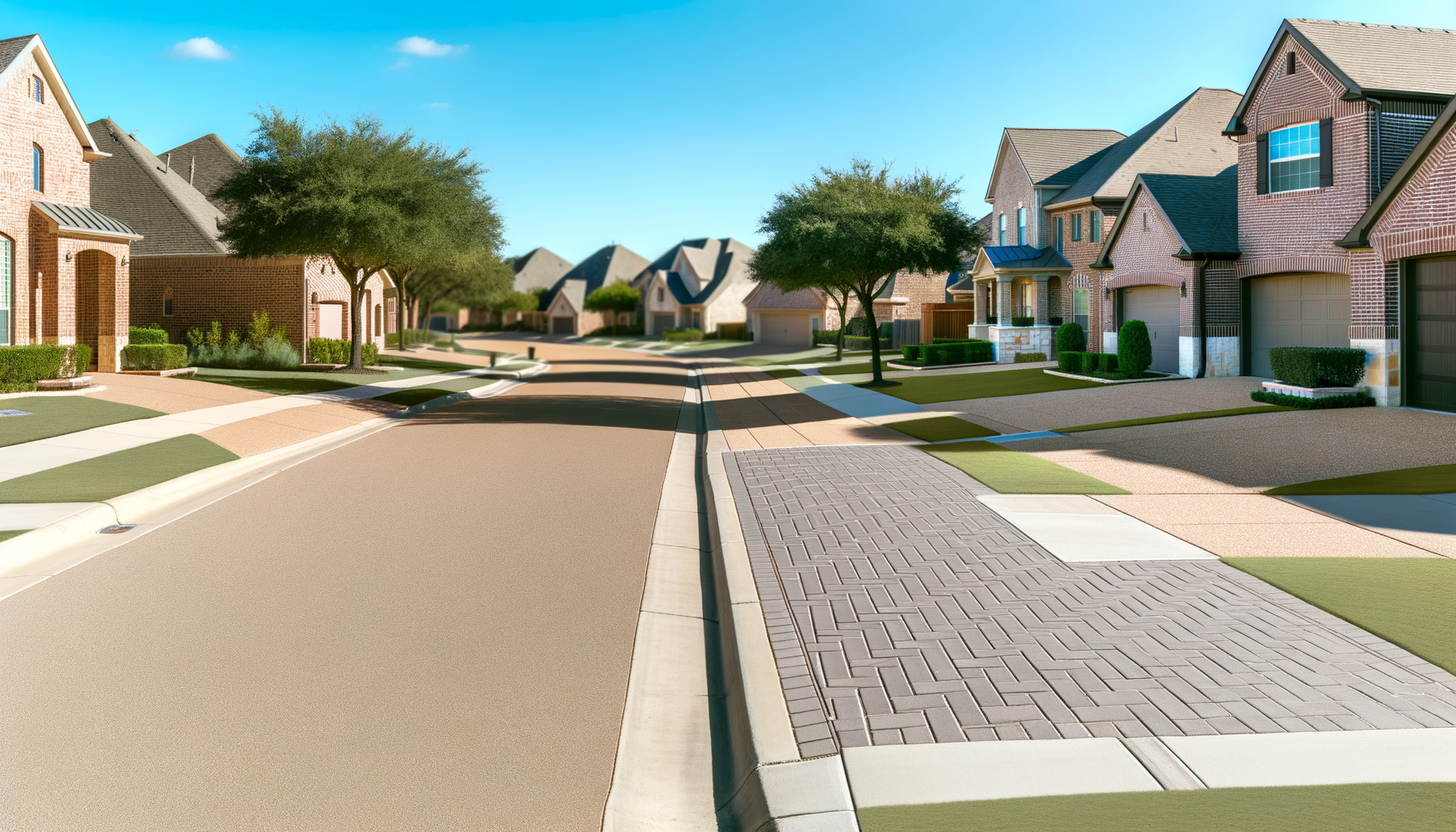
Providence Point is one of the city’s better-known planned residential areas, and it captures much of what draws people to Nevada: newly built homes, quiet surroundings, and wide-open lots. This neighborhood features modern layouts with brick and stone exteriors, yet home sites remain significantly larger than what you’d expect west of Lake Lavon. Buyers here tend to appreciate the balance — a true neighborhood environment without sacrificing breathing room.
Given its proximity to main roads leading into Wylie and Rockwall, Providence Point works well for buyers who want newer construction but still need reasonable access to larger retail and service hubs. The subdivision design keeps traffic low, with interior streets providing privacy and minimal pass-through routes. That controlled flow has helped preserve a more relaxed setting even as the broader area grows.
For sellers, Providence Point’s organized aesthetic and curb appeal have translated into steady demand among relocation buyers comparing Nevada to areas like Royse City or Farmersville. The homes’ consistent design quality and neighborhood infrastructure make it one of the more marketable parts of town, particularly for those wanting move-in-ready properties without overseeing custom builds.
How to Choose the Right Area in Nevada
When selecting a home in Nevada, the main variables usually revolve around lot size, road access, and age of construction. If you value newer homes with managed development standards, areas like Providence Point set clear expectations for neighborhood character. If you prioritize acreage or prefer room for additional structures, existing rural tracts on the city’s outskirts offer flexibility — though they may require more maintenance and planning.
It’s also worth considering how much direct highway access you need. Properties closer to Highway 78 allow quicker trips toward Wylie, Sachse, and Garland, while those farther north trade convenience for quiet. Buyers who work remotely often lean toward larger parcels deeper into the city, where slower growth translates into fewer traffic concerns and expansive surroundings.
Whatever your priorities, be prepared to balance future development impact with property type. Even in a slower-growing area, new construction edges outward each year. Reviewing plats, understanding lot restrictions, and talking with local agents who know Nevada’s development cycle can help you target areas best aligned with your long-term plans.
Final Thoughts on Nevada
Nevada’s housing market rewards buyers who take time to understand how each neighborhood connects to the city’s road network and rural framework. Whether you focus on newer construction in organized subdivisions or rebuild potential on multi-acre tracts, aligning your lifestyle with the housing setup is key to making the right purchase. Exploring details of individual Nevada neighborhoods before committing ensures you avoid surprises once you move in.
About Dustin Pitts | Nevada Real Estate Agent
As a Nevada real estate agent, Dustin Pitts guides buyers and sellers through the nuances of rural and semi-rural property transactions across Collin County. His approach comes from firsthand experience assisting clients who want a mix of privacy, acreage, and community amenities that fit their lifestyle priorities. Dustin’s practical knowledge of land considerations, utility setups, and local market movement helps clients avoid missteps common when shifting from suburban to country living.
If you’re comparing neighborhoods or preparing to sell a home in Nevada, Dustin can help you weigh location advantages, highlight value-driven improvements, and position your property effectively for the market’s steady buyer demand. His insight connects the dots between lifestyle expectations and the technical aspects of land and new construction purchases.
Ready to take the next step? For professional guidance and a clear strategy for buying or selling in Nevada, reach out to Dustin Pitts today and start refining your plan with local expertise behind every decision.


