
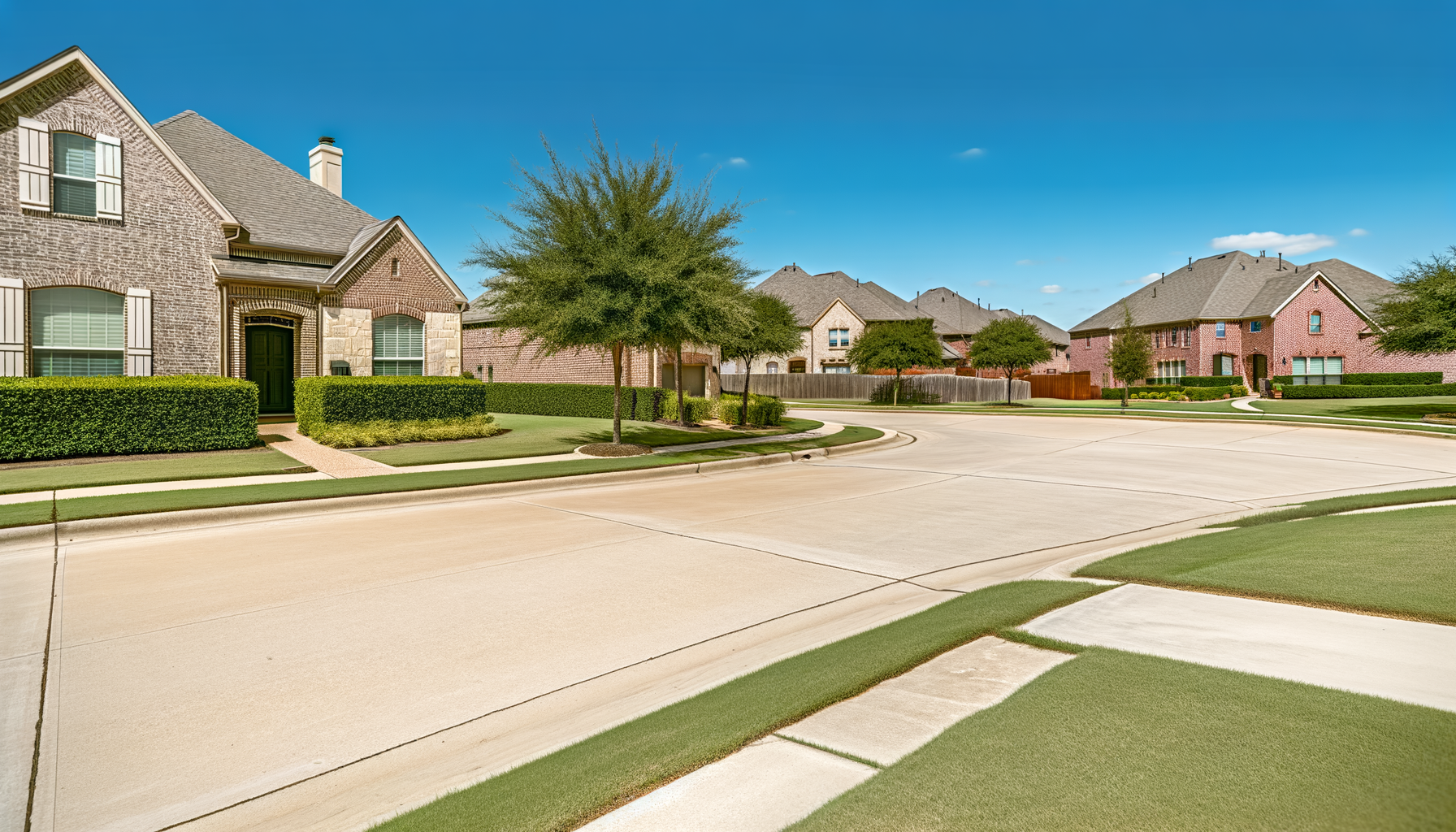
Buyers looking north of Dallas often ask whether Prosper is a good place to live. The question comes up frequently, especially from clients comparing it with neighboring Collin County communities like Frisco or Celina. Prosper has attracted attention for its newer residential development patterns and its location between two expanding employment corridors. But before assuming it’s the right fit, it’s important to understand both its advantages and potential drawbacks.

On paper, Prosper shows strong appeal—planned neighborhoods, thoughtful design standards, and a reputation for quality new construction. In practice, though, lifestyle and commute convenience vary depending on where you buy. What feels ideal for one household may not suit another, making careful neighborhood and location analysis essential.
For those exploring a move, evaluating Prosper means considering how growth, housing inventory, and long-term plans align with your priorities. The decision isn’t just about individual homes; it’s about the type of community Prosper has become and how it’s evolving over time.
What Makes Prosper Appealing?
Prosper’s defining advantage is the pace and quality of its master‑planned development. The town was slower to build out than some of its neighbors, which allowed the city to plan infrastructure and zoning in a more coordinated way. As a result, many subdivisions include consistent architectural standards, wide streets, and well-maintained common areas.
Its location north of Frisco means residents can access regional shopping and entertainment while staying a bit outside the denser urban edge. Many buyers appreciate that Prosper still retains pockets of open land and newer commercial centers, giving it a balance between suburban comfort and active growth. For buyers prioritizing newer‑construction homes with modern layouts and amenities, Prosper provides strong inventory relative to nearby cities where land supply is tighter.
Another strength is community investment. From roads to community facilities, Prosper has managed its growth through structured development agreements. For homeowners, that usually translates into neighborhoods with a consistent look and defined long‑term planning—important for resale predictability.
Potential Drawbacks of Prosper
With growth comes some tradeoffs, and Prosper is no exception. Rapid construction means construction zones and temporary traffic delays are common in developing areas. Buyers should expect some level of ongoing building activity, especially near the US‑380 corridor, where new retail and housing projects are underway.
Prosper’s location offers breathing room but also adds time to commutes toward central Dallas. For remote workers or those with flexible schedules, this may not matter; for daily commuters, it’s worth testing drive times before committing. Public transit options are limited, so vehicle access is essential.
Housing demand has remained high, which can restrict availability and leave limited resale choices compared with larger cities nearby. Inventory tends to skew toward larger homes on more substantial lots. Those looking for compact townhomes or smaller, low‑maintenance properties will find fewer options than in Frisco or McKinney.
Housing and Neighborhood Choices in Prosper
Prosper’s neighborhoods vary significantly in age, layout, and HOA involvement. Most communities built in the last decade lean toward planned developments with shared amenities and active resident associations, while pockets of older acreage homes remain on the western side of town.
The Star Trail community is an example of Prosper’s high‑end planning approach. It features homes from well‑known builders on large lots, combined with recreation amenities and wide internal roadways. Buyers drawn to consistent design standards and newer construction often start their search there.
Light Farms Laurel Neighborhood offers another perspective—it’s part of a large master plan with several smaller enclaves, a strong sense of shared design, and extensive walking paths. It appeals to buyers who value active homeowners’ associations and well‑maintained streetscapes.
For those who prefer established settings and mature landscaping, Gentle Creek Estates stands out. Homes there are typically larger with custom details, situated around the Gentle Creek Golf Course. The neighborhood’s spacing and mature trees create a more settled environment than some of Prosper’s newer areas.
Cost, Lifestyle, and Daily Practicality
While Prosper homes are newer on average, that also means higher property values and often higher HOA assessments. Buyers should compare the full cost of ownership—tax rate, HOA dues, and maintenance expectations—with nearby markets. The lower inventory of starter homes can make entry pricing challenging for first‑time buyers.
Daily life in Prosper tends to center around its newer town facilities and localized retail developments along 380. Grocery, dining, and basic retail needs are well covered, but specialized shopping or entertainment often requires a short drive to Frisco or McKinney. The benefit is less congestion within Prosper itself and a quieter residential environment.
From a livability standpoint, infrastructure has caught up well with population growth, but continued expansion along the main corridors will affect traffic patterns. Those choosing homes on the east side often have better access to major routes, while western areas feature more space and a semi‑rural atmosphere but longer drive times to services.
Who Prosper Is a Good Fit For
Prosper tends to fit buyers who prioritize new construction, strong community planning, and long‑term investment stability. Those who prefer predictable growth patterns and consistent quality control among neighborhoods usually find that Prosper aligns well with their expectations.
It’s also a good match for people comfortable trading slightly longer commutes for newer homes and quieter surroundings. If daily convenience outweighs home age or lot size in importance, nearby cities might make more sense. But for buyers focused on craftsmanship, layout, and community cohesion, Prosper delivers strong value.
Residents who are actively involved in local events and neighborhood life often appreciate Prosper’s coordinated social atmosphere. Many communities organize homeowner gatherings or seasonal events, giving residents opportunities to stay connected without relying on larger city venues.
Final Verdict on Prosper
So, is Prosper a good place to live? For many north Dallas buyers, yes—with the right expectations. Prosper provides well‑planned developments, quality home construction, and a location that balances growth with space. Its main challenges involve commute length and limited small‑home options. For those who value master‑planned living and a quieter suburban pace, it’s a compelling choice.
If you want to explore specific neighborhoods or see recent listings, visiting the Prosper neighborhoods page is a good next step before touring homes in person.
About Dustin Pitts | Prosper Real Estate Agent
As a local Realtor, Dustin Pitts assists clients with buying or selling in Prosper using a neighborhood‑based approach. His on‑the‑ground experience across Star Trail, Light Farms, and Gentle Creek helps buyers evaluate the subtle differences that affect long‑term value and resale appeal.
Dustin combines local market insight with practical transaction guidance, ensuring clients understand timing, property condition, and neighborhood trends before finalizing an offer. His approach helps both buyers and sellers make data‑driven decisions specific to Prosper’s fast‑evolving market.
If you’re planning to move or list a property, reach out to discuss real estate help in Prosper and build a clear plan tailored to your goals.


