When people start exploring North Dallas suburbs, Allen often makes the shortlist. It’s a city that combines suburban comfort with proximity to major employers, shopping, and regional entertainment. Located just north of Plano, Allen attracts buyers who want established neighborhoods, modern amenities, and a defined community layout rather than a sprawling feel. But like any city, it comes with distinct tradeoffs. Understanding both the upsides and challenges of living in Allen can make or break your decision to move there.

This overview focuses on what daily life feels like in Allen — how it’s organized, where the traffic patterns tend to be, and what you’ll notice after a few months of living there. Anyone comparing Allen with nearby areas such as McKinney, Frisco, or Plano should weigh not only price, but also convenience, pace, and housing stock.
What It’s Like Living in Allen
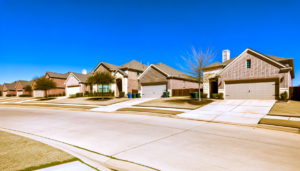
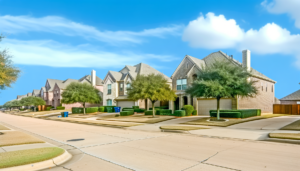
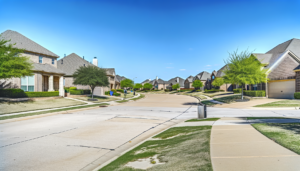
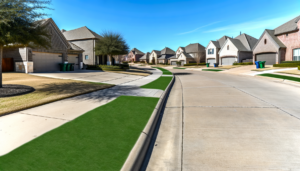
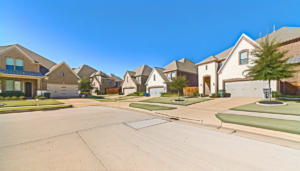
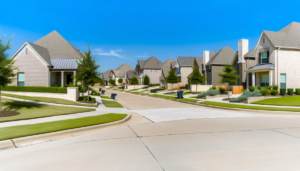
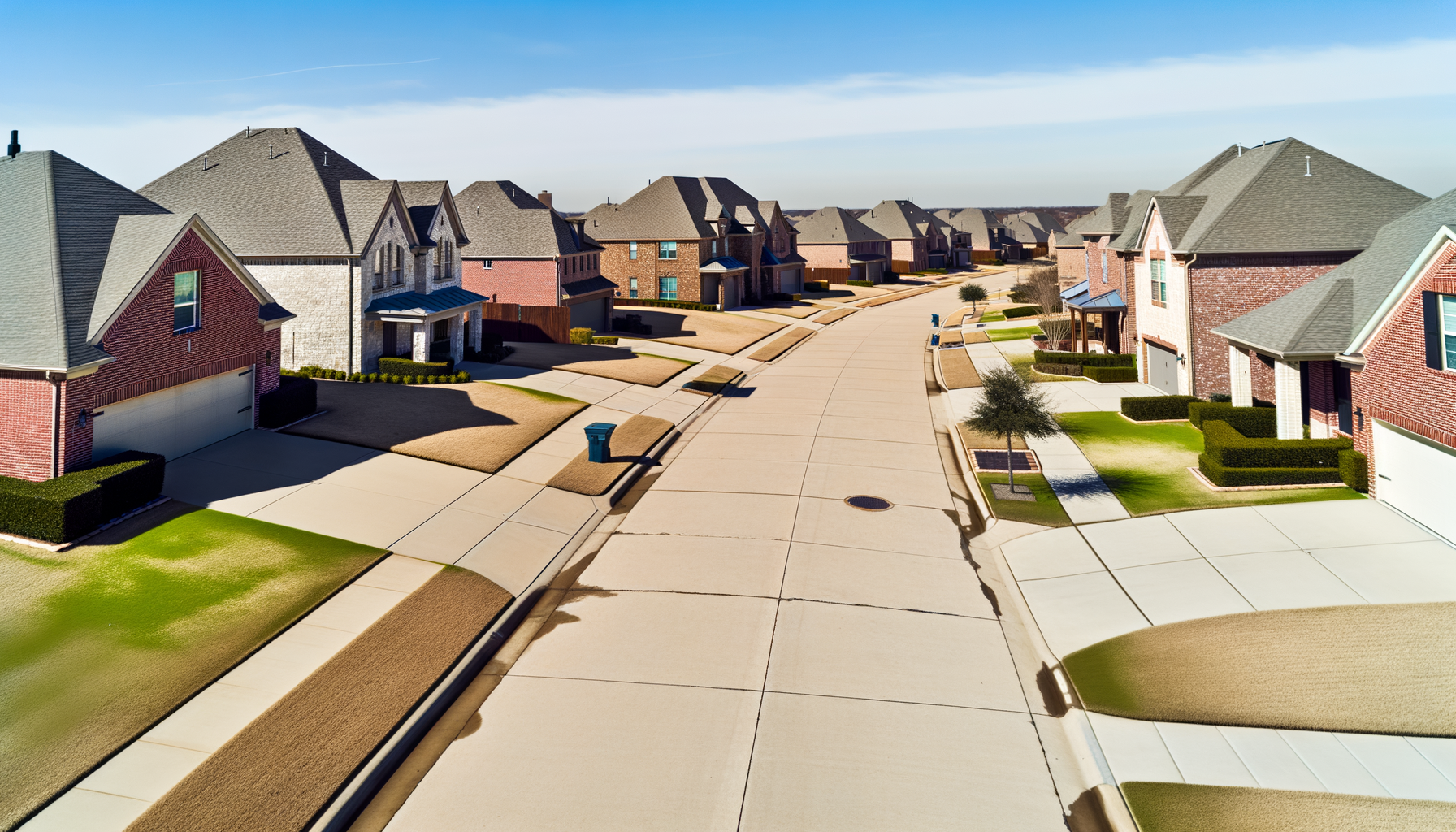
Allen has a well-planned suburban layout with established main routes like Exchange Parkway, Alma Drive, and Angel Parkway defining its structure. It’s primarily residential, though it includes strong pockets of retail near U.S. 75 and Stacy Road. Homes tend to sit on moderately sized lots, and the city keeps a consistent standard of curb appeal through HOA-managed and non-HOA neighborhoods alike.
The area balances newer developments with streets built in the late 1990s and early 2000s, giving buyers a range of architectural styles. Allen’s infrastructure is organized to make local errands straightforward; however, peak-hour traffic along U.S. 75 and major intersections can slow things down. For most residents, though, daily convenience and suburban comfort outweigh the congestion challenges.
Pros of Living in Allen
Several benefits draw buyers to Allen. Beyond location, the city delivers good livability and steady real estate demand.
- Proximity to U.S. 75 allows relatively quick access to major employment and retail areas.
- Neighborhoods are mature and well-kept, with sidewalks and parks connecting residential streets.
- Recreation amenities and local events create a consistent community atmosphere.
- Housing retains value due to limited pockets of undeveloped land and steady buyer interest.
For many homeowners, the biggest benefit of Allen is its balance of suburban quiet and accessibility. It’s close enough to larger cities that you don’t feel isolated but separated enough to maintain a stable residential feel. The city’s retail and dining options cover most daily needs, reducing reliance on neighboring cities for basic conveniences.
Cons of Living in Allen
Despite its strengths, Allen isn’t perfect. Buyers should approach it with realistic expectations about cost and pace.
- Traffic congestion increases significantly along U.S. 75, especially during morning and evening rush hours.
- Housing prices reflect high demand and can limit choices for certain budgets.
- Limited new construction means fewer opportunities for fully custom builds within city limits.
- Property taxes can be higher than some smaller or more rural areas nearby.
The biggest drawback for some buyers is the pricing pressure created by limited inventory. Many homes sell quickly, particularly those with updates or desirable backyard layouts. For buyers needing extensive square footage or larger lots, options may be better in outlying communities just north of Allen. That said, for homeowners focused on resale stability, the smaller supply can be a positive factor over time.
Housing and Neighborhood Options in Allen
Allen’s neighborhoods vary depending on which side of the city you explore. West Allen generally features newer builds and master-planned communities close to major shopping areas, while east Allen tends to have earlier subdivisions with matured trees and established surroundings. HOA rules, lot sizes, and architectural styles differ from one area to another, so buyers should prioritize their top criteria early in the process.
Twin Creeks remains one of the city’s most recognizable communities, known for its extensive walking paths and golf-course setting. Homes there often highlight larger footprints and premium finishes. Further south, Starcreek offers a mix of executive homes and newer layouts close to the main retail corridor at Stacy Road, appealing to those who want modern design and an easy drive to Highway 121. On the other hand, Lost Creek Ranch is a strong choice for buyers looking for practical layouts in a traditional suburban environment near community parks and walking trails.
Each neighborhood carries its own blend of HOA structure, street layout, and resale activity, so working with an agent familiar with Allen’s patterns can be essential. Understanding how these micro-markets move helps buyers prioritize the right area rather than chasing a particular listing.
Cost Versus Value in Allen
Allen’s home prices tend to run above average for North Texas suburbs, influenced by its limited open land and consistent buyer demand. The tradeoff is predictable value retention. Even during broader market fluctuations, Allen generally maintains steady resale appeal due to its well-maintained public areas and cohesive development planning.
From a cost-versus-value standpoint, what you pay in Allen often buys stability — both in property condition and long-term desirability. Buyers seeking newer construction might find smaller floor plans at higher per-square-foot pricing, while older homes can offer more space but require updates. Understanding how a specific neighborhood positions itself within Allen’s price range is key to negotiating effectively and measuring long-term value.
Who Should Consider Living in Allen
Allen tends to appeal to those who value established neighborhoods, proximity to retail, and an organized city layout. It works particularly well for homeowners who prefer a consistent suburban environment with fewer fluctuations in property quality from one street to the next. Those who enjoy community-oriented events and recreational outlets will find plenty of opportunities to get involved.
However, buyers primarily seeking acreage, ultra-modern architecture, or extremely short commutes to downtown Dallas might consider whether the tradeoffs fit their priorities. Allen’s strength lies in delivering a predictable, cohesive suburban experience without the rapid development pace seen in some newer areas.
About Dustin Pitts | Allen Real Estate Agent
As a local Realtor with extensive experience across Collin County, I focus on helping people navigate what truly fits their lifestyle and goals in Allen. If you’re exploring the market, I provide real estate help in Allen that covers both finding the right property and understanding how each neighborhood performs in resale value and daily convenience.
My approach is straightforward — honest guidance, in-depth property insight, and clarity on tradeoffs that matter over time. Whether you’re relocating, upsizing, or selling, you’ll get tailored advice built from years of hands-on work in Allen and nearby suburbs.
If you’re planning a move or want to evaluate what your home could bring in today’s market, let’s talk. I can provide clear, local insight through your move and make sure your next step in Allen real estate is a smart one.