
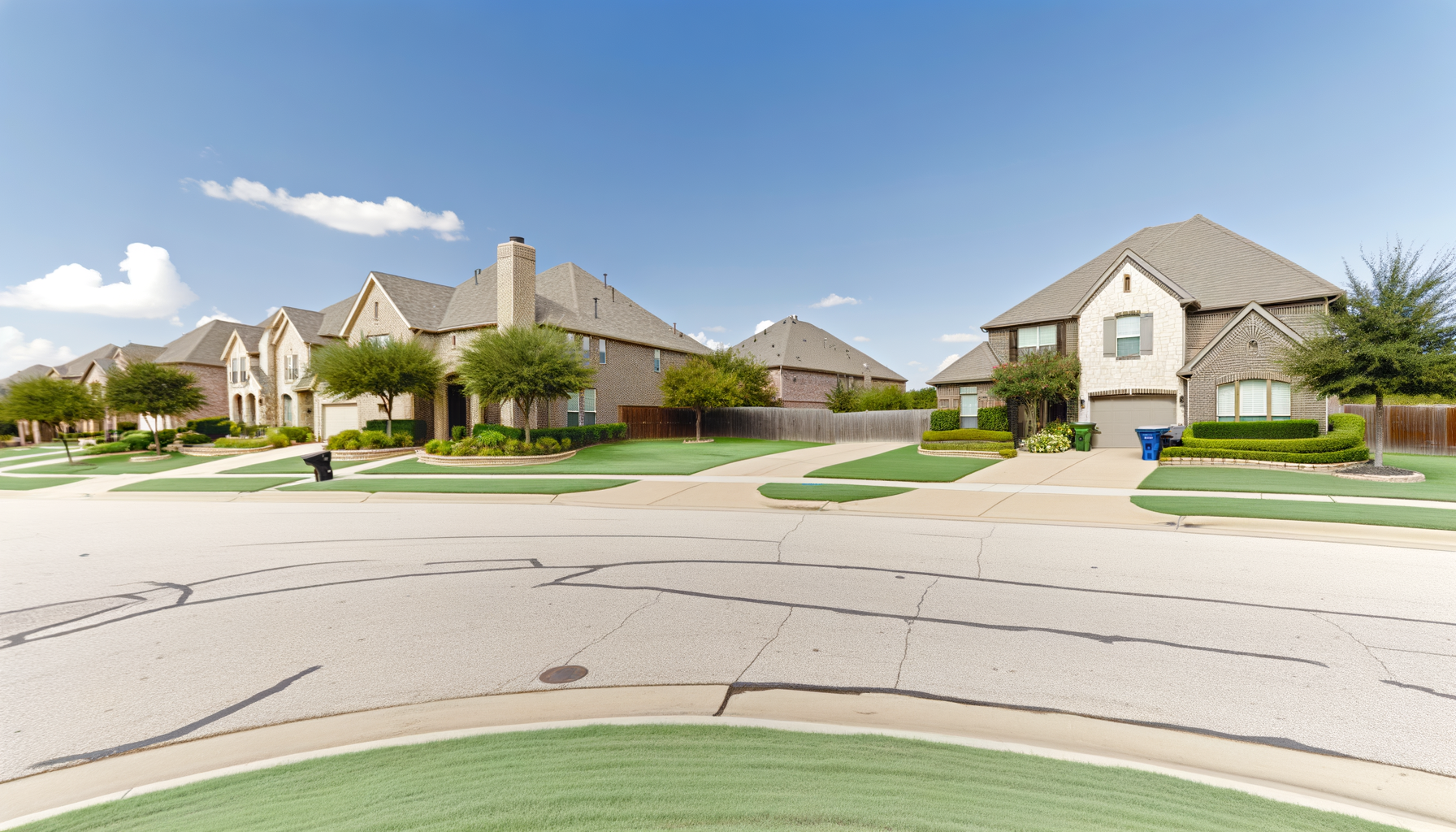
Celina has grown from a quiet farming community into one of the most discussed residential markets north of Dallas. If you’re thinking about moving to the area, understanding both the advantages and the challenges of living here can make your decision far easier. This guide breaks down what daily life is really like in Celina, how its neighborhoods differ, and what to expect when buying or selling a home.

Over the past decade, Celina’s growth has been steady and carefully managed. Many buyers are drawn by the combination of newer construction, open land, and proximity to major employment centers in Frisco and Plano. Still, Celina feels distinct from its larger neighbors, and that’s exactly what appeals to homeowners who want more space without losing access to North Dallas conveniences.
Whether you’re relocating for work, wanting more property, or just evaluating where your next home could be, this overview of Celina’s pros and cons gives you a grounded sense of how the city fits your lifestyle goals.
What It’s Like Living in Celina
Celina covers a large area of rolling terrain north of Prosper and Frisco, with subdivisions spreading out in carefully planned phases. While much of the land is new construction or still under development, the core of the city retains its small-town street grid and local businesses clustered near the downtown square.
Because of its size, Celina feels less compressed than older suburbs closer to Dallas. Streets are wide, homes often have deeper setbacks, and developers design neighborhoods around greenbelts and small parks. Most daily errands—groceries, coffee shops, and basic retail—can be handled locally, though many residents drive to Prosper or Frisco for broader shopping options.
The layout of Celina encourages larger-lot homes and planned communities rather than dense infill. This spacing, along with open views across undeveloped tracts, gives the area a more relaxed pace compared to city environments farther south.
Pros of Living in Celina
Celina appeals to buyers for several practical reasons tied to its location, design, and growth outlook.
- Ample new-home inventory and modern neighborhood planning
- Proximity to employment centers in Frisco and Plano
- Room for future growth without feeling overbuilt
- Community events and shared amenities across multiple developments
- Active city planning focused on infrastructure expansion
Many buyers appreciate the construction quality and layouts of newer homes being built in Celina. Floorplans tend to maximize usable space and include design features popular with today’s buyers, from open living areas to energy efficiency upgrades.
The location north of Highway 380 also keeps Celina accessible for those who work in Frisco or Plano but prefer a quieter residential environment. While traffic along Preston Road can back up during peak hours, planning new thoroughfares has been a continual city priority, which helps support long-term appreciation potential.
Cons of Living in Celina
No city is ideal for everyone, and it’s important to factor in Celina’s tradeoffs before making a move.
- Longer commutes to central Dallas or major airports
- Limited retail and dining options compared to established suburbs
- Ongoing construction and development activity
- Property taxes that can feel high due to newer infrastructure investments
The biggest challenge for many residents is distance. While convenient to Frisco and Prosper, Celina is roughly at the northern edge of Collin County, meaning frequent trips into Dallas or beyond can add drive time. Day-to-day needs are met locally, but higher-end shopping or niche services still require a short drive south.
Ongoing development is another consideration. New phases and utilities are constantly being built, and with that comes temporary noise and construction traffic. For buyers used to built-out suburbs, the amount of visible new construction can be surprising—but it also represents future potential as the city matures.
Housing and Neighborhood Options in Celina
Because Celina has expanded through careful community planning, its neighborhoods vary mostly by age, builder, and location relative to Preston Road or the Dallas North Tollway extension. Most homes are part of master-planned communities that include shared amenities and walking trails.
Mustang Lakes sits on the southern side of Celina close to the Prosper border, giving residents relatively easy access to Frisco while maintaining a suburban feel. Its homes often appeal to buyers seeking a refined master plan with resort-scale amenities and high-end finishes.
Light Farms is one of Celina’s best-known developments and helped define the area’s identity as a new-home market. It’s designed around multiple enclaves and community facilities that make it convenient for buyers who want a move-in-ready neighborhood with established infrastructure.
Further toward central Celina, Bluewood offers slightly smaller lots and a location closer to the downtown core. It often attracts buyers who like newer construction but prefer to be closer to the center of town rather than further south toward the larger master-planned areas.
Cost Versus Value in Celina
Because Celina is earlier in its development timeline than neighboring Frisco or Prosper, buyers typically find newer homes at a relative value—though that gap is narrowing each year. The city’s property tax base continues to expand as amenities and road systems are built, so total ownership costs should be weighed carefully.
While initial purchase prices can be attractive, buyers should plan for slightly higher tax rates tied to newer infrastructure and community maintenance obligations. On the other hand, many of Celina’s subdivisions include features that add tangible long-term value, such as green space and active homeowners’ associations that help maintain neighborhood standards.
For sellers, appreciating land values and ongoing buyer demand for new construction have supported strong resale interest, especially in newer phases. Understanding how your area of Celina compares to broader North Dallas markets is key when evaluating timing and pricing.
Who Should Consider Living in Celina
Celina tends to attract residents who want more living space and modern home design but don’t need the immediate urban access of Plano or Frisco. It suits buyers who prioritize property size and new construction, and who view the extra drive time as a fair trade for a quieter environment.
Those who enjoy community involvement often find Celina appealing. Many neighborhood associations and local events support that sense of engagement, and it’s common for residents to connect through local sports or volunteer initiatives. For buyers who’d prefer to watch an area grow rather than inherit an already-complete suburb, Celina’s stage of development fits that mindset.
If you’re considering a move north of Frisco and want a balance between space, affordability, and long-term potential, it’s worth exploring Celina and its neighborhoods firsthand to get a feel for how each community differs.
About Dustin Pitts | Celina Real Estate Agent
As a local agent who’s represented buyers and sellers across Collin County, I help clients navigate every part of buying or selling in Celina—from comparing neighborhood amenities to understanding how infrastructure plans affect property values. My approach is data-first but guided by on-the-ground experience from hundreds of transactions in the northern suburbs.
Whether you’re moving into a new construction community or selling an existing home for the next phase of your life, I’ll provide the detailed market insight and negotiation strategy you need to get consistent results.
If you’re evaluating your next move and want professional guidance from a local expert, reach out for personalized real estate help in Celina today.


