Considering a move to Frisco, Texas? Many buyers moving within the Dallas-Fort Worth area have Frisco high on their list, especially those focused on newer construction and strong infrastructure. But deciding whether Frisco fits your lifestyle takes more than looking at new developments — it’s about understanding its size, pace, and how it fits your daily routines. This guide breaks down what it’s actually like to live there, along with the pros, cons, and housing trends that define the city.

If you’ve outgrown smaller suburbs or are moving closer to major employment centers in northern Collin County, Frisco can check a lot of boxes. It has grown rapidly alongside Plano and McKinney, yet it still retains a true suburban pattern — large master-planned neighborhoods, access to shopping and dining along Main Street and the Dallas North Tollway, and a steady stream of construction as the city expands westward. Here’s what you should know before committing to a move.
What It’s Like Living in Frisco
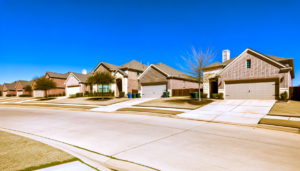
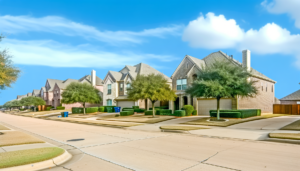
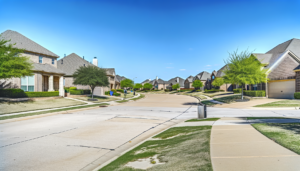
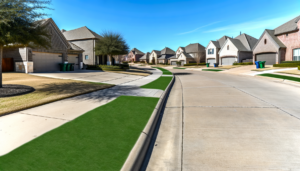
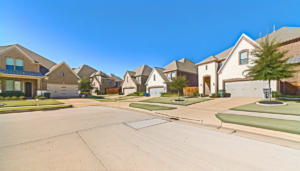
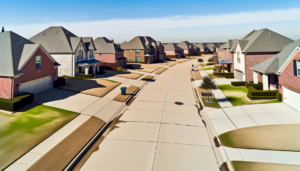
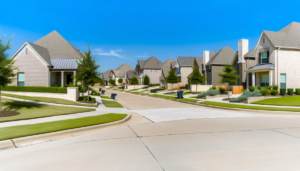
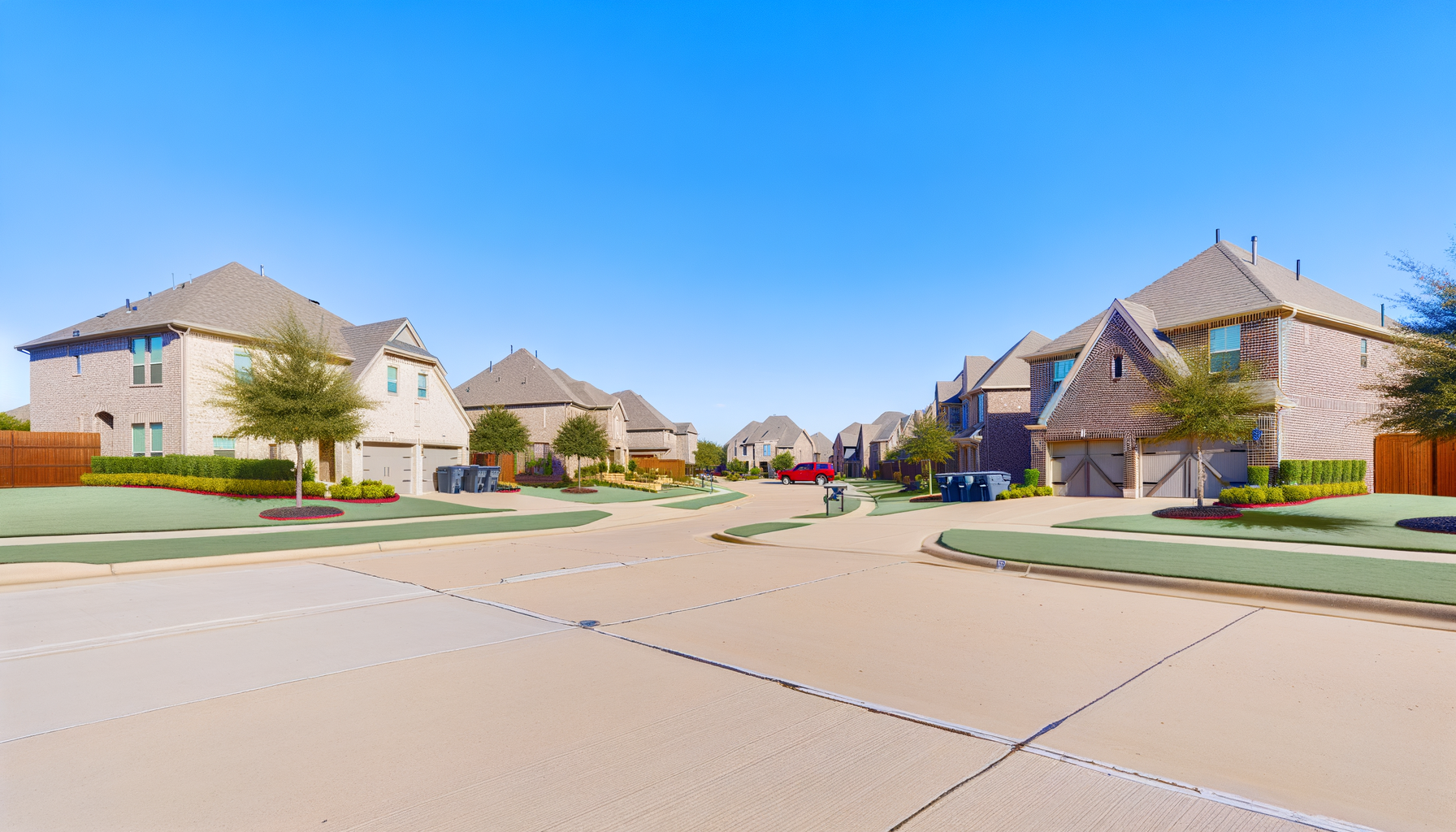
Frisco’s layout is heavily influenced by its recent development cycle. Most of the residential areas were built in the past two decades, so you’ll see consistent streetscapes, wide roads, and HOA-maintained amenities throughout much of the city. The city stretches between the Dallas North Tollway and Preston Road, with commercial nodes built around both corridors. That makes it convenient for daily errands but also results in busy intersections during peak hours.
The city has a coordinated approach to growth — developers planned neighborhoods alongside retail, parks, and city facilities. This gives Frisco a more modern feel compared to older suburbs where housing and services were added piece by piece. You’ll find that many residents use golf carts or bikes for short trips within their subdivisions because of sidewalk continuity and multi-use trail connections.
Pros of Living in Frisco
There’s a reason Frisco is often at the top of relocation lists in North Dallas. Buyers moving here usually highlight several consistent strengths:
- Modern housing stock and planned communities with cohesive design
- Strong retail infrastructure and service availability across the city
- Proximity to major highways and employment centers in Plano and The Colony
- Active parks and recreation programming supported by well-maintained city spaces
For many homebuyers, one of the biggest draws is predictability. Frisco’s developers and the city’s planning department have kept consistent architectural standards across subdivisions, which helps protect long-term home values. The shopping and dining scene has come into its own, especially along Legacy Drive and the Tollway corridor — meaning residents rarely have to leave the city for daily needs.
Also, because much of Frisco’s infrastructure was built recently, water lines, roads, and utilities tend to be more reliable than what you’d find in older neighborhoods elsewhere in the metroplex. That translates into fewer maintenance surprises for homeowners and less concern about aging systems when buying resale homes.
Cons of Living in Frisco
While Frisco offers conveniences and growth, the same features that draw buyers can also present drawbacks depending on what you value.
- High demand can translate into competitive home prices and bidding pressure
- Daily traffic along the Dallas North Tollway and Main Street corridors can be intense
- Construction across expanding areas creates ongoing noise and detours
- Limited mature trees and shading in newer subdivisions
Because Frisco’s expansion hasn’t slowed, roadwork and new developments can test your patience. The city’s size also means commuting across town can take longer than expected, particularly during school or event times. Buyers who prefer established landscaping and a quieter setting might find some parts of town feel more “new” and less settled than older Dallas suburbs like Richardson or Carrollton.
Housing and Neighborhood Options in Frisco
Frisco’s neighborhoods vary more than you might expect. East of Preston Road, you’ll find earlier developments with mature landscaping and slightly smaller lot sizes. West of the Tollway, larger master-planned communities dominate — often with shared amenities and stricter HOA standards that appeal to buyers looking for newer finishes.
The Grove sits in Frisco’s southeast corner and stands out for its careful layout and mix of architectural styles. It draws buyers who appreciate newer construction with a stronger sense of community design. Closer to the heart of the city, Starwood offers gated sections and custom homes that have held up in value thanks to their proximity to the Tollway and mature landscaping. If you’re after golf-course views and established resale homes, Plantation Resort remains a practical choice, offering established streets near Preston Road and mid-city conveniences.
Each area reflects a different phase of Frisco’s growth, so it’s worthwhile to physically tour several before narrowing down your search. Proximity to major corridors and neighborhood age significantly influence lot sizes, resale potential, and HOA intensity.
Cost Versus Value in Frisco
Frisco’s pricing reflects not just its location but also the city’s newer housing inventory and infrastructure standards. Buyers often pay more per square foot here than in nearby suburbs because the average home is newer and built to more recent energy and design codes. However, maintenance costs on newer homes can be lower, and the resale demand remains strong due to steady inbound relocation trends.
When evaluating value, remember that newer doesn’t always mean better. Some buyers prefer established subdivisions with trees and slightly older construction that trade modern finishes for lower taxes or HOA dues. What’s consistent is that homes in well-maintained sections, close to main corridors, tend to hold value better over time.
For those willing to look slightly farther west or north, pockets of developing land still offer construction options at a lower entry point, though those areas may take years to feel fully built out. Balancing today’s price against long-term livability is key when weighing whether to buy in Frisco.
Who Should Consider Living in Frisco
Frisco appeals to those who want the predictability and polish of newer suburban planning but still value access to urban conveniences. If you prefer structured neighborhoods with active HOAs, modern amenities, and straightforward commutes north of Dallas, it can be a logical choice.
Buyers who want mature architecture or quieter residential streets may find better fits in nearby cities with older housing stock. Frisco’s pace of growth ensures everything feels new and active — which some find energizing and others find overwhelming. Evaluating how you like to spend downtime can help determine if the city’s energy level suits you.
Before committing, spend some time driving not just main corridors but also side streets to get a feel for traffic flow and neighborhood scale. Understanding how the city fits your daily patterns makes for a more confident decision.
About Dustin Pitts | Frisco Real Estate Agent
As a Frisco real estate agent, Dustin Pitts helps buyers and sellers navigate the city’s distinct mix of new builds, established neighborhoods, and active resale market. His approach focuses on connecting clients to areas that truly match their routines, not just their budgets, ensuring long-term satisfaction after closing.
Dustin has spent years guiding clients through both booming master-planned developments and custom-home communities across North Dallas. He understands how builder quality, HOA standards, and location timing impact value in Frisco, which helps clients make decisions that hold up well over time.
If you’re exploring the idea of buying or selling in Frisco, reach out for guidance from an experienced local perspective. Start the process today with professional real estate help in Frisco.