Considering a move to McKinney, Texas, means taking a close look at what kind of lifestyle fits you best. McKinney has evolved from a historic Collin County town into a major suburban center that still manages to preserve a quieter atmosphere than many nearby cities. For anyone debating between North Texas suburbs, understanding what day-to-day life looks like in McKinney — and what the tradeoffs are — is essential before buying a home here.

As someone who’s helped many clients relocate to McKinney from across the Dallas-Fort Worth area, I often see people attracted to its mix of planned communities, restored downtown district, and accessible green space. But it’s not perfect for everyone. Depending on your commute expectations, housing preferences, and lifestyle priorities, other suburbs may check more boxes. This guide breaks down the main pros and cons of living in McKinney to help you figure out whether it’s the right move.
What It’s Like Living in McKinney
McKinney sits on the northern edge of the Dallas metropolitan area, bordered by cities like Allen and Prosper. Its growth has spread in every direction, yet it still maintains a historic core built around the courthouse square, where older homes line tree-shaded streets. Many residents choose McKinney for this combination — historic neighborhoods close to downtown paired with newer construction on the city’s edges.
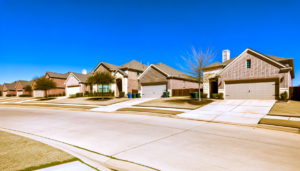
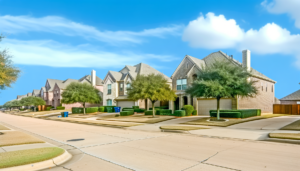
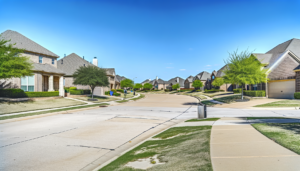
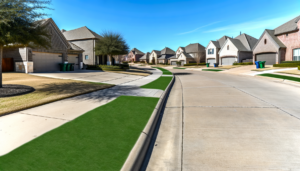
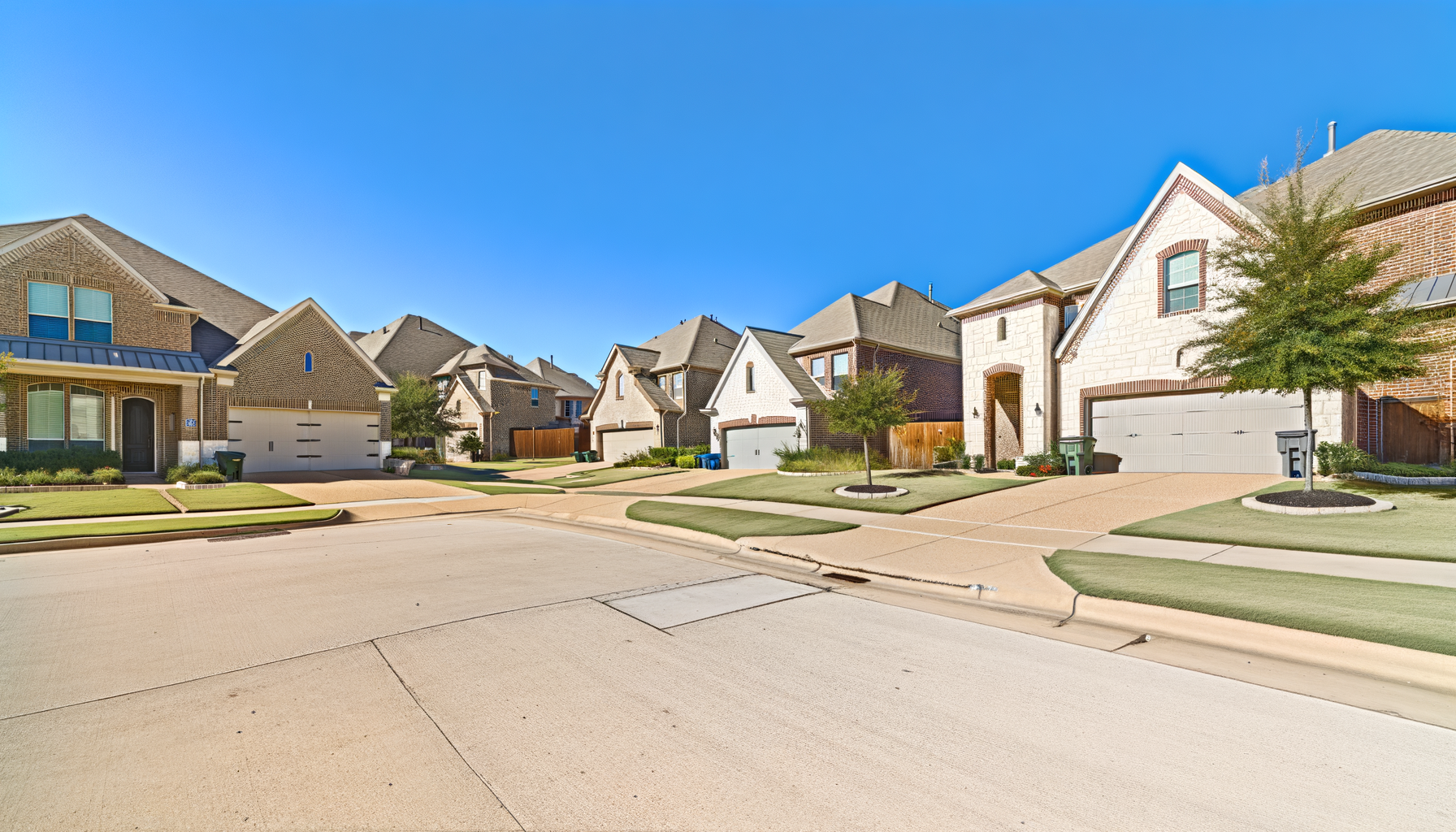
The city’s layout is diverse. The west side, along the Sam Rayburn Tollway, has seen extensive suburban development, while central McKinney revolves around century-old neighborhoods and small local shops. The northern parts continue to expand with large master-planned communities featuring trails, community pools, and pocket parks. For buyers, that variety means you can live close to urban conveniences or on quieter stretches with roomier lots.
Pros of Living in McKinney
Buyers considering McKinney often point to the same core positives, many of which directly influence daily convenience and long-term value.
- Active downtown district with shops, dining, and restored historic buildings
- Access to multiple community parks and trail systems
- A blend of newer and older housing options
- Reasonable access to U.S. 75 and Highway 121 for regional commuting
- Ongoing city investment in infrastructure and livability improvements
One standout advantage is McKinney’s well-maintained downtown square. It draws residents throughout the week for casual dining or shopping without the need to drive into Dallas. For homebuyers who value character, the older sections nearby can offer authentic architectural details not often found in newer suburbs.
Another plus is McKinney’s outdoor environment. The city maintains numerous parks and greenbelts, allowing residents to enjoy space even within master-planned communities. For buyers seeking a neighborhood where they can stay active without leaving town, that access carries weight when comparing options across Collin County.
Cons of Living in McKinney
Every suburb carries drawbacks, and McKinney is no exception. Recognizing these helps buyers make a more grounded decision.
- Longer commute times during rush hour toward major job centers
- Rapid growth that occasionally strains infrastructure
- Limited public transportation options
- Property taxes that align with most North Texas suburbs — not the lowest in the region
- More competitive home prices in some of the newer neighborhoods
Traffic on key roads like U.S. 75 and Highway 380 can be challenging, particularly for those who work in Plano or Downtown Dallas. Buyers relocating from areas with shorter commutes should expect to adjust drive times and carefully choose neighborhoods with the easiest access to major routes.
McKinney’s popularity also means competition when desirable homes come available, especially in master-planned sections with strong resale appeal. Being flexible on timing, amenities, or location within the city can make all the difference when inventory tightens.
Housing and Neighborhood Options in McKinney
The housing mix across McKinney ranges from century-old cottages near the square to contemporary homes in expansive master-planned communities. Buyers who appreciate distinctive architecture often focus on the central parts of the city, where early 20th-century homes maintain character and walkability to restaurants and small shops.
Further west, Tucker Hill stands out for its traditional design approach, featuring front porches, classic streetscapes, and community events that encourage neighborhood connection. North of there, Trinity Falls appeals to buyers seeking newer construction and community amenities such as extensive green space and planned social areas. In the southern part of the city, Craig Ranch attracts homeowners who value proximity to business centers in Plano and Frisco, along with a more contemporary suburban layout.
Because McKinney continues to grow northward, buyers have ample opportunity to choose between existing resale homes or new builds. The right fit often comes down to personal priorities: architectural style, lot size, access to major roads, and the general pace of daily life each neighborhood provides. Exploring the McKinney neighborhoods page is a practical first step for narrowing down the options.
Cost Versus Value in McKinney
When comparing McKinney to other Collin County cities, home prices generally reflect its desirable blend of suburban convenience and aesthetic appeal. While not the least expensive suburb in the area, McKinney often provides better long-term stability in property values because of its sustained demand and city planning practices.
Buyers assessing cost should look beyond simple price per square foot. The age of the home, local tax rate, and distance to major highways all influence overall ownership cost. Older sections may require more maintenance but deliver architectural interest and location advantages. Newer subdivisions may carry higher HOA dues but offer amenities and predictability that appeal to many buyers.
In short, McKinney balances higher upfront costs with consistent resale potential. For long-term homeowners, that can make the difference between simply owning property and building equity in a steadily maturing market.
Who Should Consider Living in McKinney
McKinney typically suits those who want access to major employers while keeping a degree of separation from denser suburban traffic. Buyers who prioritize established community planning, nearby nature, and a distinctive downtown atmosphere often see strong alignment with their preferences here.
Those looking for shorter commutes or more urban conveniences may find areas closer to the Tollway or toward central Dallas a better logistical fit. However, for anyone comfortable with moderate drive times in exchange for a more relaxed suburban environment, McKinney’s balance of growth, amenities, and local culture proves compelling.
Prospective homeowners who like the idea of neighborhood identity and town-character settings will likely connect with what McKinney has built. Touring different sections of the city gives the clearest sense of where that balance feels comfortable for each buyer.
About Dustin Pitts | McKinney Real Estate Agent
As a local Realtor, I provide real estate help in McKinney for both buyers and sellers seeking the right neighborhood fit. My approach focuses on understanding how lifestyle goals connect with each part of the city — from historic areas near downtown to the newer master-planned communities along Highway 75 and 380.
Whether you’re relocating to North Texas or selling a home to move within McKinney, having direct market insight makes a measurable difference in timing and negotiation. I bring years of on-the-ground experience throughout Collin County, helping clients narrow options confidently and smoothly manage each step of the process.
If you’re ready to discuss your move or learn what opportunities are currently available, reach out for personalized McKinney real estate guidance and a clear plan tailored to your goals.