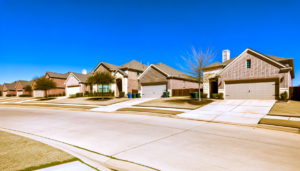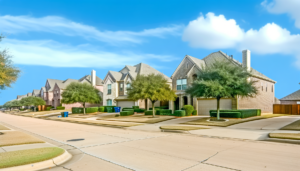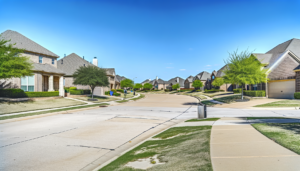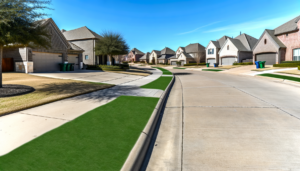
If you’re weighing a move to North Texas, Plano stands out as one of the most established and consistently sought-after cities in the Dallas area. It offers a mix of mature neighborhoods, newer communities, retail centers, and corporate campuses — all tied together by a strong sense of planning and accessibility. But as with any city, there are tradeoffs to consider before deciding whether Plano fits your lifestyle or goals.

As a Realtor who has helped clients buy and sell across Plano for years, I’ve seen how the city attracts those looking for convenience, space, and proximity to major employers. This guide breaks down what living in Plano is really like — including its advantages, its challenges, and how to navigate housing choices within it.
What It’s Like Living in Plano
Plano’s layout feels intentional. Major thoroughfares like Preston Road, Coit Road, and Legacy Drive define its structure, with established subdivisions branching off into quiet streets. The city blends large corporate districts on its western side with older neighborhoods toward Central Plano and newer developments near the northern corridors.
The local lifestyle is oriented around convenience. Shopping, restaurants, and recreation are easily accessible from most neighborhoods, and the city’s mix of parks and open spaces adds to its livability. Unlike some outer suburbs, Plano feels self-contained — most residents don’t have to leave the city for essentials or entertainment. However, that same built-out nature means less open land for new construction, which keeps inventory tight and prices steady in many areas.
Pros of Living in Plano
Plano’s strengths go far beyond its location on the north side of Dallas. Residents appreciate how well the city balances services, accessibility, and day-to-day livability.
- Close proximity to major employers and corporate headquarters
- Extensive shopping, dining, and recreation without leaving city limits
- Well-maintained infrastructure and city amenities
- Established neighborhoods with mature trees and predictable upkeep
- Consistently strong housing demand across market cycles
Plano’s mix of corporate offices, such as those clustered around the Legacy area, brings steady professional employment into the city itself. This has long-term effects on property values and housing stability. The city’s investment in park spaces, road maintenance, and public facilities also gives Plano a polished, well-cared-for appearance, which tends to appeal to long-term homeowners.
Buyers also find that houses in Plano typically age well. Many 1980s and 1990s homes have been remodeled, and even older ones sit on larger lots than comparable new builds in neighboring suburbs. That gives homeowners flexibility whether they want to upgrade or preserve original character.
Cons of Living in Plano
While Plano remains highly desirable, its maturity brings some limitations. Buyers should weigh these factors alongside the city’s advantages.
- Limited new construction within city limits
- Higher entry prices compared to some nearby suburbs
- Busy arterial roads during rush hours
- Competition for updated homes in popular neighborhoods
- Fewer undeveloped lots or modern master-planned communities
Because Plano is largely built out, there are fewer opportunities for buyers seeking brand-new homes on wide lots. Renovated properties attract multiple offers, especially in areas near Legacy or Central Plano. Traffic along Preston Road and major east-west connectors can feel heavy at peak times, though the grid layout offers alternative routes if you know the patterns.
Compared to newer suburban areas farther north, Plano’s resale housing costs more due to its established core, infrastructure, and ongoing demand. That premium can be worthwhile for convenience, but it’s a tradeoff buyers should plan for.
Housing and Neighborhood Options in Plano
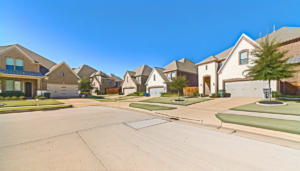
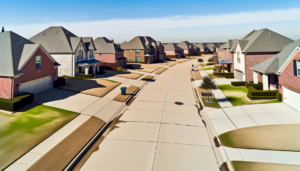
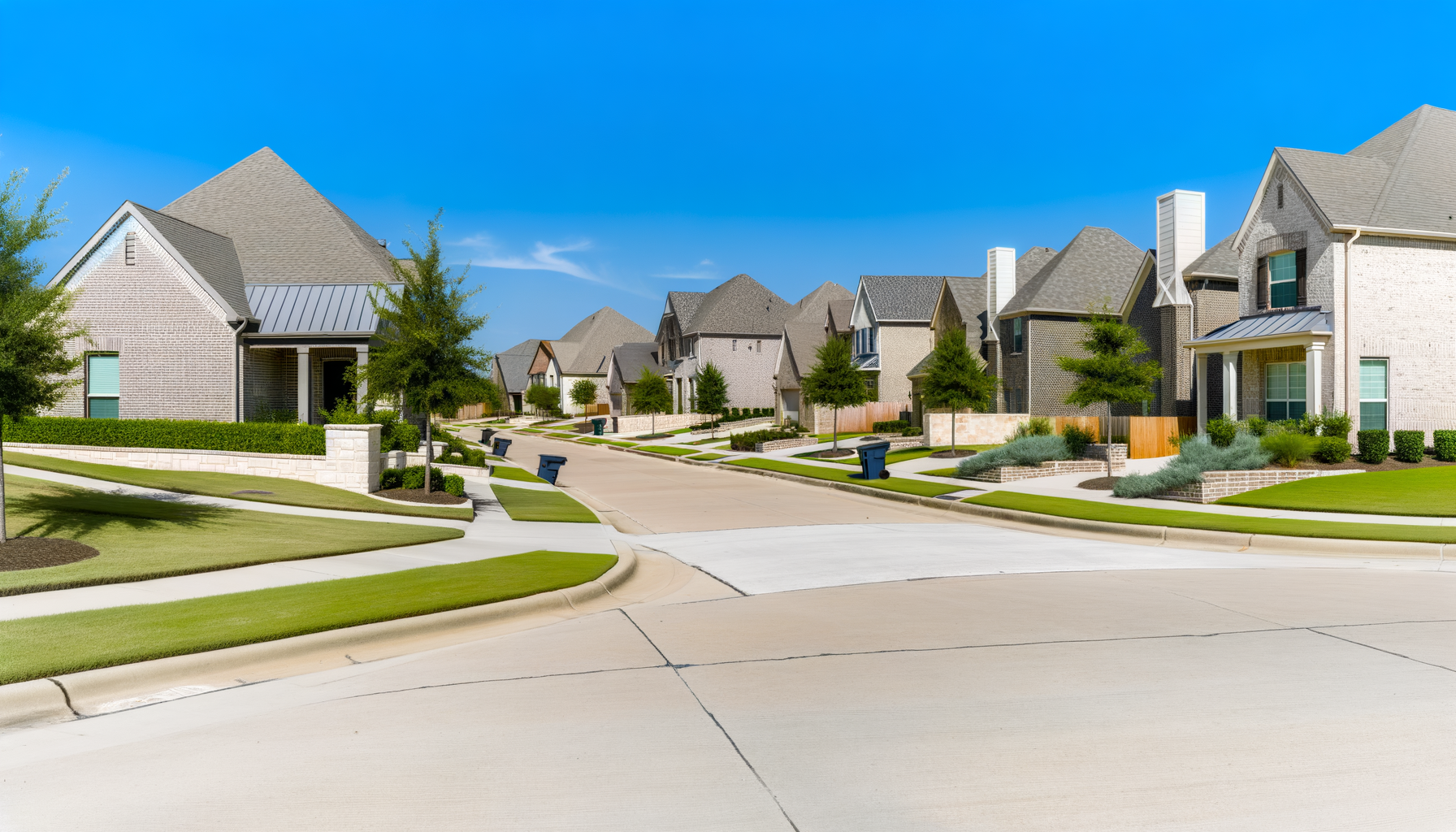
Housing in Plano spans several eras, from established 1970s ranch-style homes to luxury estates built more recently on the west side. The central and eastern sections include many mature subdivisions with mature trees and stable values, while western Plano leans toward larger homes and remodeled layouts.
On the city’s northwestern side, Willow Bend West is known for expansive homes and proximity to Legacy business corridors, offering convenience for those who work nearby. Farther north, Ridgeview Ranch Estates draws buyers who prefer a golf-course community setting with newer construction relative to other parts of Plano. Meanwhile, Deerfield offers large, well-kept properties in a location central to shopping and dining, with consistent resale appeal.
Each side of Plano carries subtle differences. West Plano leans higher in price with executive-style housing, while the central and eastern neighborhoods reflect earlier development patterns and remodeling opportunities. Understanding these tradeoffs helps buyers pinpoint where they’ll find the best fit within the broader Plano market.
Cost Versus Value in Plano
Plano’s pricing reflects its maturity and desirability. Buyers pay more on a per-square-foot basis than in many newer suburbs, but in return they gain stronger resale predictability, established infrastructure, and less construction disruption nearby.
Those comparing Plano to areas farther north should consider ongoing maintenance costs as well. Older homes may require updates, yet the underlying land value often offsets that investment. Buyers focused on long-term appreciation tend to see Plano’s pricing as justified by consistency and access.
Sellers benefit from a reliable buyer pool, especially for homes that have been updated with modern finishes. Even in slower markets, well-presented Plano listings often stand out due to limited supply in desirable locations.
Who Should Consider Living in Plano
Plano works well for those who value convenience, predictability, and access to amenities without being deep in suburban sprawl. Professionals who work in nearby corporate campuses appreciate not having to commute across multiple suburbs. Homeowners looking for established streets, mature landscaping, and consistent upkeep generally find Plano appealing.
Those wanting large-scale new developments or lower price points might lean toward northern suburbs like Prosper or Celina. But for buyers seeking a balance between accessibility and stability, Plano continues to deliver a strong mix of features that are increasingly hard to replicate in newer markets.
Making the decision often comes down to what you value most — newer construction or mature community structure. Understanding that tradeoff helps you approach the market confidently and focus on neighborhoods that align with your priorities.
About Dustin Pitts | Plano Real Estate Agent
As a Plano real estate agent, I focus on helping buyers and sellers navigate this unique market with clarity and strategy. My approach is grounded in local experience — advising clients not just on property features but on how each Plano neighborhood performs over time.
Whether you’re upgrading within Plano or relocating from outside the area, having an agent who understands how the city’s history affects its housing patterns makes a measurable difference in results.
If you’re ready to explore your next move or learn more about current opportunities, reach out for real estate help in Plano and start your search with insight from someone who knows the market block by block.