Relocating to Frisco has become a top consideration for many North Texas homebuyers who want suburban conveniences while staying within reach of major employment hubs. The city has seen tremendous growth, but even with that pace, Frisco maintains a level of planning and community design that shapes everyday life in real, noticeable ways. Deciding whether it’s the right place for you comes down to location, lifestyle, and housing fit more than just popularity rankings.

This guide breaks down what to expect if you’re thinking about moving to Frisco—how the city fits into the larger Dallas metro area, what daily living feels like, and how different neighborhoods align with specific buyer goals. Whether you’re headed here for work, space, or long-term investment potential, understanding Frisco at a practical level helps you make a confident move.
Where Is Frisco and What Should You Know First?
Frisco sits about 25 miles north of downtown Dallas, positioned between the Dallas North Tollway and U.S. Highway 75, with State Highway 121 cutting across its southern edge. The city borders Plano, McKinney, and The Colony, giving residents quick access to several major corporate corridors. Because of this location, daily travel patterns often revolve around north-south connectivity—especially for those commuting toward Plano, Legacy West, or the broader Dallas area.
When evaluating Frisco as a relocation destination, it’s worth considering how its location places you near business, retail, and recreation clusters without being in the middle of Dallas-area congestion. For many homebuyers, that balance—a city with resources close by but without a constant urban pulse—is the appeal.
What It’s Like Living in Frisco
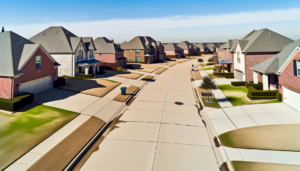
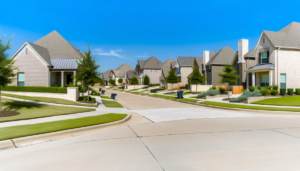
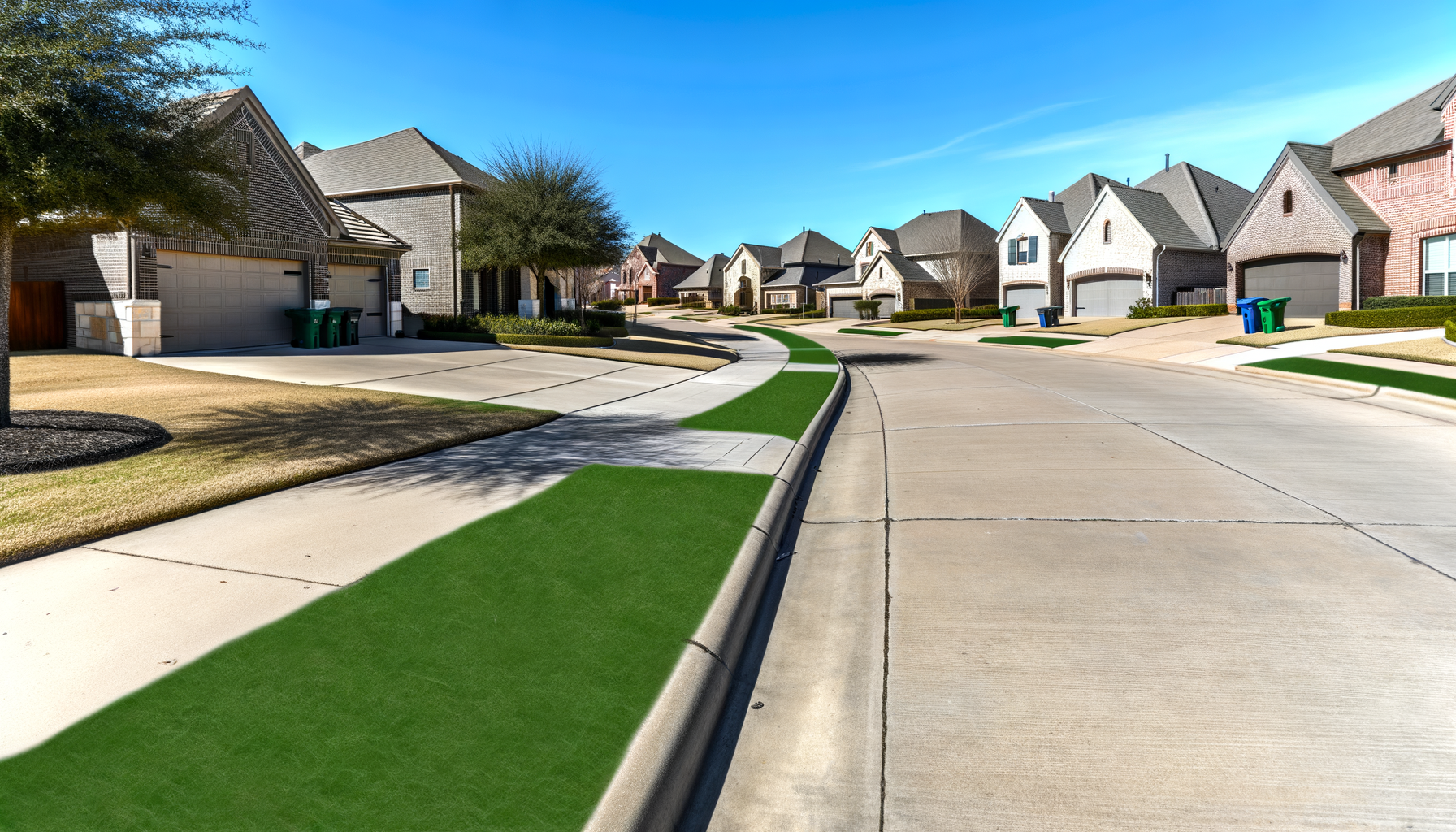
Frisco’s residential map tells the story of its growth. The southern and central parts developed earlier, built around master-planned communities with organized amenities, while northern Frisco continues to evolve with new home construction and expanding infrastructure. The city’s design leans toward well-managed residential zones, often buffered by trails, parks, and retail clusters, which helps maintain a structured feel even as the population grows.
The overall pace of the area is active but not hurried. Residents often find themselves taking advantage of nearby sports facilities, dining, and city events spread strategically throughout Frisco’s footprint rather than concentrated in a single downtown area. This development style gives everyday life a decentralized rhythm—multiple local hubs instead of one center of activity.
Neighborhoods and Areas to Consider in Frisco
Neighborhood selection in Frisco usually comes down to what kind of environment you prefer—established versus new, gated versus open, or proximity to certain roadways or shopping districts. Communities vary in layout, home design, and scale, yet all reflect Frisco’s consistent planning standards.
The Grove represents one of the more recent east-side developments, emphasizing modern architecture and outdoor integration. Many buyers looking here appreciate the tree-lined streets and emphasis on community connectivity, with quick routes toward State Highway 121 and the neighboring cities of Allen and McKinney.
On Frisco’s west side, Starwood remains one of the city’s most recognizable gated communities. It appeals to buyers who prioritize privacy and mature landscaping within a short distance of the Dallas North Tollway. Homes are well-established, and the area has a consistent reputation for maintenance and long-term value stability.
Meanwhile, Richwoods has drawn attention for newer builds and modern design standards within a gated setting. The neighborhood sits near the Tollway and 121 interchange, offering accessibility paired with a sense of uniform development. Buyers comparing across these areas often weigh the tradeoff between established ambience in Starwood and newer design in Richwoods.
Commute, Accessibility, and Daily Convenience
Accessibility defines how most Frisco residents navigate the region. The Dallas North Tollway is the primary north-south route, providing direct connection toward Plano, Addison, and downtown Dallas. State Highway 121 runs east-west, linking Frisco to McKinney and The Colony. Many homeowners tailor their location choice to minimize time on these main corridors, especially if they work in north Plano or the Legacy area.
Inside city limits, Frisco’s road system is newer and wider than in many older suburbs, but traffic still peaks near business hours on the Tollway and Preston Road. Most retail and dining hubs are concentrated along these routes, placing daily errands within quick reach but also adding congestion at major intersections.
Housing Options in Frisco
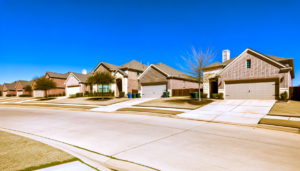
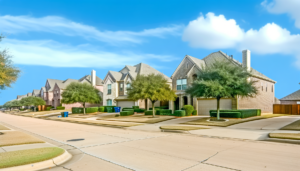
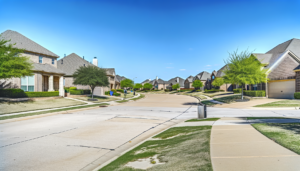
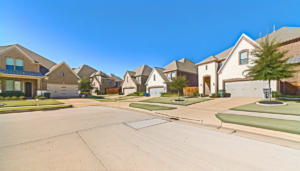
Housing styles in Frisco range broadly, from expansive traditional homes on larger lots to newer construction with compact designs that prioritize efficiency. Southern neighborhoods feature homes built during the late 1990s and early 2000s, many with established landscaping and mature trees. Northern developments are newer, mixing single-family houses with townhome clusters as land availability tightens.
As a buyer, the main variables in Frisco housing are age, lot size, and location relative to main highways. The city’s consistent development standards mean even entry-level neighborhoods maintain curb appeal and community upkeep. Those seeking long-term resale value often look near the Tollway corridor due to continued infrastructure investment and proximity to major employers.
What to Know Before Moving to Frisco
Relocating to Frisco means balancing competitive housing demand with realistic expectations about growth. The city continues to build schools, roads, and retail to match population increases, but construction zones and phased developments can impact certain areas temporarily. Homebuyers should factor in these evolving surroundings when selecting a long-term property.
Property taxes in Frisco are generally on par with other Collin and Denton County suburbs, though they can vary depending on jurisdiction and improvement districts. Utility and HOA costs differ significantly between master-planned neighborhoods, so verifying monthly carrying costs early in your search helps prevent surprises.
Who Frisco Is Best For
Buyers who appreciate modern amenities, planned development, and predictable long-term infrastructure often see value in Frisco. Those who prioritize immediate access to Dallas might find Plano or Addison more efficient for daily commuting, but Frisco typically offers newer homes and larger community layouts in exchange for a slightly longer drive.
Investors and repeat buyers often choose Frisco for its historical appreciation consistency and the city’s careful approach to development. The mix of established neighborhoods and ongoing new construction makes it a suitable market for those seeking both livability and long-term property performance.
About Dustin Pitts | Frisco Real Estate Agent
As a Frisco real estate agent, Dustin Pitts works directly with buyers and sellers navigating relocation decisions across the city’s diverse neighborhoods. His approach focuses on practical insights—helping clients interpret market nuances, weigh tradeoffs between communities, and identify which areas best meet their priorities.
With years of hands-on experience in the Dallas area and firsthand knowledge of Frisco’s ongoing development, Dustin provides grounded guidance for anyone looking to make a strategic housing move in this part of North Texas.
If you’re planning to move, buy, or sell in the area, connect with Dustin Pitts for expert help in Frisco and straightforward advice on finding your best location and value within the city.