
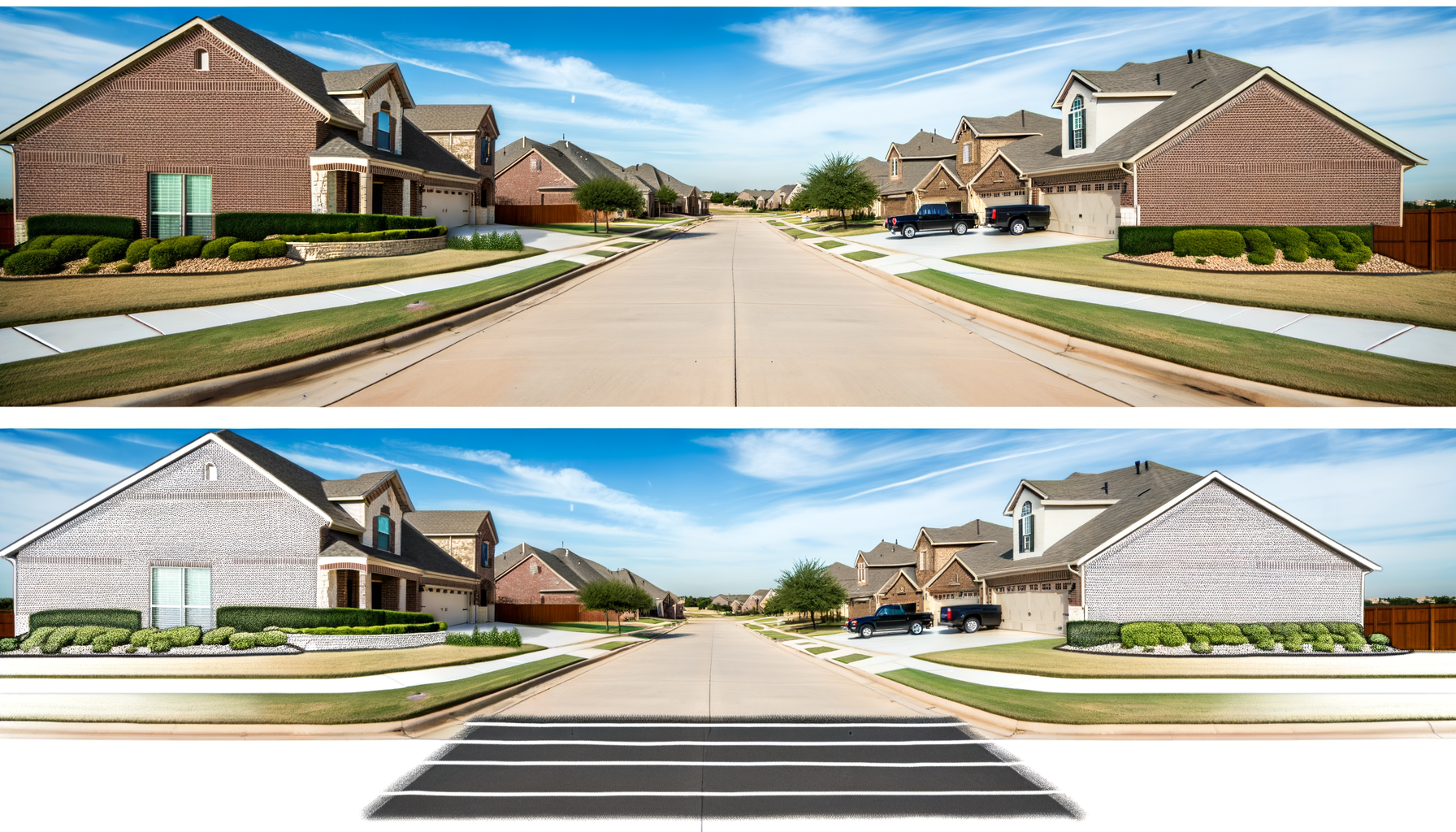
For many Dallas-area buyers, Prosper has become one of the most talked-about northern suburbs to consider. Its growth, newer housing developments, and location between major employment centers draw steady attention. Whether you’re moving from within Collin County or relocating from out of state, understanding the realities of living in Prosper helps you make an informed decision.

Prosper is known for its newer residential communities, quality infrastructure, and a layout that balances open land with master-planned neighborhoods. Yet, as with any fast-growing city, there are tradeoffs—especially related to pace of change, commute logistics, and cost. Let’s break down what daily life actually looks like here, including the pros, cons, and what to expect when comparing homes and neighborhoods.
What It’s Like Living in Prosper
Prosper feels newer than many neighboring towns because much of its residential inventory has been built within the last 15 years. Streets are wide, developments are well planned, and many subdivisions include community pools, green space, or walking paths. The town’s central corridor runs along Preston Road, where new commercial centers continue to expand with restaurants, small offices, and retail services.
Homebuyers often comment on the contrast between Prosper’s open landscape and the denser suburban buildout to the south. You’ll still see stretches of land between neighborhoods—though the pace of new construction means that’s changing quickly. Residents appreciate that the city manages growth carefully, but you should expect construction activity for years ahead as new projects fill in.
Pros of Living in Prosper
Several factors consistently stand out when clients talk about what they enjoy most after moving to Prosper:
- Newer housing stock with modern layouts and finishes
- Thoughtful city planning and infrastructure
- Convenient access to the Dallas North Tollway
- Ongoing retail and dining expansion along Preston Road
- Strong resale demand due to limited land availability
For buyers who prefer low-maintenance living and newer construction, Prosper provides more options than older suburbs closer to Dallas. Many homes have energy-efficient systems and open-concept floor plans that appeal to today’s market. Infrastructure improvements have mostly kept pace with growth, and the Tollway extension has made trips south toward Frisco or Plano more manageable.
From an investment standpoint, limited land and consistent buyer demand have supported stable home values. Even with economic fluctuations, Prosper tends to maintain buyer interest because of its modern neighborhoods and steady development of supporting retail.
Cons of Living in Prosper
While Prosper’s newer environment appeals to many, there are legitimate tradeoffs that you should consider before buying.
- Home prices are typically higher than older northern suburbs
- Ongoing construction and traffic along key connectors
- Limited local job base—most residents commute
- Retail and dining options still catching up with population growth
Cost is the most common hesitation. Even entry-level options can feel elevated compared with more established nearby towns. Infrastructure expansion sometimes struggles to keep up with development, particularly during peak building seasons. You’ll also need to factor in the practical reality that many residents drive south for daily work or services until Prosper’s business base broadens further.
For those expecting fully built-out conveniences, it can take time for new retail projects to reach completion. That said, steady commercial development along Preston Road and the Tollway corridor continues to improve convenience every year.
Housing and Neighborhood Options in Prosper
Prosper’s housing market is defined by newer planned communities, each with its own approach to amenities and design standards. On the west side near the Tollway, Star Trail features high-end custom and semi-custom construction with access to neighborhood recreation and upscale streetscapes. Homes there often appeal to buyers seeking larger lots and architectural consistency.
South of Prosper’s center, Light Farms Laurel Neighborhood is part of a massive master-planned community that connects several subdivisions through shared amenities and walking trails. It’s popular among buyers who appreciate an organized layout and active community association presence.
To the east, Gentle Creek Estates offers larger custom homes set along a golf course environment. This area attracts those who prefer spacing between homes and mature landscaping rather than the density of newer phases elsewhere in town. Each side of Prosper carries a slightly different vibe, so touring multiple neighborhoods helps determine which part suits your routine and expectations.
Cost Versus Value in Prosper
Price growth in Prosper reflects its transition from a developing suburb into a mature northern hub. Buyers pay a premium for newer infrastructure, larger homes, and strong resale reputation. The tradeoff is that you may get less square footage for the same budget compared with slightly older towns to the east or west.
However, those higher costs often come with long-term stability. Builders in Prosper maintain tighter design guidelines, and the city approaches zoning in a way that protects property values. For many clients, that predictability justifies the higher initial investment. When evaluating cost, consider not only the home itself but also the layout of the community, the available transportation routes, and the city’s ongoing growth strategy.
For buyers weighing value, visiting several parts of Prosper can reveal meaningful differences in lot size, construction type, and resale track record. Understanding those variations can have a bigger impact on long-term satisfaction than focusing purely on price per square foot.
Who Should Consider Living in Prosper
Prosper works well for buyers who prioritize space, predictability, and newer infrastructure over immediate proximity to major corporate campuses. It attracts those who like the balance between open feel and access to expanding retail corridors. The area’s ongoing construction can be a drawback for those seeking a fully built-out suburban environment, but for others, that growth signals future opportunity.
If you value newer properties and well-planned layouts—and are comfortable with a longer drive to major job centers—Prosper delivers a consistent lifestyle with a strong residential foundation. Buyers focused on long-term investment potential and modern amenities often find that Prosper checks key boxes despite the higher entry cost.
About Dustin Pitts | Prosper Real Estate Agent
As a local Prosper real estate agent, Dustin Pitts guides buyers and sellers through every phase of living and investing in this fast-growing community. With years of experience across Collin and Denton counties, he helps clients evaluate not just homes, but also how each neighborhood’s layout and development pace fits their goals.
Dustin’s approach focuses on clarity and negotiation strength, ensuring clients understand both the opportunities and tradeoffs when moving into Prosper. His direct insights into lot selection, builder quality, and resale positioning provide value long after closing day.
If you’re exploring a move or considering selling your home, reach out for expert real estate help in Prosper tailored to your timing and priorities.


