
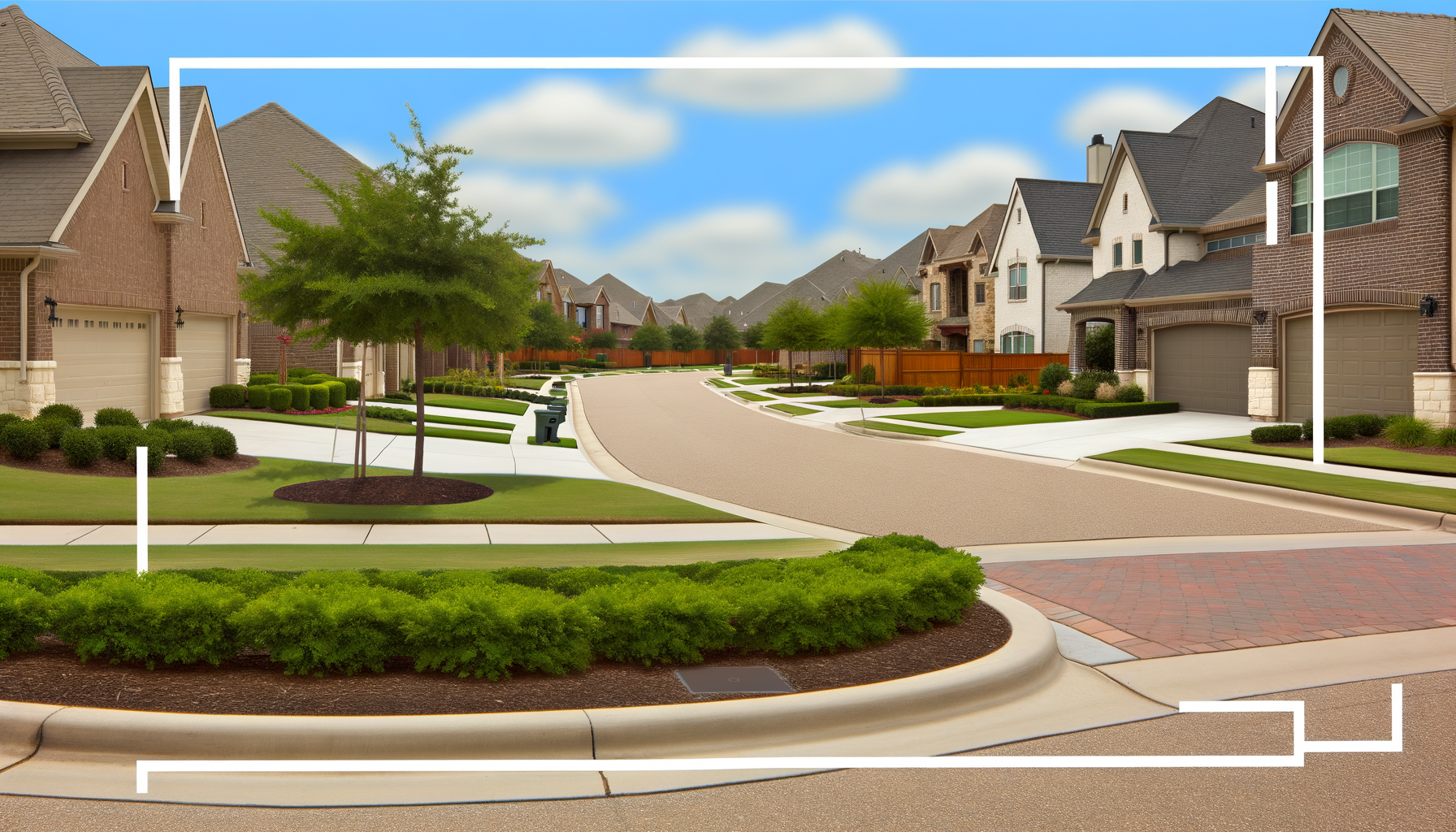
Many buyers searching north of Dallas weigh whether the commute from McKinney fits their daily routine. The city has grown steadily over the past two decades, developing a strong local job base while still connecting easily to U.S. 75 for those who head into central Dallas. Understanding what that drive actually looks like—where the slowdowns happen, how different neighborhoods position you for access, and what options exist for hybrid schedules—can make a real difference when choosing a home here. You can explore more about the area on the McKinney neighborhoods page for more background as you weigh location tradeoffs.

How the McKinney-to-Dallas Route Works
Nearly everyone commuting from McKinney into Dallas relies at least partly on U.S. Highway 75, known locally as Central Expressway. The corridor runs directly south through Allen, Plano, Richardson, and into downtown Dallas. It’s a convenient, straightforward route, but it’s also one of the busier arterials in North Texas, especially near the major interchanges around Plano Parkway and George Bush Turnpike.
If you’re heading downtown daily during standard office hours, it’s important to factor in both rush-hour congestion and the reality that traffic backs up earlier than many expect. Early-morning departures before 7 a.m. often move efficiently; after that, the slowdown typically builds through Richardson and SMU Boulevard. Choosing a home with easy highway access—without weaving through multiple neighborhood signals—becomes a valuable advantage.
Alternatives and Hybrid Commuting
Many McKinney residents no longer drive the full route every day. A growing number have hybrid schedules or use park-and-ride facilities closer to Plano or Allen. Some drivers also split the trip by taking advantage of DART rail routes that connect south from Parker Road Station in Plano. While McKinney doesn’t have DART rail service directly, reaching that terminal from most west-side neighborhoods is straightforward via Ridge Road or Alma Road.
Those who occasionally work downtown often plan their trips early in the week and schedule local meetings or remote work later on, reducing time spent in weekday traffic. It’s worth understanding these patterns early—many buyers underestimate how much they can control commute fatigue by aligning their schedule rather than moving farther south right away.
Neighborhood Access Within McKinney
Because McKinney covers a large area, your specific neighborhood strongly influences how long you’ll spend on the road before ever merging onto U.S. 75. East and central neighborhoods usually connect faster to the main freeway, while some of the newer communities on the north and west sides emphasize local amenities and planned retail centers that make staying close to home more appealing.
For instance, Tucker Hill sits just west of U.S. 75 and north of Virginia Parkway, making it one of the more accessible west-side neighborhoods for daily commuters. Its internal street layout allows quick east-west connections toward U.S. 75 without having to wind through lengthy side roads. On the other hand, Trinity Falls lies several miles farther north, near U.S. 75 and Laud Howell Parkway. The community’s distance gives it a more open feel, but it also means you’ll spend a few additional minutes reaching the freeway. Buyers who travel south frequently should weigh that distance against the larger home sites and newer construction typical in that area.
Craig Ranch—on McKinney’s far southwest side near the border with Allen and Frisco—offers an entirely different commute dynamic. From there, drivers can access both S.H. 121 and U.S. 75 within a short stretch, creating flexibility depending on traffic and destination. For professionals heading to Legacy West or corporate campuses along 121, Craig Ranch often shortens daily travel significantly compared to neighborhoods farther north. Choosing between these areas often comes down to which corridor—75 or 121—best matches your typical weekday route.
Balancing Commute and Lifestyle Patterns
When evaluating commute distance, McKinney buyers often realize they’re balancing two priorities: a reachable Dallas connection and the style of living they want within city limits. The farther north you go, the more room you’ll typically get for your budget, along with newer master-planned layouts. Closer to U.S. 75, the tradeoff may be smaller lots but easier access.
It’s not just about distance, though. Many residents find that daily routes along Virginia Parkway, Louisiana Street, or Eldorado Parkway can add or subtract meaningful time depending on traffic lights and ongoing construction. During your home search, driving these routes during your actual potential commute hours is one of the simplest ways to see what living there would feel like day-to-day. Mapping services give a general sense, but experiential testing—at the same time of day you’d travel—uncovers the real pattern of slowdowns.
How Buyers Weigh Commute vs. Value
The consistent theme I see when helping clients who work in Dallas but want more space is that commute comfort zones shift once they experience McKinney living. At first, most assume they want the shortest possible drive. But after exploring newer neighborhoods, local rec centers, and dining areas near historic downtown McKinney, some decide that an extra 10 or 15 minutes each way is acceptable given the home style and environment they gain.
The key question isn’t just “How long does it take me to get to work?” but “How often will I actually make that drive?” As hybrid and flexible work setups continue, commute patterns matter differently today than they did five years ago. What you spend more time on—weekend errands, remote work at home, or occasional city trips—should guide your location decision more than a bare mileage calculation alone.
Planning Your Move Strategically
Before you start touring homes, outline how your work schedule, potential office days, and target destinations fit together. This helps narrow which McKinney neighborhoods make sense for your routine. East and southwest sections near 75 and 121 work well for consistent Dallas commuters. North and far-west areas may fit better for those with hybrid schedules who value quieter streets and larger lots over pure commute efficiency.
Because traffic patterns, future highway expansions, and planned retail corridors can affect daily driving time, it helps to review upcoming infrastructure projects before deciding. Even small adjustments—such as a new frontage road or signal redesign—can change which streets become local shortcuts. A knowledgeable McKinney Realtor can walk you through how those updates intersect with your preferred commute route and neighborhood search.
About Dustin Pitts | McKinney Real Estate Agent
As a longtime North Texas Realtor, I specialize in guiding clients through the details that shape real-life decisions, not just listings on paper. My role as a McKinney real estate agent includes helping buyers evaluate commute patterns, local infrastructure, and neighborhood access points so their next move supports how they actually live and work.
With years of experience across Collin County, I’ve assisted clients purchasing new construction in master-planned areas as well as established homes near downtown McKinney. Whether you’re relocating for work or moving within the metroplex, I focus on identifying locations that match your lifestyle priorities while keeping long-term resale value in mind.
If you’re planning a move or considering selling a home, let’s talk about how your daily schedule and location goals align. Reach out today for expert real estate help in McKinney and start comparing which areas best support your next chapter.


