
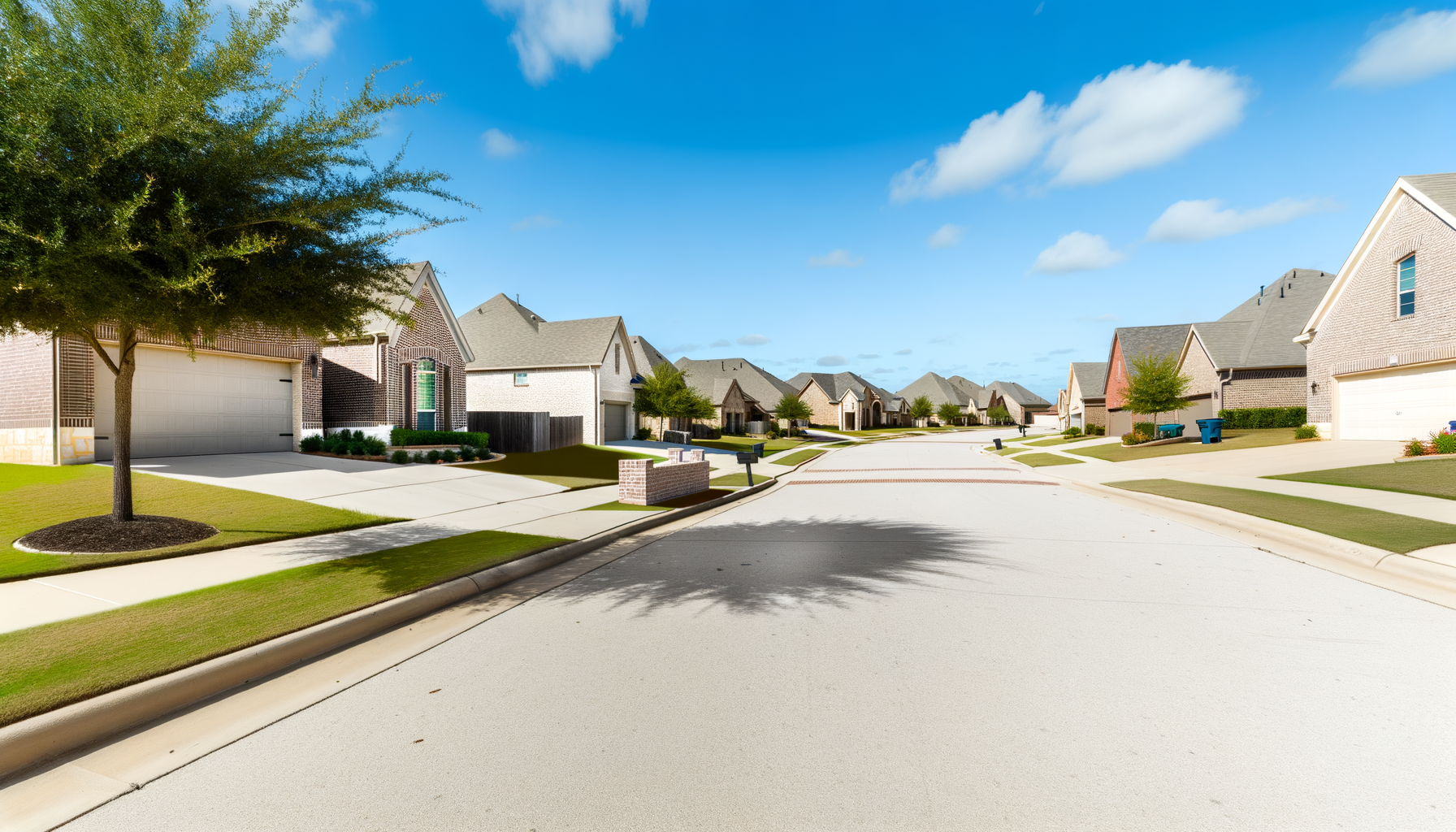
Buyers comparing Dallas suburbs often ask whether Murphy sits on the higher or lower end of the price spectrum. The question makes sense — Murphy offers a suburban setting with established neighborhoods and relatively newer construction than some older inner-ring suburbs. This article breaks down what “expensive” really means in Murphy by looking at its housing costs, ownership expenses, and how it stacks up against nearby communities. You can browse current details about Murphy neighborhoods here to get a sense of layout and variety before diving into the details below.

Understanding cost of living in Murphy takes more than comparing list prices. Buyers need to think about property features, lot sizes, homeowners’ association fees, and long-term upkeep. We’ll look at how these pieces fit together so you can decide whether pricing in Murphy aligns with your budget and expectations.
How Expensive Is Murphy, TX?
When you look at the Dallas metro as a whole, Murphy typically falls in the middle-to-upper range of suburban prices. It isn’t as high as close-in suburbs like Plano’s legacy developments, but it often runs higher than less-developed areas east or northeast of town. The city’s layout — largely built-out with limited land left for large-scale new construction — helps keep values strong.
Buyers often find that Murphy homes offer more square footage and larger yards than newer communities farther out. The tradeoff is a higher initial purchase price and ongoing maintenance totaling more than what you might find in smaller-lot subdivisions elsewhere. Murphy’s city services and infrastructure quality also play into the total cost of ownership, which can influence both short- and long-term affordability.
Housing Costs in Murphy
Housing in Murphy primarily consists of single-family homes built between the early 2000s and late 2010s, with some newer infill construction appearing in smaller subdivisions. Prices vary primarily by age, condition, and lot size rather than a wide range of property types. For example, homes in Maxwell Creek North tend to feature larger lots and more updated finishes, leading to higher sale prices compared with similar square footage in older sectors.
In neighborhoods like Windy Hill Farms, buyers often see mid-2000s construction with layouts that appeal to those wanting established streets and mature landscaping. Homes here can offer solid value relative to newer developments because the community’s infrastructure and amenities are already fully developed. Meanwhile, Hunters Landing features larger two-story homes with yard space oriented for privacy, which attracts buyers who place more emphasis on separation from neighboring properties.
Because Murphy doesn’t have much attached housing or new starter-home inventory, entry points tend to be higher. However, maintenance quality across the city helps retain property values, a factor that matters for long-term owners thinking about appreciation trends and resale.
Property Taxes and Ownership Costs in Murphy
Like most Collin County cities, Murphy’s property taxes form a major part of total ownership costs. Rates vary slightly by subdivision based on any municipal or special district fees connected to that area. Buyers should plan ahead by reviewing annual tax assessments to confirm how much local levies add to monthly payments.
Many Murphy properties fall under homeowner associations that maintain shared spaces or community amenities. HOA fees here vary, but they usually cover upkeep of entrances, parks, and sometimes pools. Before purchasing, reviewing HOA bylaws clarifies fee structures and improvement obligations that might affect your ownership costs.
Insurance premiums also influence total cost, particularly for homes with higher replacement values. Because Murphy is largely composed of larger single-family homes with brick construction, coverage costs depend more on square footage and material quality than unique environmental factors.
Monthly Cost Breakdown to Think About
While home price grabs the most attention, living comfortably in Murphy depends on anticipating every recurring cost. Buyers should budget for the following categories:
- Mortgage and interest: Principal and interest will shift with down payment and credit profile.
- Property taxes: Collin County rates directly impact your monthly escrow amount.
- Homeowners insurance: Premiums depend on property value, coverage level, and deductibles.
- Utilities and city services: Murphy manages its own water and trash utilities, which can differ from neighboring cities.
- Maintenance and HOA fees: Each neighborhood has different expectations for exterior upkeep, fencing, and landscaping.
Factoring these monthly obligations alongside your mortgage ensures the affordability picture reflects real conditions rather than list prices alone. Reviewing comparable properties through the Murphy community listings can help refine these estimates before making offers.
How Murphy Compares to Nearby Areas
Compared to nearby Wylie, Sachse, or Parker, Murphy generally commands slightly higher price points for similar square footage. The difference lies in its built-out city structure, consistent lot sizes, and access to major employment corridors. While you might save by looking a few miles east, many buyers see long-term stability in Murphy’s established neighborhoods as worth the premium.
The tradeoff often comes down to lot size versus price growth potential. Farther-out areas might provide initial savings but could take longer to mature in resale value. Murphy has less available land, which tends to support steady pricing and helps homeowners preserve equity even as regional growth patterns shift.
Is Murphy Worth the Cost?
Whether Murphy is “expensive” depends on how you weigh home size, community maturity, and proximity to the central metro. Buyers who prioritize larger homes with established infrastructure often decide the higher entry point is justified. The city’s consistent property standards and convenient access to Plano and Richardson employment centers help sustain demand.
On the other hand, anyone seeking entry-level pricing or townhome living may find inventory limited. Murphy’s allure lies in its lower density, larger lots, and long-term stability rather than bargain pricing. For many local buyers, those features justify a higher upfront investment — especially when looking years ahead at resale potential and maintenance predictability.
About Dustin Pitts | Murphy Real Estate Agent
As a local Murphy real estate agent, Dustin Pitts helps buyers and sellers assess value beyond list prices — from evaluating tax impacts to comparing subdivision-level differences in upkeep and amenities. Having worked extensively in Collin County, Dustin approaches each transaction with a focus on local data, neighborhood layout, and what details most affect long-term returns.
Dustin’s experience with resale and new construction properties across Murphy allows clients to weigh the true cost of ownership, not just purchase price. His guidance helps clients choose homes that align with both lifestyle and financial goals while avoiding surprises during the ownership cycle.
If you’re ready to discuss pricing, value, and resale outlook for homes in Murphy, reach out today for personalized real estate help in Murphy and get a clear plan for your next move.


