
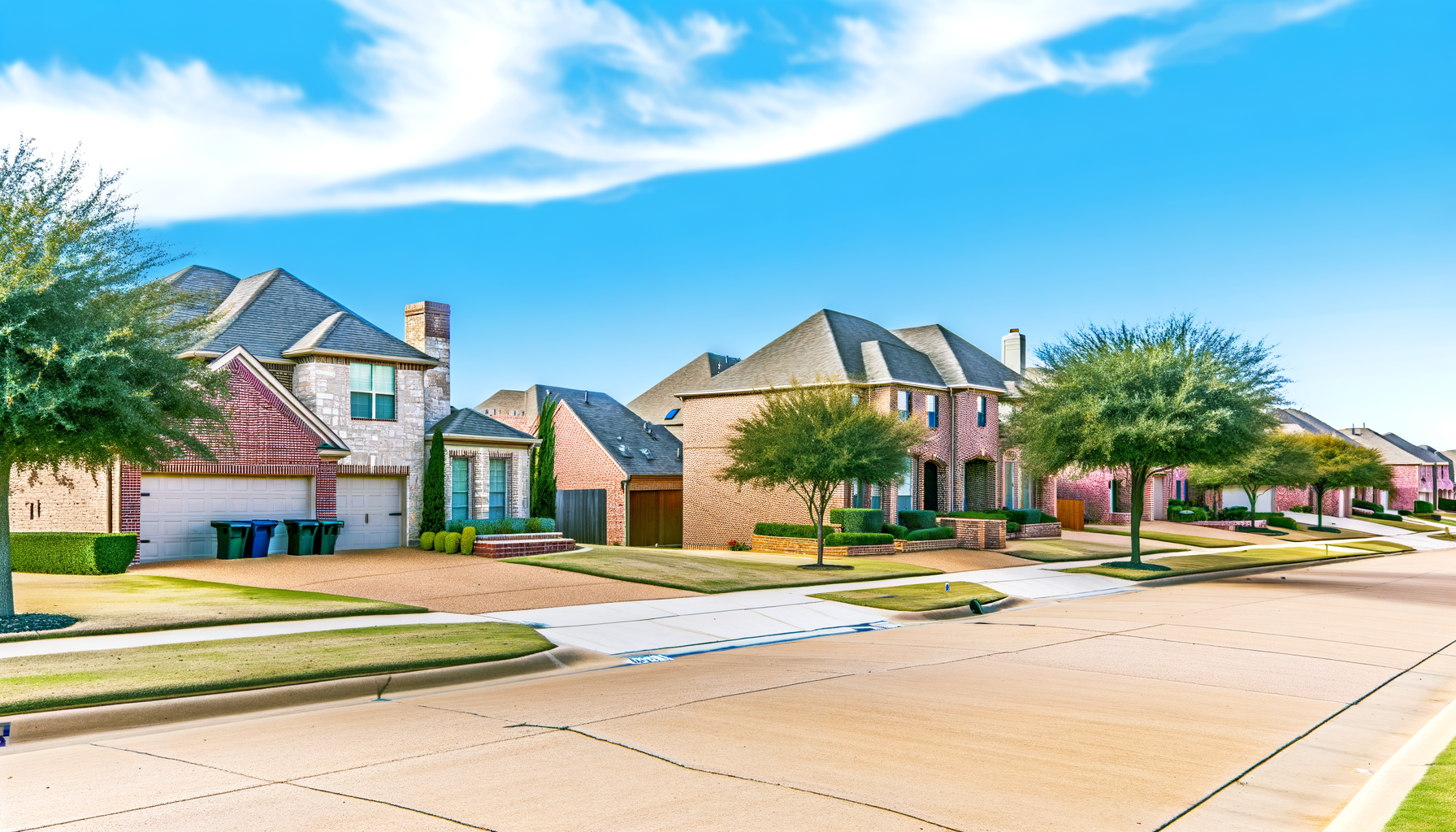
Many buyers considering a move to North Dallas eventually ask whether Richardson is an expensive place to live. It’s a fair question—this suburb sits between more affordable pockets to the north and older, higher-cost areas closer to downtown Dallas. The cost structure in Richardson depends heavily on which part of the city you’re evaluating, the age of the home, and how updated it is.

For those comparing Richardson to nearby suburbs like Plano or Garland, the cost difference isn’t just about home prices. Property taxes, HOA obligations, and the city’s mix of older and newer housing all affect what “expensive” means here. Understanding these distinctions is key to deciding whether Richardson fits your budget or lifestyle goals.
Below, we’ll take a closer look at what drives cost in Richardson—from home values to ownership expenses—so you have a realistic sense of how far your money goes.
How Expensive Is Richardson, TX?
Richardson tends to sit in the mid-to-upper range for housing costs among Dallas suburbs. Compared with Garland or parts of Plano, the price point per square foot is often higher for the same home age and size, primarily due to Richardson’s central location and established neighborhoods. However, it’s still typically more affordable than newer North Dallas communities like Frisco or Allen, where newer construction carries a premium.
The city’s infrastructure, tree-lined streets, and proximity to major employers help sustain property values. It’s not necessarily the lowest-cost option, but buyers often see that reflected in stable resale potential and lower turnover within established neighborhoods.
Housing Costs in Richardson
Housing in Richardson varies widely between mid-century homes in central areas and newer construction on the eastern edge of the city. In neighborhoods near Coit and Campbell, many lots feature mature trees and remodeled ranch-style homes, while eastern Richardson has subdivisions built later, often offering larger footprints and more contemporary layouts.
Prairie Creek Meadows represents one of the more sought-after sections in Richardson, where established properties are well-kept and often updated. The cost per square foot here can trend higher, reflecting both renovation quality and proximity to parks and major arteries. Buyers drawn to peaceful settings and large lots usually find this type of community appealing but should factor in higher maintenance and landscaping costs tied to older homes.
On the other hand, Hills Of Breckinridge on the east side generally offers newer construction, slightly larger footprints, and planned community layouts with HOA oversight. Homes here tend to have more modern features and lower immediate maintenance costs, though HOA dues add to monthly expenses. Another pocket, Creek Hollow Estates, strikes a balance with contemporary layouts on moderately sized lots, appealing to those who want space without the upkeep of large properties.
Across Richardson, pricing differences come down to age, updates, and lot size. Buyers seeking modern finishes without paying a premium for new construction often focus on renovated mid-century homes in west Richardson, while those prioritizing newer layouts tend to look farther east.
Property Taxes and Ownership Costs in Richardson
Beyond purchase price, the cost of owning in Richardson depends heavily on property taxes and insurance rates. Richardson’s property tax rate sits close to regional averages—but given consistent property value appreciation, annual tax bills can still feel significant. Older homes may have lower assessed values but can require more ongoing maintenance, which offsets some of that tax advantage.
Homeowners in planned subdivisions with HOA-managed amenities should factor those fees into their budgets. In neighborhoods such as Hills Of Breckinridge, these dues typically cover common-area maintenance and occasional neighborhood improvements. It’s an added line item but can help maintain overall curb appeal, influencing long-term property values.
Insurance rates in Richardson vary depending on roof type, lot elevation, and other risk-based factors. The area isn’t known for major flooding risks, but hail and wind events can influence premium levels. Buyers of older homes should also plan for occasional infrastructure updates like plumbing or electrical modernization.
Monthly Cost Breakdown to Think About
When evaluating whether Richardson is expensive, it helps to look at overall monthly obligations, not just mortgage payments. While home prices set the baseline, ongoing expenses can add up, particularly in older parts of town.
- Mortgage and taxes: Property tax payments are often escrowed, so they hit monthly budgets directly.
- HOA dues: More relevant in east Richardson communities with shared amenities or upkeep responsibilities.
- Utilities and services: Older homes can have higher utility costs due to original windows and insulation; modernized homes tend to fare better here.
- Maintenance: Landscaping, tree care, and general upkeep are recurring costs that vary depending on lot size and home age.
Factoring these into a budget gives a truer sense of affordability than focusing solely on listing price. For some buyers, a lower purchase price paired with high taxes or deferred maintenance can end up costing as much as a newer property with higher HOA dues but fewer repairs.
How Richardson Compares to Nearby Areas
In terms of affordability, Richardson tends to align closely with Plano’s older sections but sits above Garland in most measures of home value. Plano’s newer developments up north command higher prices due to modern layouts and planned retail corridors, while Garland’s wider range of older housing offers lower entry points but fewer turnkey options.
Proximity to major Dallas employment centers gives Richardson a logistical edge. For those commuting downtown or to Richardson’s Telecom Corridor, the city’s location reduces daily travel costs and time compared with outer suburbs. This accessibility often justifies the higher price point for local homeowners.
Is Richardson Worth the Cost?
Whether Richardson feels expensive depends on how buyers measure value. For many, the city’s established infrastructure, mature landscaping, and convenient access to Dallas justify the cost premium. Property appreciation trends have generally been steady, giving buyers confidence in their long-term investment.
The tradeoff usually comes down to home age: older neighborhoods require more upkeep but deliver stronger character and central location; newer communities on the eastern edge provide lower maintenance but include added HOA expenses. Most buyers find that once total monthly ownership costs are factored in, Richardson delivers solid value for its location and housing quality.
About Dustin Pitts | Richardson Real Estate Agent
As a Richardson real estate agent, Dustin Pitts has worked with both buyers and sellers navigating the city’s mix of established neighborhoods and newer developments. His experience spans original mid-century homes near central Richardson to modern properties near Breckinridge Park, giving clients practical insight into pricing, renovation potential, and long-term value.
He helps clients interpret hidden costs that often come with older homes and advises sellers on which updates translate into stronger returns. Having handled numerous transactions across Richardson’s different pockets, Dustin understands what makes each area unique from a market perspective—not just from an aesthetic one.
If you’re weighing a move or want a clear picture of what’s driving prices in your target neighborhoods, connect with Dustin Pitts for real estate help in Richardson. A short conversation can clarify current pricing patterns, ownership costs, and where your investment is likely to hold strongest long-term.


