
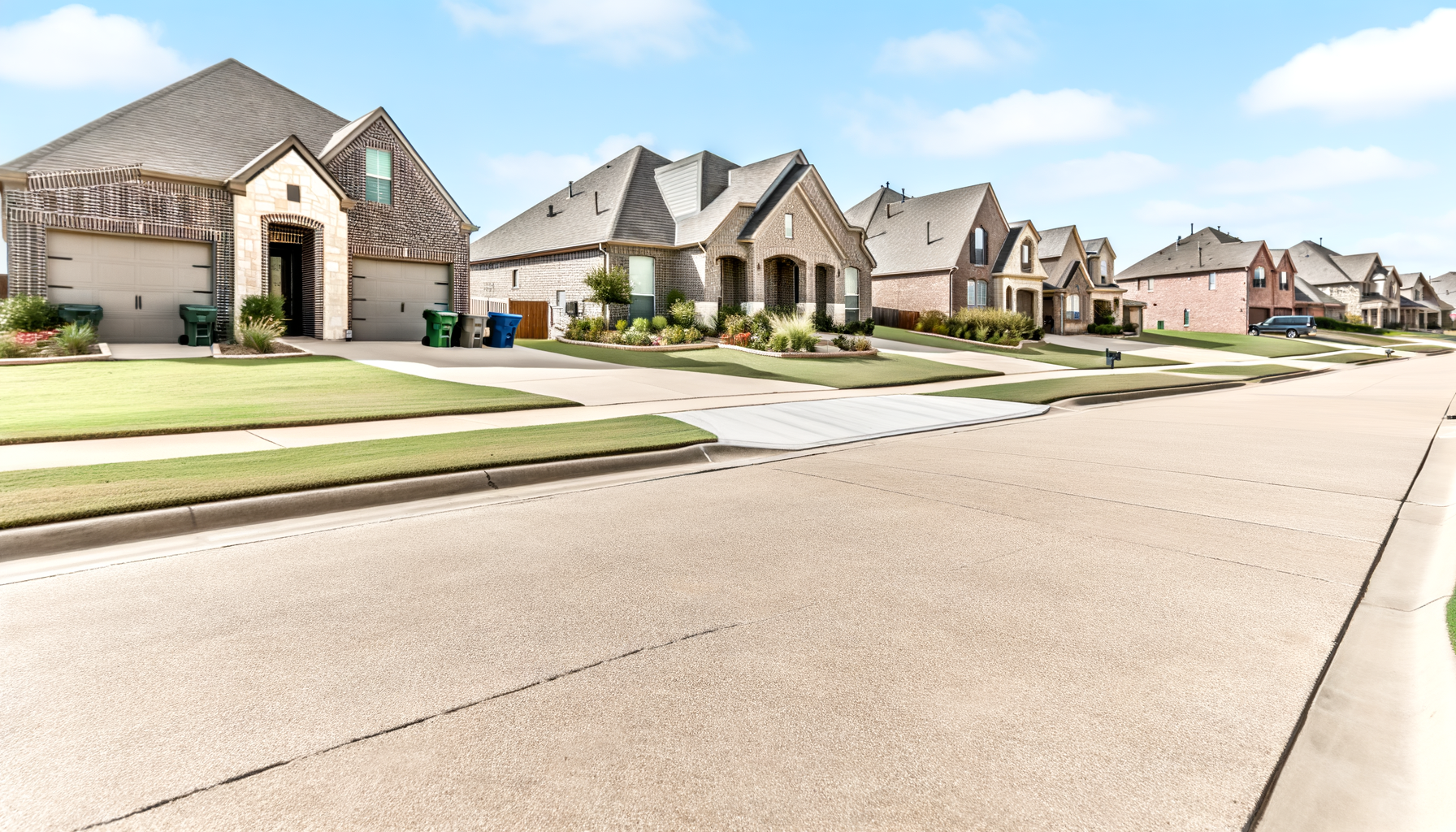
Evaluating the cost of living in St. Paul, TX means looking closely at how this small community manages to balance open space with access to the surrounding Collin County job centers. Many buyers come to St. Paul after considering larger nearby suburbs but choose it for its combination of newer housing, semi-rural atmosphere, and lake proximity. This 2026 guide takes a practical look at what it actually costs to live here — not only housing, but also taxes, utilities, and long-term ownership expenses.

Compared to other parts of the Dallas metro area, St. Paul remains a niche market. It feels more spread out than suburbs just west of US-75, which influences how utilities, commute costs, and property upkeep add up. For families or individuals planning a move, understanding how far your budget stretches here is key before making an offer.
How Expensive Is St. Paul, TX?
St. Paul generally sits in the mid-range of Collin County living costs. The town’s relative affordability compared to western suburbs like Allen or Plano comes mainly from more generous lot sizes and slightly fewer commercial services in town limits. Those two factors affect both the property tax rate and the ongoing costs of maintaining acreage or larger homes.
While some costs are comparable to other areas around Lake Lavon, St. Paul’s small size means fewer municipal services. Trash collection, utility providers, and internet carriers can vary depending on location within town. For most homeowners, that translates into a modestly lower cost of living overall, but with an expectation of more self-management around maintenance and utility coordination.
Housing Costs in St. Paul
Housing is the biggest factor in the St. Paul cost equation. The town features a mix of established homes built before the 2000s and newer construction found in planned communities such as Inspiration. The difference between older rural homes and newer subdivisions can be significant, both in purchase price and ongoing expenses.
In established areas, homes often sit on larger lots with private wells or septic systems. That setup can lower monthly utility bills but increase maintenance and inspection costs over time. In master-planned communities like Inspiration, residents typically have modern infrastructure, HOA-managed amenities, and consistent property upkeep standards that tend to hold long-term value but come with regular association dues.
Buyers deciding between an existing ranch-style property and newer construction should think about more than just the mortgage. Landscaping large lots, maintaining fencing, and handling any septic or well repairs all add to annual costs. Conversely, newer homes may carry higher purchase prices but reduced short-term maintenance and potentially lower insurance costs thanks to updated building codes.
Property Taxes and Ownership Costs in St. Paul
As with most of Collin County, property taxes are a significant ongoing expense in St. Paul. The town operates under the county’s general structure, which tends to be higher than national averages, but that revenue funds local infrastructure and emergency services more directly than in some unincorporated areas. Buyers should always verify the effective rate for their specific parcel since different utility or municipal districts can produce small variations.
Homeowner’s association fees apply primarily to communities with shared amenities or infrastructure, and these can range by a wide margin depending on amenities. For homeowners outside of HOA boundaries, costs such as water, trash, and road maintenance can feel more individualized but sometimes balance out due to the absence of monthly dues.
Insurance and maintenance also vary sharply between the older rural stock and newer developments. Properties with acreage or additional structures tend to require higher coverage limits. Wind and hail coverage are common policy focuses in this region, adding to the annual expense.
Monthly Cost Breakdown to Think About
Beyond the mortgage and taxes, a practical budget for living in St. Paul should account for several categories that vary more widely than in urban neighborhoods:
- Utilities: Some areas use private utility providers, which can affect rates for water and sewer service.
- HOA Dues: Common in planned neighborhoods but minimal or absent on private tracts.
- Maintenance: Larger lots mean higher time and cost investments for mowing, landscaping, and repairs.
- Transportation: With limited in-town commerce, fuel costs and travel time to stores or offices can add up.
- Insurance and Taxes: These costs scale with home size, year built, and parcel value.
Factoring these expenses up front helps ensure that your chosen home style and location match your monthly financial comfort level. In particular, utility differences can surprise first-time rural buyers moving from denser suburbs. Checking current provider quotes before closing avoids unexpected adjustments later.
How St. Paul Compares to Nearby Areas
Relative to nearby communities like Parker or Wylie, St. Paul maintains a more limited retail and commercial presence, which helps control traffic and density but can add to commute and shopping costs. Parker often commands higher land prices due to estate zoning, while Wylie’s greater retail infrastructure brings slightly higher utility demands and different local taxes.
Buyers often choose St. Paul when they want proximity to Lake Lavon without the higher turnover or volume that larger suburbs bring. It strikes a midpoint: more developed than unincorporated rural areas, yet still removed from the higher infrastructure costs of heavier suburban build-out. For many residents, that balance justifies the price point and monthly maintenance tradeoffs.
Is St. Paul Worth the Cost?
Whether St. Paul is worth the cost depends on how you prioritize space, privacy, and community scale. The town appeals to buyers seeking newer construction on sizable lots without the premium pricing typical of Collin County’s western suburbs. The slower-paced setting and room to expand come with a few pragmatic tradeoffs—chiefly higher self-management on maintenance and fewer city services.
For long-term homeowners, the value often lies in stability. Property appreciation has tracked with regional growth, and limited land area helps sustain demand. Owners who prefer planned developments have the option of HOA-managed living, while those wanting land or separate workshops can find larger parcels still within city limits. Considering these factors makes it easier to decide how St. Paul fits into your financial and lifestyle goals.
About Dustin Pitts | St. Paul Real Estate Agent
As a St. Paul real estate agent, Dustin Pitts helps clients evaluate home values and living costs specific to this community. His experience across Collin County means he understands how St. Paul’s semi-rural layout affects everything from pricing to long-term ownership costs, giving buyers and sellers clear insight before they act.
Dustin’s approach is hands-on — reviewing current market trends, property tax structures, and resale factors that matter most in smaller towns. His clients benefit from straightforward advice rooted in real transaction history rather than theory.
If you’re planning to buy or sell in St. Paul and want honest guidance on how costs shape your decision, reach out for real estate help in St. Paul today.


