
When buyers start comparing smaller Collin County cities to Dallas, cost of living usually tops the list of questions. St. Paul sits just north of the city but offers a noticeably different financial picture—both in home prices and day‑to‑day expenses. Understanding those differences before beginning a search can help buyers focus on neighborhoods that fit their overall budget and long‑term goals.

Both St. Paul and Dallas share access to major employment corridors and amenities throughout the Metroplex, but the way costs add up can look quite different. St. Paul’s limited commercial development and smaller footprint affect property taxes, utility costs, and even routine household expenses. In contrast, Dallas’ larger, denser environment brings more choices for dining, services, and transportation but also higher living costs in certain categories.
This breakdown looks at what it really costs to live in St. Paul versus Dallas—from housing and taxes to everyday spending—so buyers can weigh value against convenience and lifestyle fit.
How Expensive Is St. Paul, TX?
Compared with nearby suburbs and Dallas proper, St. Paul sits in a moderate price range for Collin County. The city’s growth has been steady but measured, which helps keep upward pressure on prices somewhat in check. Land availability and new construction contribute to a cost structure where space is easier to find than in most Dallas neighborhoods.
Waterfront proximity to Lake Lavon and fewer dense retail developments mean day‑to‑day spending is mostly focused on housing, utilities, and vehicle use. Grocery and service costs tend to track with the county average, while property‑related expenses often make the most noticeable impact on monthly budgets. The key factor is scale—larger lots and newer construction drive up ownership costs even when the price per square foot compares favorably to Dallas.
For buyers considering whether St. Paul fits their financial comfort zone, the balance comes down to tradeoffs. The city’s quieter pace may reduce entertainment and parking costs typical of Dallas living but can require longer drives for errands or work commutes.
Housing Costs in St. Paul
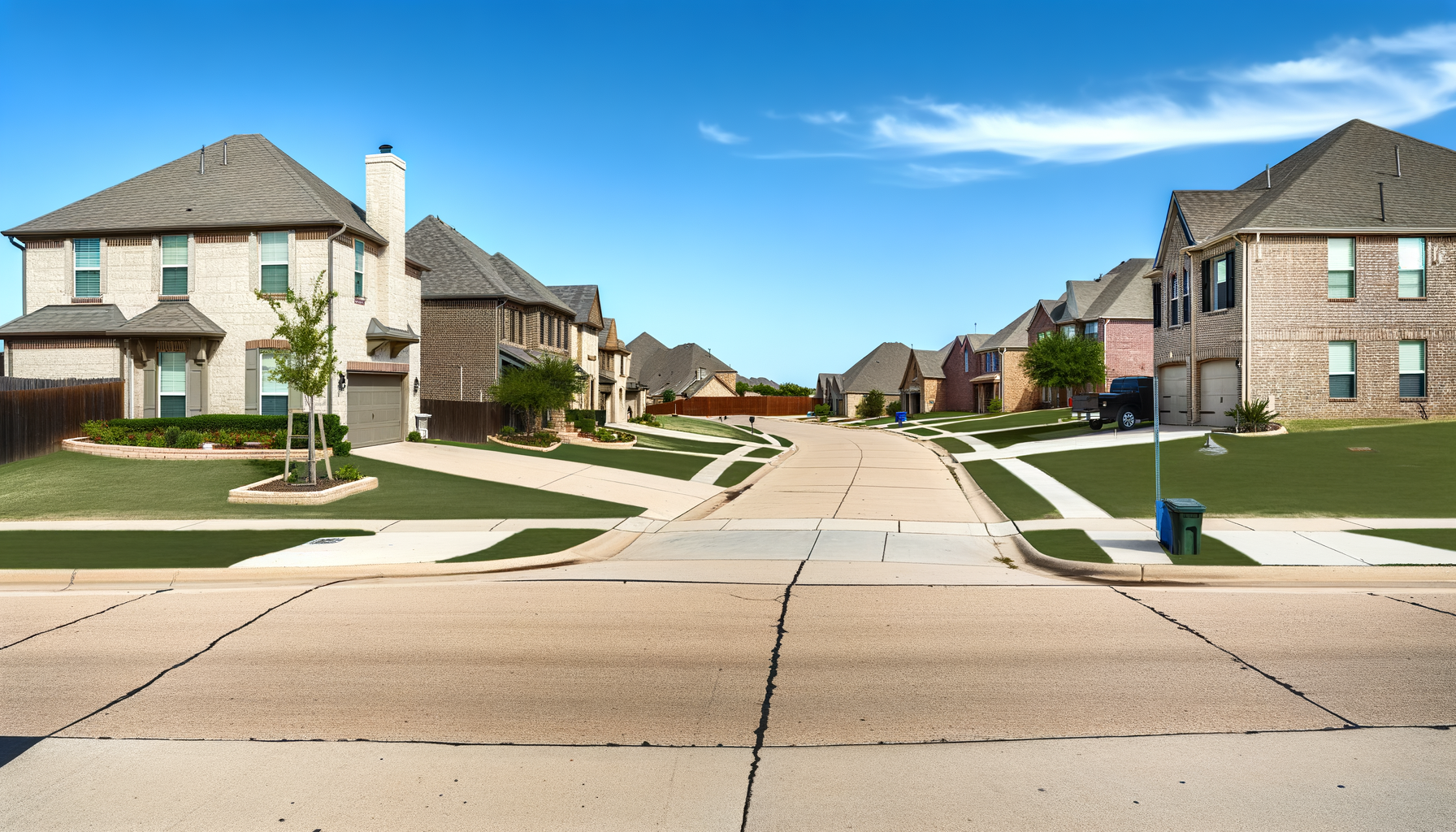
Housing is the defining cost difference between St. Paul and Dallas. Most homes in St. Paul are single‑family properties built within the last decade. Larger lot sizes are common, which often means higher overall property values even when construction styles are consistent with nearby towns. In Dallas, by contrast, buyers will find an immense range—from post‑war cottages near downtown to newly built infill homes with limited yard space—creating a far wider pricing spectrum.
Neighborhoods like Inspiration illustrate how St. Paul’s housing stock is developing. This area features master‑planned layouts with newer constructions, community amenities, and consistent property standards. Because of controlled growth and newer infrastructure, upkeep costs can be more predictable compared with some older Dallas neighborhoods where deferred maintenance or upgrades add to ownership expenses.
Older sections of St. Paul, though fewer in number, sometimes offer smaller properties at lower entry prices. These homes may need updates but can align well with buyers looking to capture long‑term value in a growing municipality. The choice largely depends on whether one prefers a modern turnkey environment or the flexibility of buying a smaller lot with room to personalize—a decision that heavily influences housing cost differences between the two cities.
Property Taxes and Ownership Costs in St. Paul
Property taxes in Collin County can be higher than in Dallas County, which affects total carrying costs in St. Paul. However, those who buy in newer neighborhoods often benefit from energy‑efficient construction that offsets some of the monthly utility load. Insurance premiums may vary depending on home age, roof type, and proximity to open water.
St. Paul includes several developments with homeowners’ associations. HOA fees can add to annual costs but typically cover the upkeep of shared spaces and entry features, reducing individual maintenance burdens. In Dallas, HOA requirements differ widely by neighborhood—urban condos, for example, may carry substantial monthly dues that exceed what most detached homeowners in St. Paul pay.
Buyers comparing both areas should calculate ownership cost using all factors together: taxes, insurance, utilities, maintenance, and community fees. This holistic view often reveals that while St. Paul’s home prices may appear higher on paper, the long‑term cost of ownership can remain competitive with Dallas depending on property specifics.
Monthly Cost Breakdown to Think About
Beyond mortgage or rent, monthly budgets vary due to lifestyle and location. In St. Paul, vehicle fuel, groceries, and routine services make up most recurring expenses, while in Dallas, dining, entertainment, and parking can substantially raise monthly outflow. When comparing the two, it helps to separate flexible costs from fixed obligations:
- Housing payments: Mortgage or rent, plus HOA dues where applicable
- Utilities: Electricity, water, and waste services often cost slightly more in lower‑density areas due to service reach
- Transportation: Longer drives from St. Paul to major employment hubs can increase fuel usage
- Insurance and taxes: These tend to be a bigger factor in St. Paul due to newer home values
- Discretionary spending: Shopping and dining options are denser in Dallas, which can influence spending habits
Evaluating these categories upfront gives a clearer projection of the real cost difference between the two areas, rather than just comparing list prices or mortgage estimates.
How St. Paul Compares to Nearby Areas
Relative to Dallas, St. Paul emphasizes space and newer construction over access and variety. Buyers drawn to suburban living often find St. Paul more affordable than close‑in Dallas suburbs like Plano or Richardson when comparing newer homes with similar finishes. The tradeoff typically comes in commute flexibility and proximity to major retail centers.
Dallas, meanwhile, can be more cost‑efficient for residents who value minimal driving or prefer established neighborhoods with mature infrastructure. However, limited lot sizes and higher property turnover create a different type of financial picture—lower yard maintenance but higher per‑square‑foot cost.
For those who plan long‑term ownership, the relative value of St. Paul’s land size and newer construction often offsets the less immediate access to urban amenities. These tradeoffs matter most for buyers prioritizing home space and privacy over being within walking distance to restaurants or nightlife.
Is St. Paul Worth the Cost?
Value in St. Paul comes from the kind of property you can secure for your investment. Larger footprints, newer building standards, and steady municipal growth all contribute to solid long‑term potential. For many, that outweighs the higher vehicle dependency or longer trip to shopping centers that comes with suburban life.
Comparing it to Dallas is essentially weighing square footage against convenience. Dallas provides quick access to offices and cultural venues, but its urban density generally translates into higher real estate prices per unit of space and often additional maintenance for older properties.
For buyers who prioritize newer housing, quiet surroundings, and predictable maintenance costs, St. Paul represents good value within the Collin County suburban spectrum. Each client’s balance of affordability and lifestyle will determine whether that tradeoff is worthwhile.
About Dustin Pitts | St. Paul Real Estate Agent
As a local agent experienced in both Dallas and Collin County, Dustin Pitts provides direct, data‑driven guidance for clients comparing suburban and urban markets. His hands‑on approach ensures buyers understand the full financial and practical picture before committing. Learn more about how Dustin helps with buying or selling in St. Paul and see how thoughtful analysis leads to stronger decisions in competitive North Texas markets.
Dustin’s background working with new construction and resale properties across the region means clients receive nuanced advice about ownership costs, tax structures, and timing the market. His goal is to match each buyer or seller with a strategy that fits their financial and lifestyle priorities.
Ready to explore homes or plan a sale in St. Paul? Reach out today for personalized insight and local guidance tailored to your needs. Start your next step with dedicated real estate help in St. Paul.


