
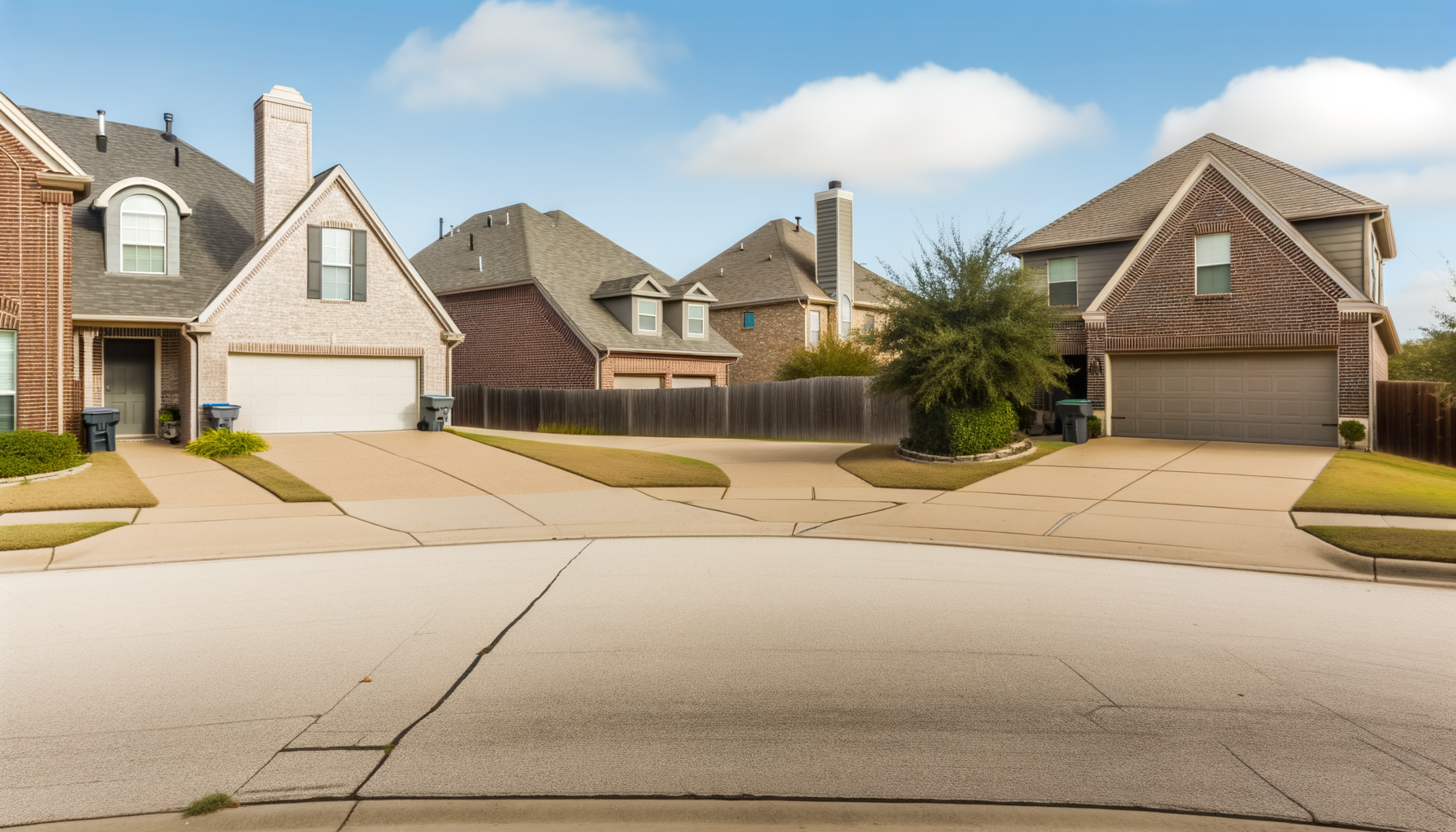
Buyers looking just north of Dallas often ask whether St. Paul, Texas, is an expensive place to live. It’s a fair question since this small Collin County town sits close to more developed suburbs with higher price tags. The answer depends largely on what kind of property you’re considering and how you define value—land, space, or convenience.

Compared with nearby cities with heavier infrastructure and retail access, St. Paul falls in a middle ground. You’ll find newer subdivisions mixed with long-established acreage homes, which means the cost of ownership can vary widely. Understanding how those differences play out across neighborhoods and property types will help you determine whether St. Paul fits your financial comfort zone and long-term plans.
For anyone evaluating the cost of living, it’s worth taking a measured look at housing costs, taxes, and overall monthly expenses. Each component impacts total affordability differently, and St. Paul’s layout—bordering Lake Lavon and surrounded by open land—creates a distinct set of tradeoffs. Those factors make this community stand out among the smaller, semi-rural corners of the Dallas area.
How Expensive Is St. Paul, TX?
In practical terms, St. Paul sits between suburban and semi-rural territory. It often attracts buyers who prefer more space than they might find in nearby cities such as Wylie or Murphy but still want proximity to commercial conveniences. That balance tends to keep prices steady—neither at the top of the Dallas suburban market nor among the cheapest per square foot.
Because of its limited commercial footprint and reliance on nearby cities for dining and retail, homeowners here pay primarily for land and residential character rather than urban-style amenities. Compared with master-planned areas deeper inside Collin County, St. Paul’s pricing often reflects the simplicity of its local services and the individuality of its homes. It’s not an expensive area by metro standards, but it does lean upward in cost when considering lot size and newer construction.
With continued development on the edges of Lake Lavon and a small inventory of available properties, housing demand has held strong. As a result, when listings appear in St. Paul, they tend to draw serious interest from buyers who value that open feel over dense neighborhood layouts.
Housing Costs in St. Paul
Housing in St. Paul spans from older single-story houses on large lots to master-planned communities blending modern design with shared amenities. The Inspiration neighborhood shows how newer phases of development have shaped the local market. Homes there feature modern layouts, larger square footage, and community amenities that increase long-term property value and ongoing HOA fees. For buyers comparing costs, that type of master-planned setting generally carries a higher price point than older, unincorporated areas nearby.
Outside of Inspiration, many properties in St. Paul are custom or semi-custom homes set on acreage or oversized lots. Those properties often appeal to buyers who want room to expand or build out workshops, additional garages, or outdoor amenities. While the purchase price may be higher up front due to land value, ongoing costs can be offset by lower HOA expenses or fewer community restrictions.
When evaluating housing costs, it helps to compare build age and maintenance levels. Newer subdivisions often require less upkeep but carry HOA dues and potentially higher property tax assessments due to improved infrastructure. In contrast, older homes on private lots can offer lower yearly dues but may require updates, fencing, or septic maintenance that affect actual monthly spending.
Property Taxes and Ownership Costs in St. Paul
Collin County’s property tax rates are among the more recognizable factors influencing homeownership costs. St. Paul’s rates are competitive compared to nearby incorporated cities, partly because the town’s smaller footprint keeps municipal expenses lower. That said, assessments reflect property improvements, so newer construction can increase total taxes owed even with a similar rate.
Homeowners need to plan for standard North Texas ownership costs: homeowners insurance sensitive to regional storm risks, landscaping upkeep during peak summer months, and potential HOA fees where applicable. In areas outside formal developments, well and septic systems introduce separate maintenance expenses that buyers should budget for annually.
Because there’s a mix of lot sizes and home types, two St. Paul homes of the same value might have very different carrying costs based on location, utilities, and association rules. Paying attention to these factors at the purchase stage helps avoid surprises after closing.
Monthly Cost Breakdown to Think About
Total cost of living goes beyond the mortgage payment. Prospective buyers should account for recurring expenses that can change the affordability picture once they move in.
- Utilities: Some homes rely on well water or septic systems, which changes the cost structure compared with city-managed utilities.
- HOA Dues: Planned communities such as Inspiration include collective services that raise monthly obligations.
- Maintenance: Acreage properties often require more upkeep for fencing, driveways, and landscaping equipment.
- Commuting Costs: St. Paul’s limited commercial area means many residents travel to nearby suburbs for work, which can influence gas and vehicle wear.
Factoring in these categories provides a clearer picture of the total monthly cost, beyond the listing price. A property that seems expensive initially may be less costly long-term if it’s newer, energy-efficient, or HOA-managed.
How St. Paul Compares to Nearby Areas
When compared to suburbs like Murphy or Wylie, St. Paul generally feels less built-up. That difference translates into varied pricing patterns—often higher per lot due to larger acreage but sometimes lower per square foot when adjusted for interior finish or age. The tradeoff lies between space and convenience. Murphys’s denser subdivisions may offer walkable access to shopping but with tighter lots and higher taxes.
In contrast, St. Paul appeals to buyers who prioritize open surroundings and fewer commercial developments nearby. That naturally means a bit more driving for errands but a quieter setting with room to personalize property layouts. Over time, that type of ownership can provide stable value because buildable land near the lake remains limited.
Within St. Paul itself, subdivision variety and individual lot size make it harder to generalize pricing. Buyers who examine several property types side by side will get the clearest sense of relative affordability.
Is St. Paul Worth the Cost?
Buyers choose St. Paul not only based on price but also on the environment it offers—open land, newer developments alongside custom-built homes, and a slower development pace compared with adjacent cities. The cost question usually turns on lifestyle priorities. A home in a structured subdivision with active amenities will cost more, while an older residence on acreage may have higher maintenance but lower overhead.
Ultimately, St. Paul’s value lies in balance. You gain extra room and a small-town feel without being far from Collin County’s retail and employment centers. For many, that blend makes the cost well justified. Understanding how each housing pocket fits within your budget is the best way to gauge whether it’s the right match.
About Dustin Pitts | St. Paul Real Estate Agent
As a local agent who supports buyers and sellers throughout Collin County, I offer real estate help in St. Paul for anyone evaluating cost, value, and neighborhood fit. Years of hands-on experience in this area allow me to guide clients through everything from subdivision dues to land-use potential before they make a purchase.
Working with a Realtor familiar with St. Paul’s specific property mix can clarify the financial side of ownership and reveal opportunities that online listings might overlook. From master-planned communities to custom homes near the lake, local insight can make a measurable difference in selecting the right property.
If you’re preparing to buy or sell and want to understand every factor influencing affordability, reach out for dedicated St. Paul real estate guidance. A targeted conversation about your goals can uncover the real costs and potential returns unique to this area.


