
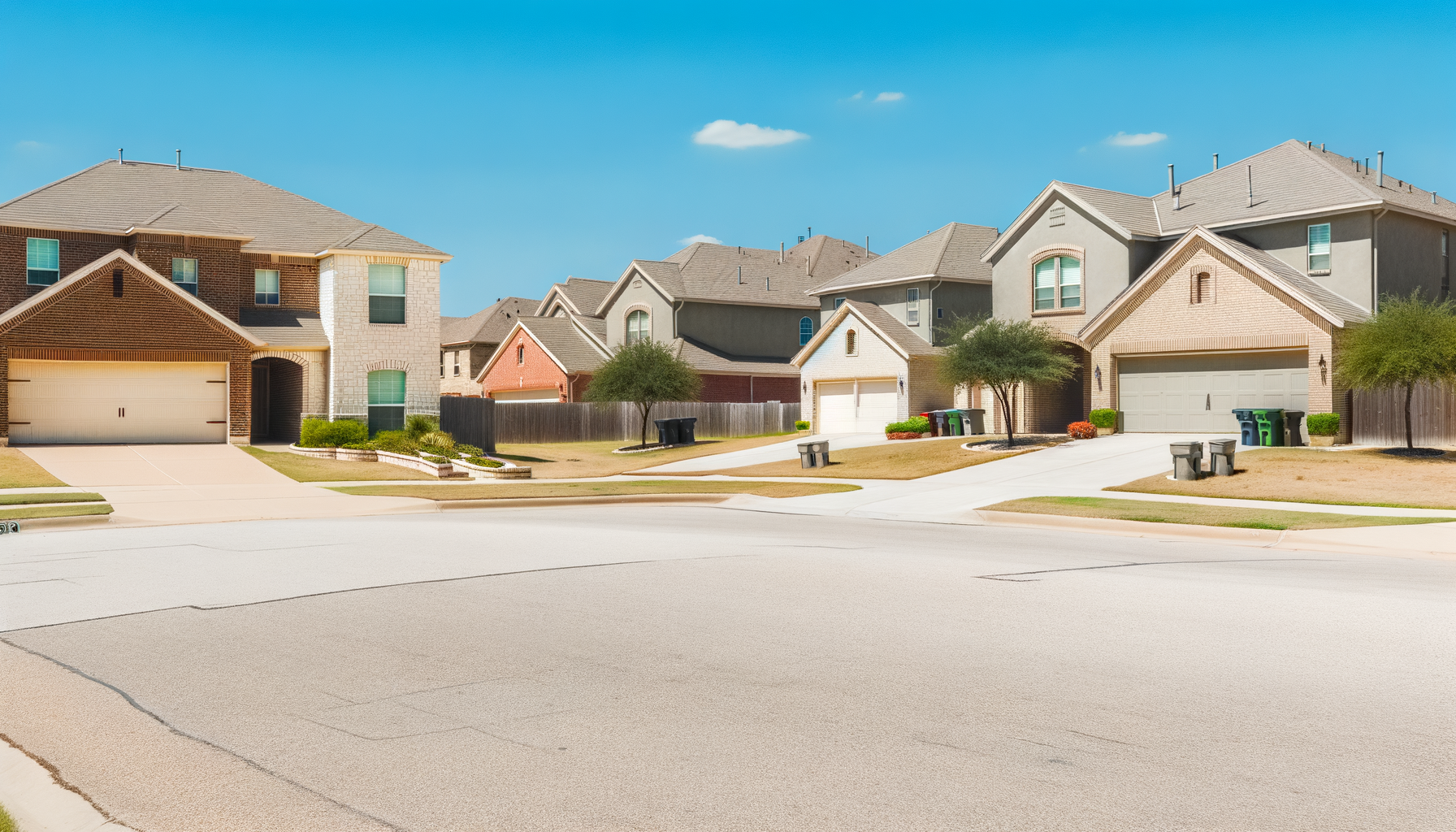
Evaluating the cost of living in Nevada, TX goes beyond simply comparing home prices. Buyers moving into this small East Collin County city often weigh rural space, lower density, and long-term affordability against proximity to larger suburbs. While Nevada remains more accessible than many Collin County communities, its growing popularity and new construction have started to shift overall expenses. Understanding where costs come from—housing, utilities, taxes, and daily needs—helps buyers plan realistically for 2026 and beyond.

Over the past few years, Nevada has drawn interest from those seeking more land at a manageable distance from employment centers in the Dallas–Fort Worth area. That shift impacts pricing and lifestyle factors across the community. This 2026 guide outlines what contributes most to Nevada’s overall cost of living, how housing costs vary across neighborhoods like Providence Point, and what buyers can expect once they own a home here.
How Expensive Is Nevada, TX?
Nevada sits on the more affordable end compared with suburban areas farther west in Collin County such as Wylie or Allen. The difference often comes from land availability—larger lots and newer subdivisions can still be found here at prices that stretch your dollar more effectively than in more established cities. However, affordability doesn’t mean overlooked; new construction has been steadily increasing, which influences both property values and infrastructure development costs.
While grocery, gas, and basic services generally run similar to regional averages, the biggest factor in total living cost remains housing. Some residents trade a longer drive for lower mortgage payments and more acreage. Those weighing cost of living should also factor in fewer in-town commercial services, meaning some daily needs require short drives to nearby towns.
Housing Costs in Nevada
Home pricing in Nevada primarily reflects lot size and new construction trends. Many single-family properties sit on half-acre to multi-acre tracts, giving homeowners additional space not easily found in denser suburbs. Branding around “country living with city access” draws builders to develop communities with modern layouts, open-concept plans, and upgraded finishes.
In newer developments such as Providence Point, you’ll mostly find recently built homes with contemporary materials and open green areas that appeal to buyers seeking a balance between comfort and extra land. These homes typically carry higher price tags than older rural properties but lower than similar builds found in nearby master-planned suburbs closer to Dallas. Buyers attracted to Nevada’s open spaces can often stretch their budgets for larger lots and newer builds without reaching the peak price levels typical elsewhere in Collin County.
Around unincorporated edges, older ranch-style homes or modest updates can reduce purchase costs, but maintenance and renovation expenses may be higher over time. The choice often comes down to how much a buyer values newer amenities versus self-managed upgrades.
Property Taxes and Ownership Costs in Nevada
Because Nevada is within Collin County, property taxes align with county averages but can still vary based on the specific taxing district and appraisal values. Newer developments may include modest HOA fees that cover community maintenance and shared improvements. Homeowners should review both tax rates and special assessments when comparing properties, especially if they’re evaluating several subdivisions.
Insurance costs tend to follow regional norms, though larger lots or detached structures such as workshops and barns can impact coverage. Buyers coming from city environments sometimes underestimate the cost of maintaining septic systems, wells, or larger yards—routine upkeep adds to yearly budget planning even when mortgage payments are relatively low.
Overall, Nevada’s ongoing residential growth means that annual property valuations have the potential to adjust upward, so it’s important for homeowners to budget accordingly for potential appraisal increases or infrastructure assessments.
Monthly Cost Breakdown to Think About
When analyzing total cost of living in Nevada, factor in more than mortgage and taxes. Daily costs can differ depending on how you shop and commute. Key categories include:
- Utilities: Homes on larger lots sometimes use private water systems or septic, affecting monthly utility expenses compared to communities with municipal water service.
- Transportation: Gas and vehicle maintenance become more significant if you commute to larger suburbs for work or errands.
- Home maintenance: Larger parcels often require landscaping equipment and upkeep beyond a typical suburban yard.
- Internet and service access: Connection options remain limited in some rural streets, which can affect both cost and reliability.
Factoring these elements into your budget prevents surprises later and ensures a realistic sense of Nevada’s long-term affordability.
How Nevada Compares to Nearby Areas
Compared with Rockwall or Wylie, Nevada generally offers lower entrance costs for similar home sizes, though it’s less developed in terms of retail and restaurant options. Some buyers find the tradeoff worthwhile since they can upgrade their property or land size for similar monthly spending. Others who prioritize in-town conveniences might lean toward more built-out suburbs and accept the higher prices that come with that.
When viewed across the Dallas–Fort Worth metro area, Nevada represents one of the few remaining communities where buyers can secure substantial space and a new home build without exceeding average suburban mortgage levels. However, the added drive time for work, shopping, or activities needs to be weighed carefully against those savings.
Is Nevada Worth the Cost?
For buyers focused on value and space, Nevada’s cost structure in 2026 remains competitive. You pay less for land and gain more flexibility for future projects, such as adding outbuildings or outdoor features. The primary tradeoffs are a smaller commercial core and slightly longer drives for daily errands. Those willing to accept these logistics often see excellent long-term ownership value—especially given ongoing Collin County growth.
As nearby cities expand, Nevada benefits indirectly from improved infrastructure and increasing property interest. For sellers, that means continued attention from buyers seeking acreage-based living within reach of the Dallas area. For buyers, timing and neighborhood choice—like balancing new construction in Providence Point against an older resale—can significantly shape long-term financial outlook.
About Dustin Pitts | Nevada Real Estate Agent
As a seasoned Nevada real estate agent, Dustin Pitts helps buyers and sellers make informed choices by clarifying what drives local costs and housing patterns. His experience across Collin County ensures that clients understand not only home prices but also taxes, maintenance expectations, and neighborhood distinctions specific to Nevada.
Dustin’s approach is practical and transparent—grounded in years of guiding clients through rural and suburban transactions. He emphasizes clarity around property value, ownership expenses, and the local market’s direction, making him a trusted resource for anyone assessing Nevada’s long-term affordability.
If you’re considering buying or selling in Nevada, connect with Dustin Pitts to discuss your goals and get an accurate picture of current market conditions. His local expertise can help you find the right balance between budget, location, and long-term value in this evolving Collin County community.


