
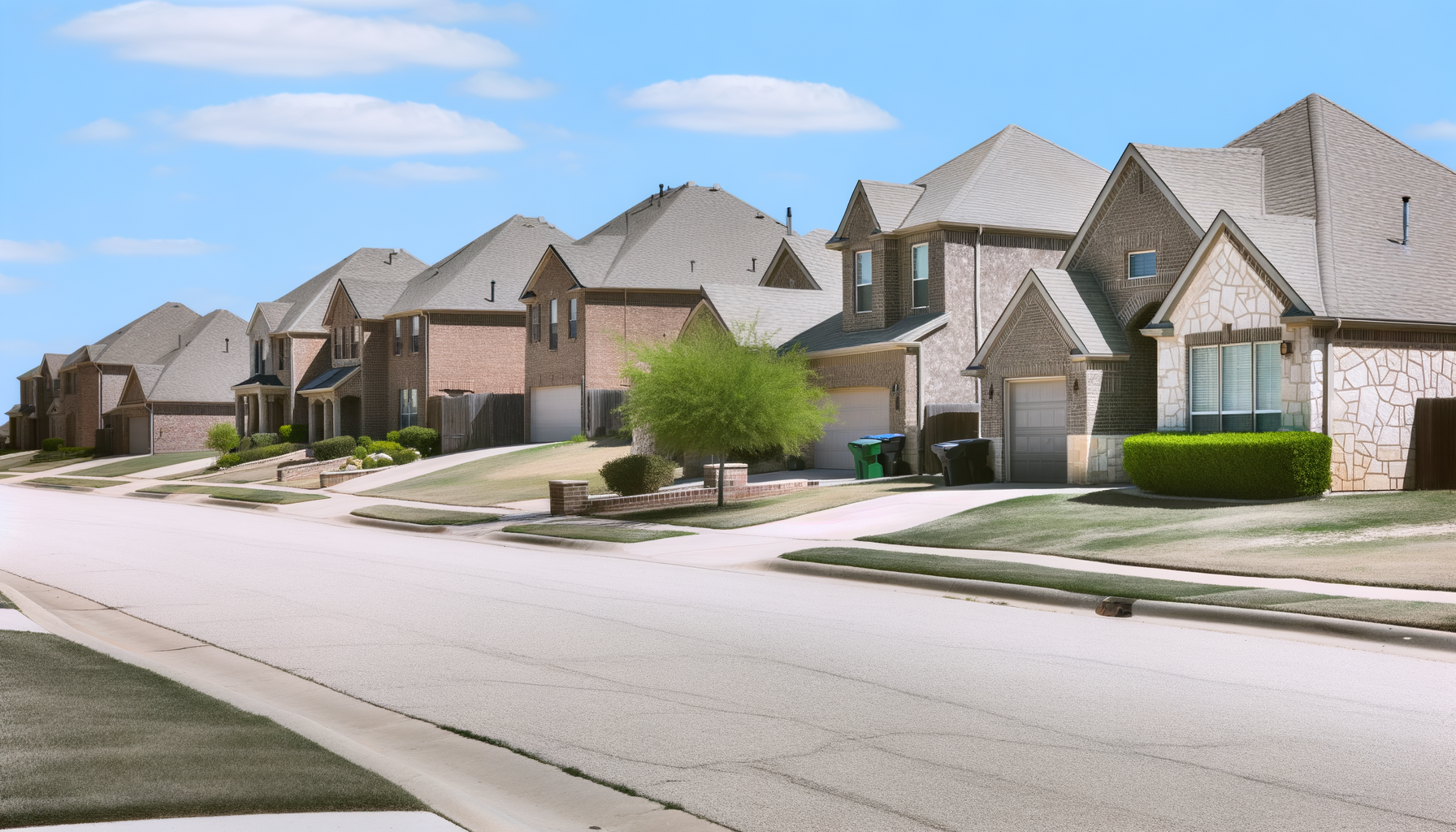
The cost of living in Parker, Texas is shaped primarily by housing, property size, and the area’s suburban setting east of Plano and Allen. For buyers who appreciate more land and space, Parker tends to demand higher entry prices than dense, master-planned suburbs nearby. However, it often balances that with lower long-term ownership costs than many of its Collin County neighbors. Understanding how Parker’s housing stock, utilities, and taxes interact is key to making an informed move in 2026.

If you’re evaluating whether Parker aligns with your budget and lifestyle expectations, it helps to look beyond median numbers and focus on what drives those figures. Home size, acreage, and ongoing maintenance expectations influence what it actually costs to live here. Below, you’ll find a breakdown of how Parker compares to other North Dallas suburbs and where its value stands out for homeowners who want space without unnecessary overhead.
How Expensive Is Parker, TX?
Parker sits in a category of Dallas suburbs defined by low-density development and large-lot single-family homes. Costs can feel higher upfront compared with tightly built subdivisions in Plano or Wylie, but what residents pay for is privacy and property size. In general, Parker’s cost of living trends above the regional average because local housing isn’t designed for maximum density—each home typically sits on significant acreage, resulting in higher purchase and upkeep costs.
The town’s municipal services are modest, which keeps city tax rates competitive, but utilities can run slightly higher due to larger homes and landscaped lots. Residents often manage septic systems and private wells, which come with maintenance responsibilities many first-time suburban buyers don’t anticipate. The overall expense structure favors those who want a balance of space and proximity rather than those seeking the lowest monthly cost.
Housing Costs in Parker
Housing defines Parker’s cost profile more than any other factor. The city’s inventory primarily consists of single-family homes on half-acre to multi-acre lots. While many subdivisions were built between the late 1990s and 2010s, there’s still a mix of newer custom builds and established estates. Buyers focused on modern layouts and newer construction often explore developments like Whitestone Estates, where homes emphasize larger footprints, open layouts, and newer energy efficiency standards.
Other areas, such as Parker Lake Estates, attract long-term homeowners interested in mature trees and well-established landscaping. Homes here often include upgraded outdoor spaces that require more ongoing maintenance but add long-term value. In contrast, Kings Crossing leans toward larger lots and semi-custom construction, appealing to buyers wanting newer builds without a fully custom price tag.
Across these areas, the main differentiators are age, land size, and the degree of customization. Buyers considering Parker should plan to spend more on land but less on density-related fees common in master-planned communities. For many, that tradeoff defines Parker’s appeal—more autonomy and privacy with limited neighborhood commercial impact.
Property Taxes and Ownership Costs in Parker
Property taxes in Parker contribute significantly to the cost of living, though they typically align with other Collin County municipalities. Because most properties carry higher assessed values, total annual tax bills can run steep even when rates themselves are competitive. Buyers should account for how acreage and home value affect their long-term financial picture, particularly as Collin County appraisals continue to rise over time.
Insurance and maintenance follow similar patterns. Larger homes mean higher replacement values, and proximity to open land increases exposure to wind and weather wear. Many homes rely on private systems such as septic tanks or irrigation wells, adding maintenance costs not found in denser towns. Homeowners Associations, when present, tend to focus on upkeep standards and architectural approval rather than clubhouse amenities, which keeps HOA fees relatively moderate compared with planned communities.
When factoring ownership costs, prospective residents should also consider energy expenses. Parker’s homes often have large conditioned spaces and landscaped grounds requiring irrigation systems, which can elevate utility usage during Texas summers.
Monthly Cost Breakdown to Think About
While housing drives the biggest line item, several recurring costs shape how affordable Parker feels once you settle in. Buyers should plan for a combination of predictable and discretionary spending each month:
- Mortgage and property taxes – Likely the majority of total housing expense due to home and lot size.
- Utilities – Electric and water costs vary with lot maintenance and home square footage.
- Maintenance and service providers – Landscaping and septic servicing add recurring tasks absent in smaller-lot suburbs.
- Transportation – Most residents commute to surrounding cities for work, which can affect fuel and vehicle upkeep budgets.
- Insurance – Higher replacement costs influence premiums, especially for homes with custom features.
Those accustomed to suburban living in denser areas may find Parker’s expenses more self-managed. There’s less reliance on community-shared amenities, meaning upkeep responsibilities—and associated costs—rest primarily with individual homeowners.
How Parker Compares to Nearby Areas
Compared with neighboring cities like Allen, Murphy, and Wylie, Parker distinguishes itself through lot size and separation. That alone explains its different cost dynamics. While housing in Allen may appear more “affordable” on paper due to smaller parcels, Parker residents often purchase with different priorities: privacy and the ability to customize their space.
Utility access also shifts the math. Whereas nearby cities typically operate with full municipal services, Parker’s partial reliance on private systems can slightly elevate maintenance obligations but gives owners more control over their property. For many, the reduced density and open land justify those tradeoffs. Location-wise, Parker maintains quick access to Plano’s retail and employment corridors, keeping it convenient without stepping into the pricing structures of more urbanized suburbs.
Ultimately, living costs depend on one’s tolerance for yardwork, commuting, and the scale of a home. Buyers seeking an acreage lifestyle still near Dallas consider Parker because adjacent towns rarely offer comparable parcels within this distance of the metro area.
Is Parker Worth the Cost?
Determining value in Parker comes down to prioritizing space and property control over convenience and density. Upfront costs may exceed similar-square-footage homes elsewhere, but ongoing satisfaction stems from a larger sense of autonomy and lower neighborhood congestion. For homeowners planning to stay long-term, the land component can prove to be an appreciating asset in a region where open tracts are becoming scarce.
Buyers should also view Parker as a lifestyle choice rather than a short-term hold. Maintenance expectations are higher, but so is the potential for customization. Whether you’re drawn to the newer construction of Whitestone Estates or the more established footprint in Parker Lake Estates, value stems from ownership experience as much as financial return. The right property can deliver both if chosen with full awareness of these costs and benefits.
About Dustin Pitts | Parker Real Estate Agent
As a local Realtor specializing in Collin County, Dustin Pitts provides detailed market insight for clients buying or selling in Parker. His approach is grounded in firsthand experience with acreage properties, neighborhood trends, and the lifestyle tradeoffs unique to Parker homes. Dustin advises clients on true ownership costs—spanning utilities, maintenance, and value growth—so buyers make confident long-term decisions.
Over years of transactions across Parker and nearby suburbs, Dustin has developed an understanding of what consistently drives demand here: space, setting, and quality of build. His market evaluations weigh these factors carefully, ensuring clients appreciate the broader financial picture before committing to a property.
If you’re planning a move and want an expert assessment of costs, market timing, and property potential, connect with Dustin Pitts for trusted real estate help in Parker today.


