
When comparing the cost of living in Parker, TX to Dallas, the biggest difference usually comes down to space and lifestyle rather than daily expenses. Parker is a small, rural-edge suburb northeast of Plano, known for its acreage properties and quiet subdivisions. Dallas, on the other hand, has an urban cost structure — higher density, more services, and a wider range of housing prices. Buyers evaluating both need to decide whether the larger lots and lower tax rates in Parker offset the convenience and shorter commutes of the city. You can explore more about life in Parker on the Parker city page to understand its neighborhood patterns and housing mix.

While grocery or utility bills won’t differ much between the two areas, your housing costs and property taxes will. Parker appeals to buyers who want newer custom homes on larger parcels without giving up quick access to nearby urban amenities. Dallas tends to draw those prioritizing proximity to major employers, nightlife, and entertainment options. The cost of living comparison is really an evaluation of priorities—space versus convenience, and long-term ownership costs versus accessibility.
How Expensive Is Parker, TX?
Parker sits among North Texas suburbs that have retained a semi-rural identity even as development has grown. Relative to many Collin County cities, it leans toward larger homes built on one-acre or greater lots. This means buyers typically pay more upfront for land, but often enjoy a lower tax rate per dollar of value compared with city-center properties in Dallas. Parker doesn’t have the density or infrastructure costs of Dallas, which can help reduce certain household expenses in the long run.
Although grocery or service prices are similar to surrounding areas, occasional longer drives for shopping or dining can increase fuel costs. On the other hand, limited commercial traffic keeps noise and congestion down, which buyers often value when calculating lifestyle costs. In essence, Parker feels more spread out and private, translating into higher housing cost per property but lower ongoing cost of congestion or crowded living.
Housing Costs in Parker
The largest factor impacting the cost of living in Parker is housing. Properties tend to feature custom builds on oversized lots, many with mature trees and long setbacks. Because most new construction in Parker uses larger lots, build costs are higher compared with Dallas infill development. However, resale values also hold steady due to consistent lot sizes and limited inventory.
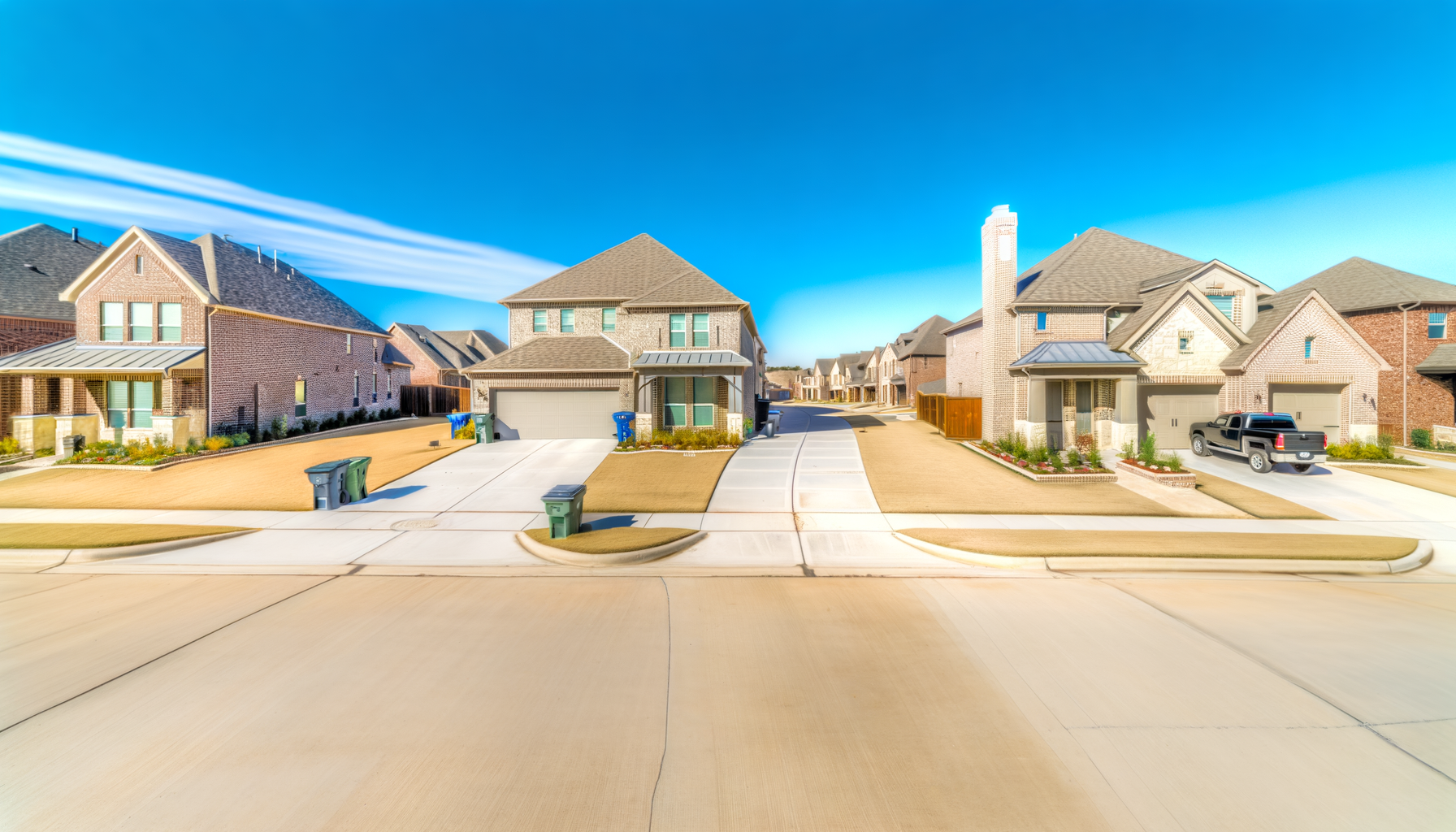
Neighborhoods such as Whitestone Estates highlight the classic Parker layout: generous acreage, modern homes with brick and stone exteriors, and limited through-traffic. Nearby, Parker Lake Estates shows a different pattern — smaller subdivisions with lake views and community spaces that attract buyers seeking scenic surroundings but less land to maintain. Each area has its own pricing rhythm depending on lot size and amenities.
In comparison, a comparable square footage home closer to Dallas may sit on a smaller lot or share a wall in a townhome or condo setup. Buyers accustomed to city-living often find Parker’s per-square-foot price slightly higher but its per-acre cost much lower. For households emphasizing privacy and space, Parker often delivers more tangible value over time despite the initial investment.
Property Taxes and Ownership Costs in Parker
Parker homeowners typically benefit from property tax rates that are lower than those in larger metro areas. Because the city maintains limited infrastructure and public service overhead, tax bills can feel more manageable than those in Dallas proper. However, higher property values and acreage mean the total amount can still be significant.
Insurance premiums and maintenance costs also vary. Large-lot homes sometimes require higher coverage due to extended rooflines, detached structures, or private wells. Homeowners’ associations exist in several neighborhoods—though they tend to focus on maintaining shared aesthetic standards rather than extensive amenities, keeping dues modest compared with suburban master-planned communities.
Utilities and upkeep costs also tend to scale with lot size. Lawns, fencing, and septic maintenance all add to annual expenditures, so budgeting for those helps keep expectations aligned with the broader ownership experience Parker offers.
Monthly Cost Breakdown to Think About
In Parker, major recurring expenses often shift slightly compared to living in Dallas. The total monthly outflow depends on the type of property and distance from daily conveniences. When evaluating affordability, consider these ongoing categories:
- Mortgage and Taxes: Often the largest line item, especially in Parker where land drives value.
- Utilities: Homes on larger parcels can have higher utility bills due to irrigation or well system operation.
- Transportation: Increased driving for commuting or errands may add to monthly fuel use.
- Maintenance: Acreage properties require lawn care, fencing upkeep, and sometimes private drive maintenance.
- Insurance: Home and liability coverage can vary with property size and replacement value.
For most households, adjusting expectations around these categories helps clarify whether Parker’s size and privacy fit long-term financial goals. You can learn more about how Parker’s neighborhoods differ in cost and layout on the official Parker neighborhood page.
How Parker Compares to Nearby Areas
Compared with Dallas, Parker’s costs lean heavier toward housing and land, while day-to-day items remain consistent within the North Texas metro economy. You won’t find substantial savings on groceries or utilities, but you may gain long-term equity through land ownership that’s difficult to replicate in urban settings.
Nearby suburbs such as Allen or Plano offer an intermediate option—smaller lots than Parker but higher amenity density. Parker’s appeal lies in its combination of acreage living and proximity to major corridors leading back into Dallas. Buyers commuting to Dallas often accept slightly higher fuel and vehicle wear as part of their cost equation, balanced by quieter evenings and more space for hobbies or outdoor living.
Is Parker Worth the Cost?
The premium of buying in Parker often aligns with lifestyle priorities rather than short-term financial savings. If your goal is privacy, space, and a more open setting, the costs are justified by the tangible daily benefits. Parker homes frequently hold value due to limited land availability and consistent demand from buyers seeking its unique mix of space and proximity.
However, for those who value immediate access to city amenities and shorter commutes, Dallas may better match budget and priorities. The key is knowing whether you’d prefer smaller-lot urban housing or custom acreage just beyond the city line. Parker’s cost of living can look higher at first glance, but when viewed through the lens of land ownership and long-term satisfaction, many consider it a worthwhile trade.
About Dustin Pitts | Parker Real Estate Agent
As a Parker real estate agent, Dustin Pitts helps buyers and sellers compare costs, property types, and ownership considerations across Parker and greater Dallas. His experience guiding clients through acreage transactions, new builds, and rural tax evaluations offers practical insight into what truly affects long-term affordability.
Dustin takes a decision-based approach to advising clients—factoring in land characteristics, HOA structure, and neighborhood transparency—so buyers can make informed choices aligned with both budget and lifestyle.
If you’re ready to evaluate the cost of buying or selling in Parker and want local guidance, reach out today through this real estate help in Parker link to start planning your next move.


