
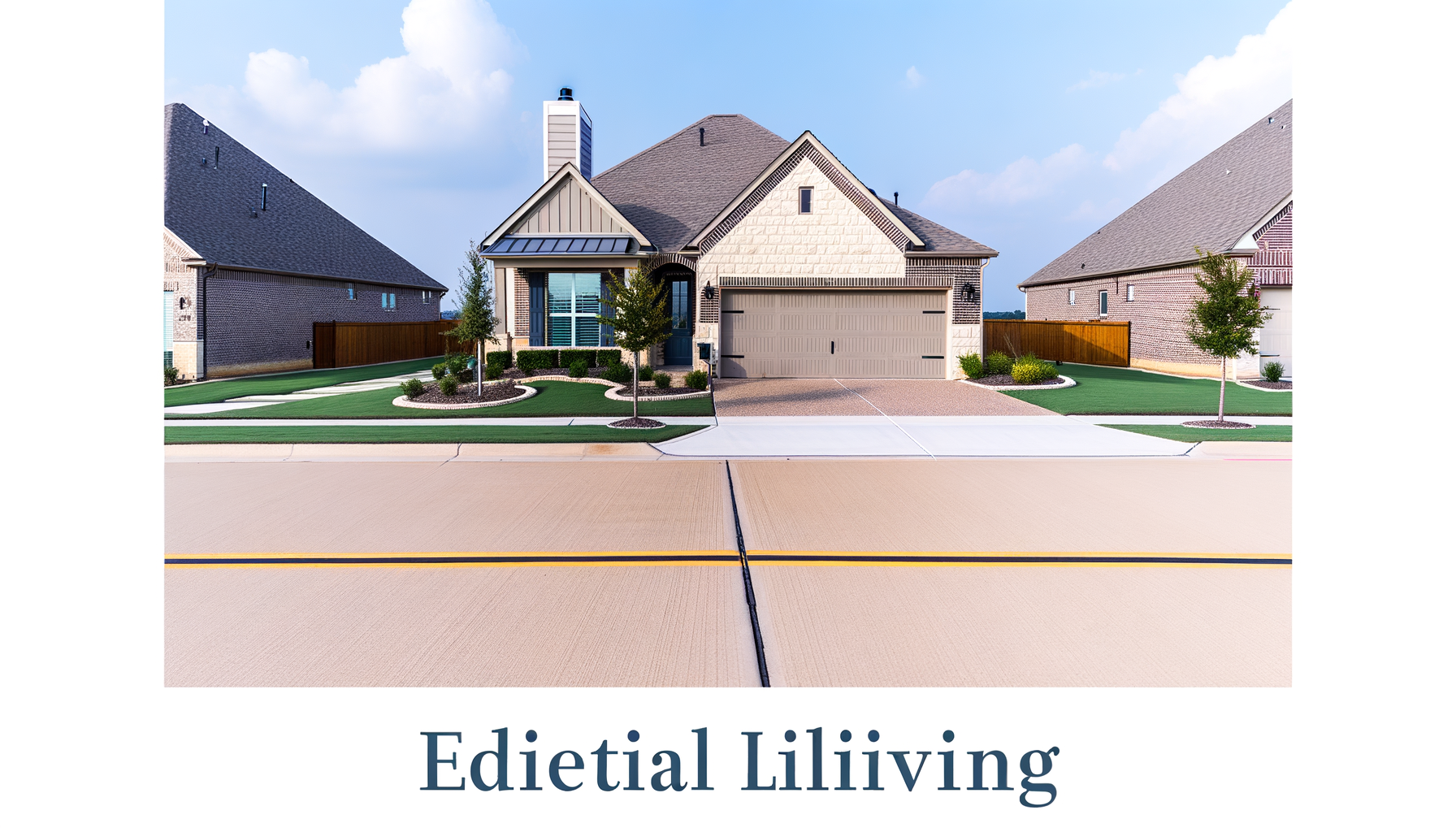
Buyers considering a move to Parker, Texas often ask if the city is considered expensive. The short answer is that Parker tends to attract buyers looking for space—both in the size of their homes and their lots—which influences the cost of living. Property values lean toward the higher end compared to many Dallas suburbs, but what you get in return is a very different residential setting.
Unlike suburban areas with smaller lots and denser subdivisions, Parker has maintained larger parcel sizes and a rural edge. That characteristic shapes nearly every aspect of its housing market, tax structure, and long-term ownership costs. Understanding these factors helps buyers determine whether Parker’s price point makes sense for their priorities.
This guide breaks down what makes Parker’s housing and ownership costs unique so buyers can judge value based on their own needs rather than just price alone.
How Expensive Is Parker, TX?
Parker sits in Collin County, east of Plano and south of Allen. Compared to nearby suburban areas, Parker carries a higher entry cost mainly because of land size and home construction quality. Buyers typically find estate-style properties rather than subdivisions filled with starter homes or townhouses. These are primarily custom or semi-custom builds, which naturally come with a higher price tag per property, even when the cost per square foot might align with surrounding communities.
Living in Parker often means more investment upfront but less congestion, fewer subdivisions packed close together, and a semi-rural environment still within reach of shopping and services in Allen or Murphy. For many, that balance—quiet residential living close to city conveniences—is worth the premium.
Those comparing Parker properties to homes in Plano or Richardson will notice a different cost profile. Parker’s pricing reflects land and space, not urban proximity. Buyers focused purely on square footage under roof may find other suburbs more cost-effective, while those prioritizing acreage and privacy tend to favor Parker.
Housing Costs in Parker
Most homes in Parker sit on one-acre lots or larger. The city’s zoning and development approach keep that pattern consistent, making it unusual among Collin County suburbs. As a result, the bulk of Parker’s housing cost comes from both land value and custom construction standards.
Communities like Whitestone Estates show how this plays out. The neighborhood features expansive homes built within the last few years, typically with luxury features and generous outdoor space. Buyers comparing Whitestone to older areas will find newer energy-efficient builds, modern materials, and fewer immediate maintenance expenses—all factors that weigh into overall affordability, even if the purchase price is higher.
On the other hand, a place like Kingsbridge sits out as one of Parker’s established luxury enclaves, with gated streets and homes that emphasize privacy. These properties often command a premium due to lot size, curb appeal, and exclusivity. Across town, Kings Crossing offers a more traditional suburban layout—still large by most area standards—but with more uniform architecture and community amenities.
Buyers deciding between these neighborhoods weigh practical things like newer construction versus resale potential or HOA rules that govern lot use. While Parker’s overall pricing places it above average compared to denser suburbs, the large-lot lifestyle attracts owners planning to stay long-term, where equity growth and use of space both factor into the investment calculation.
Property Taxes and Ownership Costs in Parker
Beyond purchase price, ownership costs also shape affordability. Parker’s property tax rates are generally comparable to other Collin County suburbs, but because homes and lots are larger, the assessed values can result in higher annual tax bills. Buyers should budget accordingly, especially those new to Texas, where property taxes replace state income tax as a key local revenue source.
Insurance and maintenance follow the same pattern. Larger homes require higher replacement cost coverage, and rural-style lots may need additional upkeep, such as fencing or landscape management. HOAs are present in many Parker subdivisions, and while not unusually high, they vary by community. Neighborhoods like Kingsbridge tend to have controlled-access gates and additional maintenance needs that are reflected in dues.
For those comparing Parker to nearby suburbs, it’s wise to factor in long-term ownership expenses rather than just initial purchase cost. Spacing between homes can also mean higher utility costs for lawn watering or extended driveways, small details that matter over time.
Monthly Cost Breakdown to Think About
When evaluating whether Parker fits your budget, think beyond mortgage payments. Buyers often find that the property’s size has ripple effects on monthly expenses, even when tax rates appear average. Consider the following common categories:
- Property taxes based on larger assessed values
- Homeowner’s insurance for higher-value, custom homes
- Utilities and maintenance associated with larger land acreage
- HOA dues that fund common-area maintenance or controlled access
- Upkeep on extended driveways, fencing, and irrigation systems
These details make Parker ownership distinct from denser Dallas suburbs. However, homeowners also enjoy the space, quiet, and design flexibility that come with their investment. For buyers planning to stay put or those who value outdoor space and privacy, the monthly balance can feel justifiable.
How Parker Compares to Nearby Areas
Parker’s direct neighbors—Allen, Murphy, Lucas, and Fairview—illustrate a wide range of suburban living patterns. Allen and Murphy lean toward conventional subdivisions with smaller lots and newer tract construction. Lucas and Fairview share more in common with Parker in terms of acreage and estate homes, but Parker’s inventory has a stronger emphasis on custom builds rather than older ranch-style properties.
Compared to Plano, Parker’s cost per square foot may not differ drastically, but overall purchase prices are higher because of the larger land component. Plano offers proximity to major employers and commercial centers, while Parker appeals to those prioritizing space and tranquility. The choice often comes down to lifestyle rather than raw affordability.
In short, Parker positions itself in the upper middle of the Collin County market—more expensive than urban suburbs but usually less than ultra-luxury estate towns further north or west.
Is Parker Worth the Cost?
Whether Parker is “worth it” depends on what you value most. The city’s costs stem from its development philosophy—larger homes, fewer rooftops, and slower growth. Buyers who want land, custom design, and quiet surroundings often view Parker’s higher prices as justified. Others focused purely on proximity to workplaces or retail may decide the tradeoff isn’t necessary.
Parker’s strength lies in privacy and property scope. Even within similar price ranges, it offers home features that can be difficult to match in denser suburbs. For owners thinking long term, appreciation potential tied to limited land supply and continued demand for acreage homes adds another layer to the value equation.
About Dustin Pitts | Parker Real Estate Agent
As a local Parker real estate agent, Dustin Pitts helps buyers and sellers weigh cost-versus-value decisions specific to this market. His experience across Collin County neighborhoods allows clients to understand how Parker’s pricing patterns fit into the broader suburban picture around Dallas.
Dustin has guided numerous transactions in both newer custom developments and long-established acreage properties throughout Parker. His insight into construction trends, land use, and ownership costs gives clients the clarity they need to make confident decisions.
If you’re planning to buy or sell in Parker and want local expertise focused on space, value, and long-term returns, reach out for professional guidance through real estate help in Parker.


