
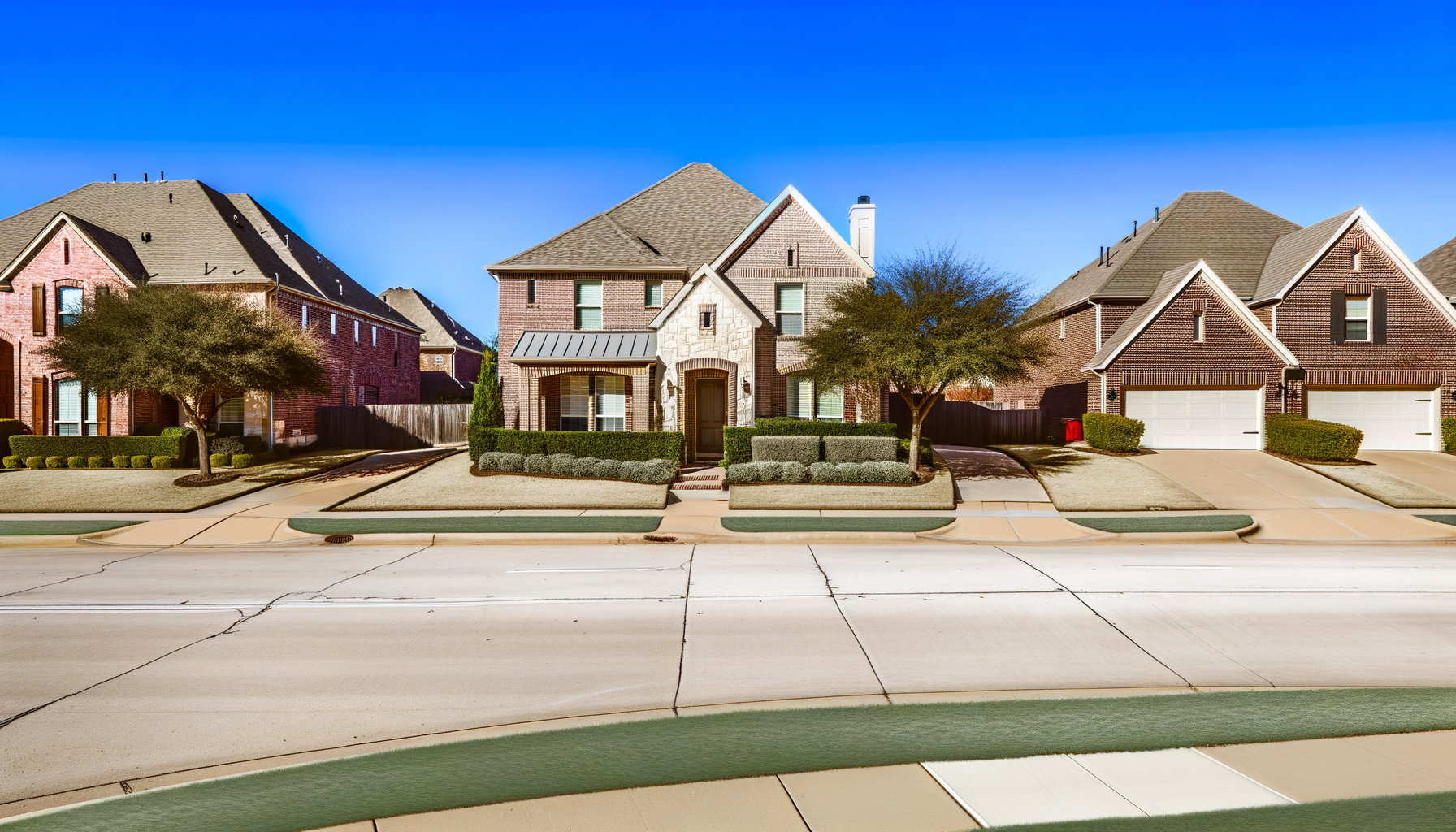
Highland Park has long held a distinct place in the Dallas real estate landscape. Known for its established streets, architectural consistency, and close proximity to downtown, it attracts buyers who want both sophistication and convenience. While Highland Park is compact compared to many North Texas suburbs, each pocket within it offers subtle differences that influence home selection, pricing, and long-term appeal. For buyers comparing the area to other Dallas suburbs, understanding these nuances can inform a smarter purchase.

This guide is designed for those evaluating Highland Park’s neighborhoods from a buyer’s or seller’s point of view. We’ll look at layout, typical housing patterns, and what tends to set one block apart from another. Even though Highland Park is only about two square miles, decisions here come down to details — proximity to major routes, architectural integrity, and how each street feels day to day.
What to Know About Highland Park
Highland Park’s streets follow a classic early-20th-century grid layout, bordered by major Dallas thoroughfares to the east and west. Many homes sit on deep, tree-lined lots, giving consistent curb appeal that’s rare in newer developments. Architectural styles lean heavily toward traditional — Tudor, Georgian, and Colonial Revival — reflecting an emphasis on preservation over new construction. That said, select lots have seen contemporary renovations that blend modern additions with historic exteriors.
Buyers navigating Highland Park are often balancing the desire for updated interiors with the architectural integrity the area is known for. Renovations and teardowns are regulated to maintain neighborhood symmetry, which can limit inventory but protect long-term value. Homes range from meticulously updated early 1900s estates to more modest single-family residences tucked on quieter side streets. The variation from block to block means working closely with a local agent who understands Highland Park is essential.
Another factor is access and commute efficiency. Highland Park’s central location means you can reach downtown, Uptown, or the Dallas North Tollway quickly. For many, this accessibility is a core reason to choose Highland Park over other Dallas-area neighborhoods farther north. However, with limited through streets and denser residential patterns, driving and parking can feel tighter than in newer master-planned communities.
Neighborhoods to Consider in Highland Park
Highland Park is small but segmented by subtle boundaries that influence home characteristics and pricing. Even without major subdivisions like in larger suburbs, locals distinguish between areas by orientation, lot size, and proximity to main corridors or civic areas. Here are several portions of Highland Park worth evaluating as you refine your search.
West of Preston Road
The western side of Highland Park, between Preston Road and the Dallas North Tollway, attracts buyers who appreciate quiet streets and larger lots. Homes here often reflect early estate construction — expansive frontage, mature landscaping, and deep setbacks. Architectural consistency is strong, with many homes retaining original facades supplemented by interior modernization projects. While the housing stock commands premium pricing, it holds value well due to limited turnover and enduring design appeal.
Access is direct to main arteries like Northwest Highway, making this area popular among those who commute north or west. The tradeoff is that available listings tend to be scarce, and remodeling restrictions can extend timelines for buyers seeking customization.
East of Preston Road
East of Preston Road sits a slightly denser concentration of homes, many on smaller but well-maintained parcels. This area includes shorter residential blocks with traditional architecture, though you’ll also see tasteful modern builds tucked between older homes. Buyers drawn to more compact lots often find this side more manageable in maintenance and price relative to west Highland Park. The streets closer to the eastern edge of Highland Park balance proximity to city amenities with a quieter interior feel.
Architectural preservation remains strong, but you’ll also find new construction that’s sensitive to proportion and materials, keeping the area cohesive. For buyers wanting proximity to activity while staying within Highland Park limits, this region often aligns well.
Southern Highland Park
Closer to the Dallas city boundary, southern Highland Park carries a mix of classic architecture and select redevelopment sites where properties have been expanded or rebuilt. Many lots here are slightly smaller than those farther north, yet the convenience factor is high — downtown access is immediate, and main routes out of the area are nearby. Streets can be narrower, with mature tree canopies defining much of the visual character.
This subarea appeals to buyers who want established residential surroundings but need quick connectivity to the business districts nearby. Homes range from early 20th-century residences with deep heritage to newer transitional designs replacing aging structures.
How to Choose the Right Area in Highland Park
Deciding between different Highland Park blocks often comes down to feel and priorities. Some buyers value deep lots and privacy, pointing them toward the west side. Others emphasize location near retail and commuter routes, steering them east or south. Because the municipality maintains strict building and aesthetic guidelines, the quality across the board remains high — the distinctions lie in lot proportions, orientation, and surrounding street scale.
If you’re moving from newer Dallas suburbs, expect a different rhythm. Homes are closer together, and historic regulations mean less flexibility for exterior changes. On the other hand, long-term stability is one of Highland Park’s defining attributes. Walk the area at different times of day and note traffic patterns, parking behavior, and construction activity to spot potential tradeoffs before buying.
Sellers weighing when to list should pay attention to seasonal dynamics. The area’s limited inventory attracts serious buyers year-round, but presentation and timing can still shift outcomes. Professional photography and attention to architectural authenticity help listings stand out, particularly on streets with centuries-old homes.
Final Thoughts on Highland Park
Highland Park remains one of the most consistent real estate markets within central Dallas. Its small footprint, architectural preservation, and proximity to core employment centers contribute to steady demand. Before committing to a property, spend time in each area and consider how lifestyle factors align with home features — like yard size, renovation potential, and parking availability. For a deeper look at real estate beyond Highland Park, reviewing nearby Dallas suburbs can provide helpful context for balancing price and access.
About Dustin Pitts | Highland Park Real Estate Agent
As a local Highland Park real estate agent, Dustin Pitts brings extensive knowledge of the area’s housing inventory, renovation trends, and transaction nuances. He works with both buyers and sellers who appreciate detailed, data-based guidance over guesswork. With experience across Dallas neighborhoods, Dustin helps clients pinpoint which streets best fit their priorities.
Dustin’s focus is entirely client-driven — identifying the right fit based on lot style, architecture, and long-term livability. Whether you’re preparing to sell a historically significant property or navigating your first Highland Park purchase, his approach emphasizes clarity, negotiation insight, and professionalism at each step.
If you’re planning to make a move soon, reach out for personalized guidance on buying or selling in Highland Park to ensure your next real estate decision is as strategic as it is successful.


