
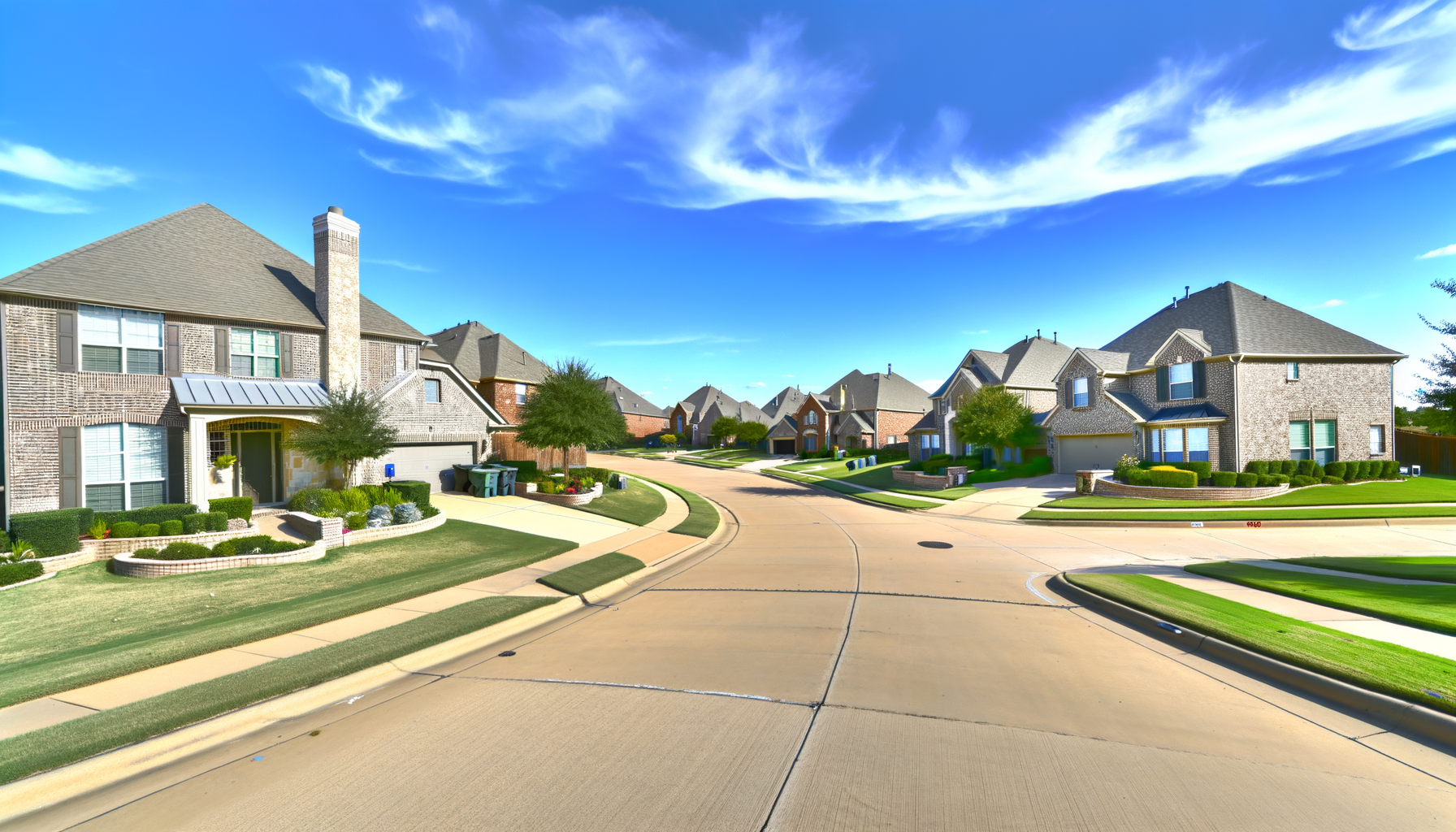
Considering a move to McKinney, Texas, means thinking beyond the headlines and looking closely at how the city functions for daily living. McKinney has expanded steadily over the past decade, evolving from a small Collin County town into a well-established city with distinct neighborhoods, each catering to different priorities. Before relocating, it helps to understand what sets McKinney apart from other Dallas suburbs. You can explore local insights about the area on the McKinney neighborhoods page for context as you plan your move.

This guide breaks down what life looks like in McKinney—how it’s laid out, where people tend to buy, and what logistical factors influence everyday living. The goal is to help you decide whether McKinney fits your lifestyle, work location, and housing expectations.
Where Is McKinney and What Should You Know First?
McKinney sits roughly 30 miles north of downtown Dallas along US-75. Its location puts residents within reach of major business corridors in Plano, Allen, and Richardson. For those working in north Plano’s corporate centers, McKinney offers a balance between accessibility and a more suburban feel. Many buyers also prioritize its easy connection to major routes like Highway 380, which continues west toward Prosper and east toward Princeton.
The city’s size has outpaced many of its neighbors, and that growth shows up in infrastructure. Newer commercial hubs and retail areas have gone up primarily along US-75 and around Custer Road, while the historic downtown core retains smaller boutique spaces and restaurants. Being aware of these contrasting areas helps buyers match their lifestyle preferences to the right part of town.
What It’s Like Living in McKinney
Life in McKinney strikes a balance between established city convenience and the open space often found farther north. Its downtown district anchors community activity, but much of the city’s housing is newer construction built within planned developments. These communities often include trails, parks, and small mixed-use areas for everyday errands.
Compared with some older Dallas suburbs, McKinney’s layout reflects more intentional neighborhood planning from the past 20 years. Streets are wider, cul-de-sacs are common, and homes typically have larger yards than those closer to central Dallas. This makes it especially appealing to buyers wanting suburban space without cutting themselves off from major retail or work hubs.
Neighborhoods and Areas to Consider in McKinney
McKinney’s neighborhoods differ significantly in layout and age. Northwest McKinney holds newer master-planned communities with modern homes and community amenities, while areas closer to the city’s center lean historic, with smaller lots and mature trees. Understanding how those contrasts translate to daily life is crucial before choosing a specific neighborhood.
Tucker Hill stands out for its traditional design approach—front porches, tree-lined streets, and architectural detailing that evokes early 20th-century neighborhoods. Many buyers drawn to this area appreciate its walkability and sense of structure without feeling cookie-cutter. Homes here often emphasize curb appeal and community design cohesion.
Trinity Falls, on the other hand, sits further north and represents McKinney’s newer side. It offers larger-scale development, extensive trails, and access to green space along the Trinity River corridor. Buyers who prefer newer construction and larger community layouts often find this part of McKinney appealing when compared to infill areas closer to downtown.
For those seeking proximity to work centers and Highway 121, Craig Ranch occupies the southwest corner of McKinney along the city’s border with Allen and Frisco. This location helps minimize commute times to key business hubs in Plano and Frisco while maintaining access to McKinney’s municipal amenities. The area features a range of home styles—townhomes, single-family residences, and gated enclaves—within a well-connected road network.
Commute, Accessibility, and Daily Convenience
Access around McKinney primarily revolves around US-75, Highway 380, and the Sam Rayburn Tollway (121). These routes form the city’s framework, connecting residents to employers throughout Collin County. Southbound commutes toward Plano or Richardson are manageable from most western and southern neighborhoods, while those working in northern Collin County will find Highway 380 a key east-west route.
Inside McKinney, most shopping and daily services concentrate along Custer Road, Virginia Parkway, and Eldorado Parkway. Traffic patterns vary by season, with heavier congestion around US-75 during weekday mornings and late afternoons. Buyers prioritizing reduced travel times should factor in proximity to these main corridors as much as they do local neighborhood aesthetics.
Housing Options in McKinney
Housing in McKinney covers a broad range of architectural periods and settings. Near downtown, buyers find early- to mid-century homes—often updated but maintaining their original character. Moving outward, the housing stock transitions to late-1990s subdivisions with traditional brick facades and moderate lot sizes, then more recent master-planned developments farther north and west.
In communities like Trinity Falls, lot configurations tend to allow for modern layouts and open-concept interiors, while in Craig Ranch, housing diversity adds flexibility for different price points within a single area. Tucker Hill remains distinct for its emphasis on architectural uniformity and design integrity rather than large-lot separation. Evaluating which style suits your needs will make a big difference in daily satisfaction once you move in.
What to Know Before Moving to McKinney
McKinney’s continued growth means active construction is common, especially in northern sectors near Highway 380. While this indicates ongoing investment, it also brings higher traffic near development zones and evolving retail offerings that may not be fully built out yet. Buyers should think long-term—some areas reward patience as amenities finalize over several years.
Property taxes and HOA costs can also vary significantly between older neighborhoods and newer, more amenitized communities. Reviewing these details early with your lender or Realtor helps prevent surprises later. Utility setup and local services typically run smoothly, though those relocating from urban cores may need to account for longer distances between appointments or errands depending on chosen location.
Who McKinney Is Best For
McKinney tends to appeal to buyers valuing suburban stability and newer housing within reach of major employment centers. It suits those who commute south but want more outdoor or community space than nearby denser suburbs offer. Buyers who prefer a less transient environment will likely appreciate established subdivisions with lasting value.
Those prioritizing architectural character often pivot to neighborhoods like Tucker Hill or the downtown historic area. Buyers seeking modern layouts and turnkey homes gravitate toward Trinity Falls or portions of west McKinney, where development remains active. For professionals wanting a balance between quick highway access and contemporary living, Craig Ranch consistently ranks high.
About Dustin Pitts | McKinney Real Estate Agent
As a local McKinney real estate agent, Dustin Pitts helps clients match their lifestyle and commute goals with the right neighborhoods and housing types. His experience across the greater Collin County market provides a clear picture of how McKinney compares to nearby cities—useful insight when deciding whether to buy new construction, resale, or a custom build.
Dustin’s approach focuses on practical decision-making rather than sales pitches: evaluating location tradeoffs, understanding resale value, and navigating builder contracts where relevant. Whether you’re moving locally within North Texas or relocating from out of state, working with an agent who has firsthand experience in McKinney’s submarkets makes a meaningful difference.
Ready to start exploring homes and neighborhoods in McKinney? Connect with Dustin Pitts to discuss your goals, compare areas, and create a purchasing or selling plan that fits your timeline and priorities.


