
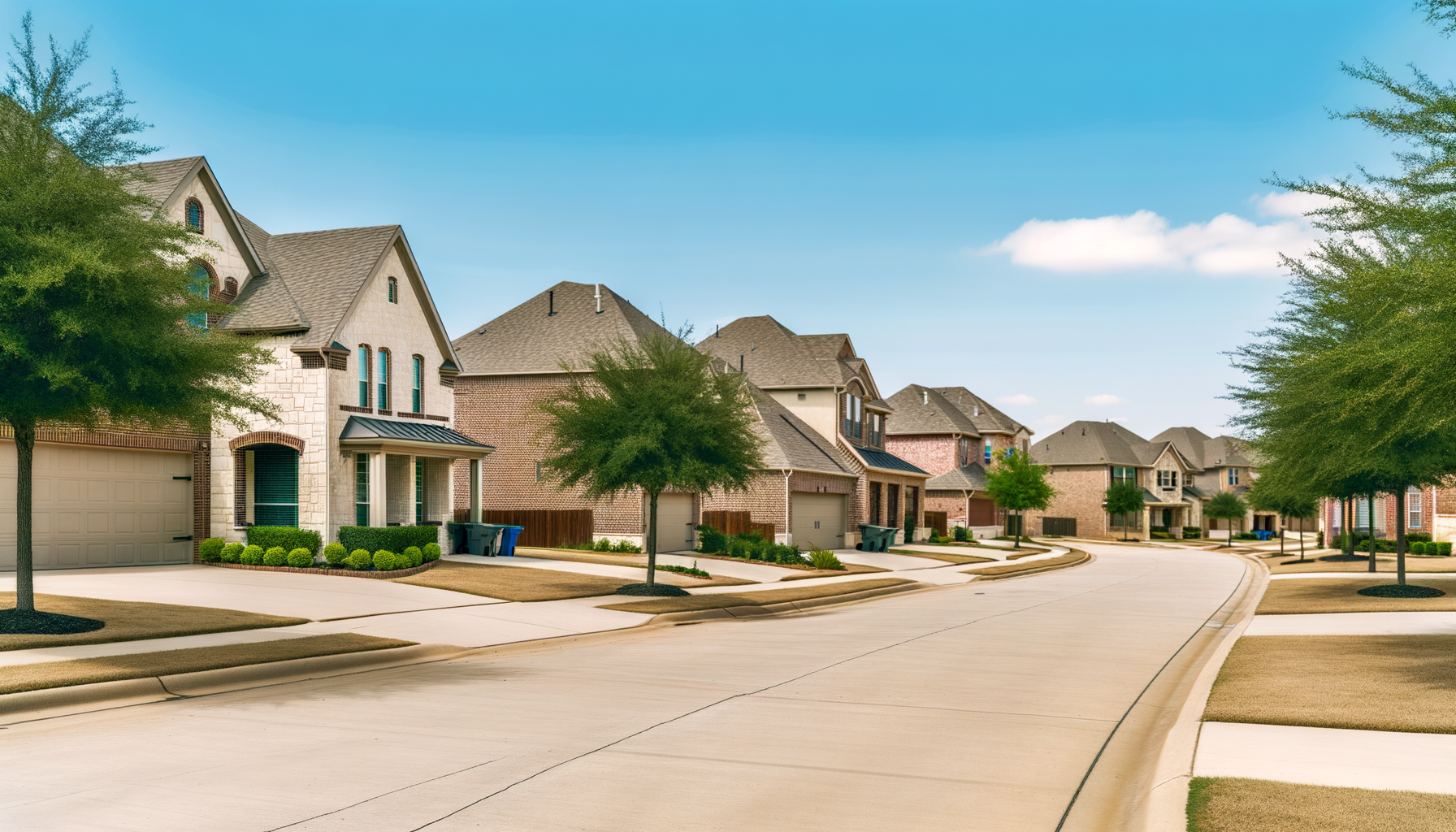
When people start exploring McKinney, Texas, one of the first questions that comes up is cost. Is McKinney really more expensive than other suburbs north of Dallas, or has it just seen stronger appreciation in recent years? The answer depends on what kind of home you’re looking for, how much space you want, and whether you’re prioritizing newer master-planned developments or established neighborhoods close to the historic downtown core.

As one of the most developed suburbs in Collin County, McKinney includes a broad range of property types—from early-2000s construction in established areas to newer master-planned communities to custom builds on larger lots. Understanding what drives pricing differences across McKinney neighborhoods is key if you’re trying to determine whether this market fits your budget or long-term investment goals.
How Expensive Is McKinney, TX?
McKinney has steadily grown from a smaller North Dallas suburb into one of the most sought-after residential markets in Collin County. While some parts of McKinney are priced above the regional average, others align more closely with nearby communities such as Allen or Frisco. Buyers often pay a premium for newer construction, community amenities, and well-maintained streetscapes, especially in the large planned developments on the northern and western sides of town.
McKinney tends to attract buyers looking for more space than what’s commonly available in Plano or Frisco at similar prices. However, the tradeoff can be a slightly longer drive to certain business hubs or entertainment districts. Compared to smaller suburbs or newer towns to the north, McKinney’s advantage lies in its established infrastructure, strong resale market, and blend of both modern and mature residential areas.
Housing Costs in McKinney
Home prices in McKinney vary substantially based on the neighborhood’s age and location. For instance, the homes in Tucker Hill feature traditional architecture and quality craftsmanship that generally come with higher price tags, reflecting both lot sizes and community standards. This area attracts buyers who prioritize design consistency, front-porch streetscapes, and an established sense of community.
In contrast, Trinity Falls showcases newer construction with community planning centered around open green spaces and newer home designs. Pricing here often reflects the age of the homes, builder incentives, and the availability of move-in-ready options compared to resale inventory. For buyers seeking newer builds with comprehensive community facilities, Trinity Falls often delivers solid value relative to its amenities and lot sizes.
Another example is the Reserve At Westridge, located in McKinney’s western corridor. Housing there often appeals to buyers who want proximity to Frisco’s commercial corridors but prefer McKinney’s property mix. Homes are typically newer and part of HOA-managed subdivisions, which can affect monthly costs beyond just mortgage payments.
Across McKinney, it’s important to account for HOA fees, tax rates, and varying insurance premiums when comparing homes between established areas and newer developments. The upfront purchase price tells only part of the story; total cost of ownership can vary widely depending on the neighborhood structure and property type.
Property Taxes and Ownership Costs in McKinney
Like much of Collin County, McKinney’s property tax rate contributes a significant portion of a homeowner’s ongoing expenses. While tax rates differ slightly across taxing districts, buyers should expect property taxes to represent a larger share of carrying costs than in some nearby counties. This means that even when home prices seem competitive, total monthly ownership obligations can still lean higher once taxes and insurance are factored in.
Insurance costs also vary depending on construction materials, property age, and the home’s proximity to flood plains or greenbelt areas. Many of McKinney’s master-planned neighborhoods include homeowner associations that charge recurring fees for common area maintenance or amenity upkeep. Budgeting for these costs early in the buying process helps avoid surprises later, particularly for first-time buyers drawn to newer communities with landscaping and recreation perks.
Monthly Cost Breakdown to Think About
When evaluating affordability in McKinney, a realistic monthly cost analysis should go beyond principal and interest. Consider the following recurring expenses when comparing different neighborhoods:
- Property taxes adjusted for the home’s appraised value
- Homeowner’s insurance premiums, which can vary by construction type
- HOA dues or community assessments
- Utilities, especially water and electric costs for larger homes or bigger lots
- Maintenance reserves for landscaping or exterior upkeep
Factoring these costs into your decision-making process is critical, especially when comparing McKinney to suburbs where taxes or HOA structures differ. In some master-planned communities, for example, HOA dues may offset certain utility or landscape costs—making direct comparisons more nuanced than they appear at first glance.
How McKinney Compares to Nearby Areas
When viewed alongside nearby cities, McKinney sits in a balanced position. Plano and Frisco typically command higher land values closer to corporate centers, while smaller suburbs to the north may offer slightly lower entry prices but fewer established amenities. McKinney’s advantage lies in its mix—historic districts, early-suburb redevelopment, and expanding northern developments all within one city boundary.
Buyers often find that the value proposition in McKinney includes more square footage or a larger lot for comparable prices than a home farther south along the US-75 corridor. The tradeoff can include HOA fees and higher property taxes, but the resale potential and ongoing investment stability tend to offset those costs over time. For buyers willing to balance location and long-term value, McKinney often represents a smart middle ground.
Is McKinney Worth the Cost?
Whether McKinney is “expensive” depends on what each buyer prioritizes. The city’s well-developed infrastructure, diverse housing stock, and attention to residential planning make it appealing to buyers who view their home as both a lifestyle upgrade and long-term investment. Higher carrying costs in some areas are often balanced by demand stability and strong resale performance.
Those choosing McKinney over nearby suburbs often cite its combination of character-filled older neighborhoods alongside meticulously planned new construction. Even though property taxes and insurance contribute to higher monthly obligations, many homeowners feel the overall value justifies these costs, especially given McKinney’s track record for steady appreciation and well-regarded local governance.
About Dustin Pitts | McKinney Real Estate Agent
As a McKinney real estate agent, Dustin Pitts brings extensive experience helping buyers and sellers evaluate affordability, investment potential, and long-term ownership costs across McKinney’s varied neighborhoods. His approach focuses on providing data-driven insight and realistic perspective—helping clients weigh purchase price against lifestyle, maintenance, and future resale factors.
Dustin’s background in Collin County real estate means he’s navigated listings and transactions in both new master-planned developments and legacy McKinney districts. Whether you’re considering a home in Tucker Hill’s architectural community or a newer build in Trinity Falls, working with a seasoned McKinney agent helps ensure each decision aligns with both your budget and goals.
Ready to evaluate whether McKinney fits your next move? Reach out for real estate help in McKinney to discuss your options, review available listings, and understand where your budget stretches the furthest in this growing Collin County market.


