
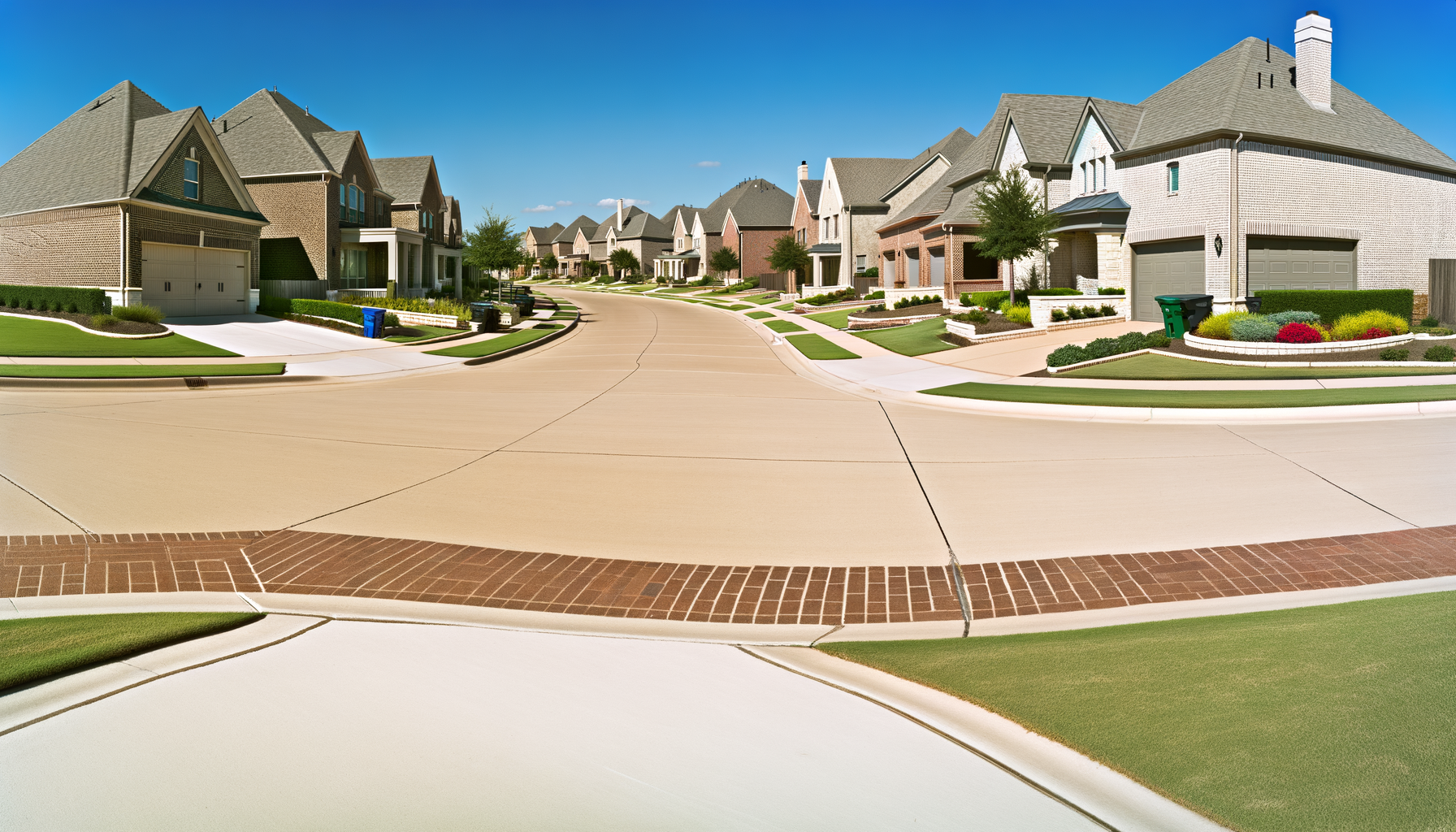
Moving to Plano involves balancing expectations about city convenience with suburban comfort. This North Texas community has grown into one of the most established parts of the Dallas metropolitan area, with a broad mix of housing styles, mature neighborhoods, and access to major employers. Before making the move, it helps to understand how Plano functions day to day, what drives long-term value, and how different pockets of the city feel on the ground. You can start getting a sense of the overall layout and neighborhoods by exploring Plano’s community overview.

Homebuyers often notice how Plano combines substantial city infrastructure—major roads, retail corridors, and corporate campuses—with areas that still feel residential and established. The balance works well for many who want convenience without giving up larger lots, mature trees, or walkable access to local amenities. Understanding exactly where those transitions occur helps narrow down which neighborhoods feel right for you.
Where Is Plano and What Should You Know First?
Plano sits directly north of Dallas, bordered by Richardson, Frisco, Allen, and Carrollton. Its position gives residents an advantage for reaching both downtown Dallas and the northern corridor where many regional employers are based. Major highways such as the Dallas North Tollway and U.S. 75 create straightforward access in and out of the city, which has made Plano a stable choice for those working across multiple business centers.
The location also means Plano functions more like a hub than a typical suburb. You can reach surrounding areas—such as the Legacy business district or Downtown Plano’s restored brick streets—without leaving the city. For transplants planning a move, the geography of Plano’s east-west divide is important: U.S. 75 splits the city roughly in half, and commute times can differ depending on whether you live near the Tollway or the highway corridor. Mapping where you work and how you move during the week should factor into which part of Plano you target. Review the Plano neighborhoods map for an overview of how each area connects.
What It’s Like Living in Plano
Plano’s development began decades ago, so many areas have mature landscaping, wide streets, and established retail patterns. Unlike younger suburbs still building infrastructure, Plano already has its major commercial zones and residential districts defined. That predictability appeals to buyers who want fewer surprises after moving in.
The city blends older residential areas with newly redeveloped sections, especially near major intersections. While new construction exists, particularly toward the northwest, much of Plano’s housing stock dates from the 1980s through early 2000s. As a result, buyers often face a decision between updated older homes on larger lots and newer builds on smaller parcels.
Neighborhoods and Areas to Consider in Plano
Plano’s neighborhoods vary by location, age of construction, and proximity to major corridors. In west Plano, Willow Bend West is known for its custom homes, wide streets, and access to the Tollway. Many properties sit on generous lots with mature landscaping, which appeals to buyers prioritizing privacy and outdoor space over walkability to retail.
Toward the northern edge, Ridgeview Ranch Estates blends single-family homes with access to recreation areas and golf. Buyers drawn here often want newer construction and planned-community layouts while staying within Plano’s boundaries. Compared to west Plano, the homes here tend to be newer with community amenities built into the neighborhood structure.
Closer to the center, Deerfield offers a balance between established character and central convenience. Streets are wide, homes are substantial but not oversized, and the location makes weekday errands manageable without heavy traffic. Each of these neighborhoods illustrates how dramatically lifestyle can shift depending on where you are within the same city.
Commute, Accessibility, and Daily Convenience
Plano is structured around two primary corridors: the Dallas North Tollway on the west and U.S. 75 on the east. Where you live relative to those roads influences your daily routine. West Plano residents usually find north-south travel easier via the Tollway, which connects directly to Frisco, Addison, and downtown Dallas. Those in east Plano rely more on U.S. 75 or President George Bush Turnpike for cross-town movement.
Traffic can vary significantly by time of day. Morning congestion often builds southbound on both the Tollway and U.S. 75, so buyers who work closer to Plano or in nearby corporate centers may avoid longer commutes. Grocery, dining, and services are spread across major intersections such as Preston, Coit, and Parker, meaning most errands can be handled within a short drive regardless of where you live.
Housing Options in Plano
Because Plano built out over several decades, housing types depend heavily on the neighborhood’s age. In older sections, you’ll find traditional brick homes with mature trees and established lots. Many have been renovated with updated kitchens and open layouts, while others retain original features that appeal to buyers seeking value and opportunity for customization.
Newer pockets, especially along the northern boundary, lean toward planned developments with smaller lot sizes and modern designs. Some emphasize community amenities such as walking trails or golf course access. Condominiums and patio homes exist near retail and office nodes, catering to those who want lower maintenance but still live inside Plano’s city limits.
What to Know Before Moving to Plano
For relocation clients, one of the first surprises is how varied Plano feels depending on the section of town. The west side tends to feature larger homes and master-planned developments, while central and eastern neighborhoods may have more renovation potential. Property taxes and HOA structures differ between subdivisions, so reviewing those details early prevents surprises later in the process.
It’s also worth understanding that Plano operates as a fully developed city. Most prime land is already built out, so new construction opportunities are limited compared to neighboring communities farther north. Buyers who prioritize new-build homes might need to weigh whether staying within Plano city limits or expanding into nearby suburbs makes the most sense.
Who Plano Is Best For
Plano suits buyers who value established infrastructure, consistent property maintenance, and easy highway access. Those commuting to both northern tech campuses and downtown offices find its location efficient. Homeowners who prioritize larger lots or mature landscaping often focus on west Plano, while others prefer the manageable scale and shopping proximity of central neighborhoods.
People relocating from out of state often choose Plano for its predictability—neighborhoods are stable, and the city’s mix of retail, parks, and employment centers is well established. The key is deciding whether you want newer construction or long-term neighborhood character; that choice largely determines which part of Plano fits best.
About Dustin Pitts | Plano Real Estate Agent
As a longtime Plano real estate agent, Dustin Pitts has guided buyers and sellers through nearly every pocket of the city—from custom west-side properties to golf course communities along the northern edge. His approach centers on helping clients identify which areas align with their daily life and long-term investment goals.
Dustin’s experience throughout the Dallas suburbs gives him a practical perspective on how Plano compares to its neighbors, what drives property value, and how to negotiate in competitive conditions. Whether you’re relocating for work or preparing to list your current home, he can provide clear guidance through each step.
If you’re exploring a move or ready to purchase, connect directly with Dustin for real estate help in Plano. He can help you narrow down the right neighborhoods, review property opportunities, and make a confident transition into your next home.


