
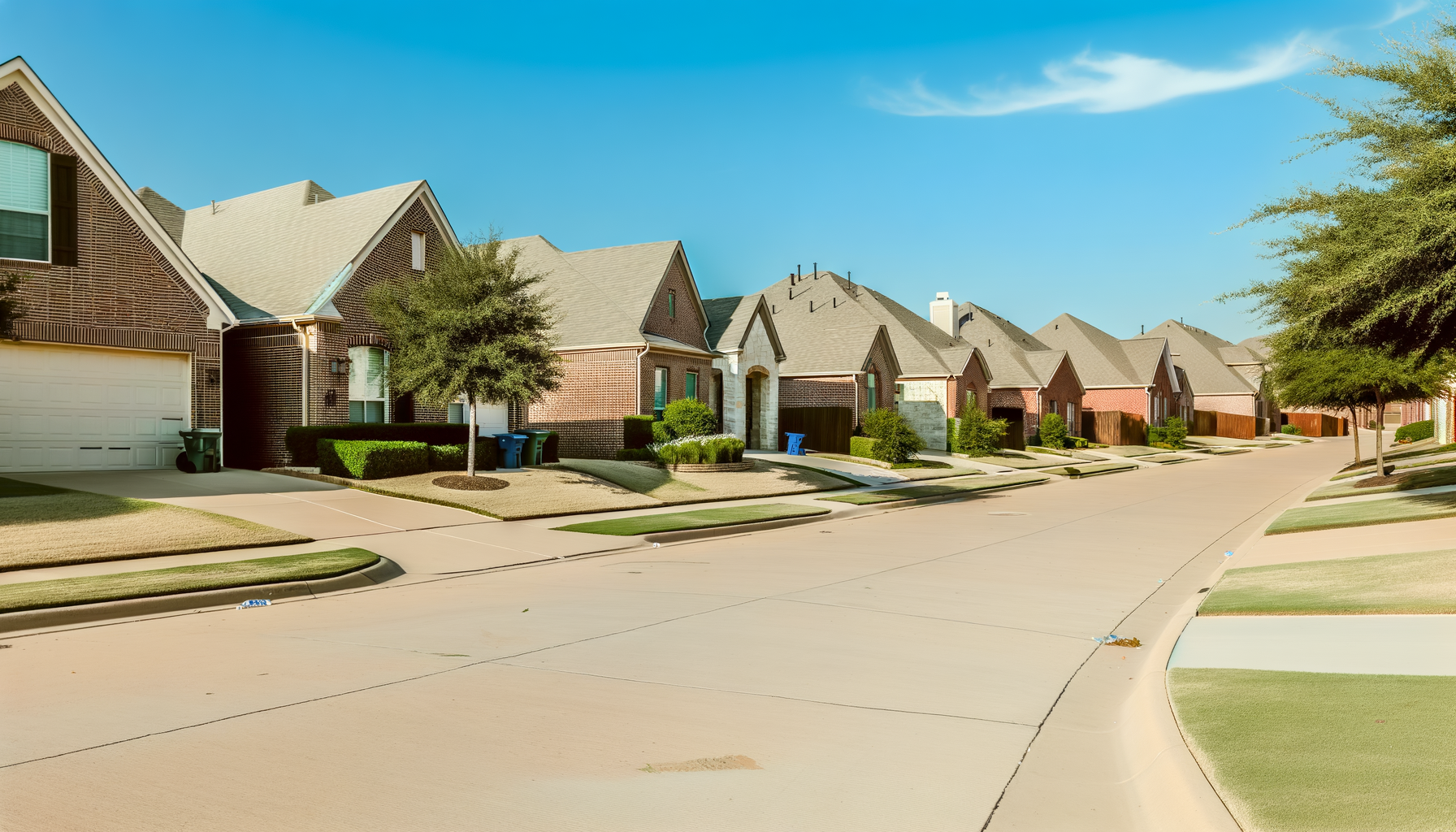
Many buyers considering a move to North Texas eventually ask whether Plano is expensive. The city’s reputation includes strong employment centers, established neighborhoods, and well-planned infrastructure — all factors that affect what residents pay. Like most mature suburbs north of Dallas, Plano’s costs depend heavily on location within the city and the type of housing someone wants.

Evaluating expense in Plano is not simply a matter of home prices. Buyers weigh total ownership costs, property taxes, HOA fees, and even utility and commuting expenses. When compared with its Dallas-area peers, Plano often sits in the middle-to-upper tier of the suburban cost range. Still, many relocators choose it because ownership costs can stabilize once you’re in the right property, and resale value tends to hold up better than in many newer outer suburbs.
If you’re curious how these factors fit together, it helps to break them down by home type, neighborhood character, and ongoing cost of living realities in Plano.
How Expensive Is Plano, TX?
Plano tends to run higher than many of the newer communities still under development farther north, but lower than luxury enclaves closer to Dallas. Its built-out nature means fewer new construction opportunities, yet buyers benefit from mature trees, established infrastructure, and consistent neighborhood value.
While relocating buyers may initially find the costs surprising compared with smaller suburbs, Plano’s expense often reflects its location near major employers and business corridors. Residents can cut down on commute time and recurring transportation expenses, which offsets the higher upfront buy-in for many buyers making a lateral move within the Dallas–Fort Worth area.
For renters, Plano generally sits above regional averages because inventory is in shorter supply and many multifamily communities have been renovated or replaced with newer mixed-use developments. Ownership, however, remains competitive when considering long-term growth and resale predictability — something many households take into account when purchasing in an established suburb rather than an emerging one.
Housing Costs in Plano
Housing is where Plano’s pricing spectrum becomes most visible. The city contains everything from 1980s brick traditional homes to newer luxury builds tucked into small private enclaves. As a result, values vary not just by square footage and condition but also by the era of construction and neighborhood design.
In areas such as Willow Bend West, homes tend to emphasize larger lots, custom floor plans, and golf course proximity. Buyers here are often paying for privacy and scale rather than simply location. By contrast, neighborhoods like Ridgeview Ranch Estates generally feature newer designs on more moderate lots, with HOA-managed community features that help maintain consistency and appeal without pushing costs into the upper tier.
An area such as Deerfield shows the blend of classic Plano housing patterns: tree-lined streets, multiple architectural styles, and midrange HOA fees that cover shared maintenance. Homes in these core neighborhoods often attract buyers who appreciate established character but still want modern updates.
Overall, housing costs in Plano lean toward stability. The lack of large undeveloped tracts limits volatility, and well-kept communities sustain property values even when newer construction farther north grabs attention with initial affordability.
Property Taxes and Ownership Costs in Plano
Texas property taxes play a big role in long-term cost calculations. Plano sits within Collin County, where effective tax rates are competitive but not the lowest in the region. For many homeowners, property tax obligations end up higher than expected compared to states with income taxes, so planning for annual adjustments is essential.
Homeowners’ associations vary widely across the city. In older Plano neighborhoods, annual fees may be minimal, covering entry landscaping and light maintenance. In master-planned subdivisions and gated sections, dues can climb, especially when amenities or private security are part of the package. Buyers eyeing larger homes in areas like Willow Bend West should factor those HOA costs into monthly budgeting alongside standard insurance and maintenance expenses.
Because Plano’s housing stock spans multiple decades, ownership costs also depend on the home’s age and condition. Roof replacements, foundation checks, and HVAC updates can influence the total cost of living as much as taxes or HOA dues, particularly in homes built during the rapid 1990s expansion.
Monthly Cost Breakdown to Think About
When determining if Plano fits your budget, it’s smart to view costs as a complete lifestyle expense rather than just a mortgage payment. Owning in Plano can include:
- Mortgage principal and interest
- Property taxes and homeowners insurance
- HOA dues (varies by neighborhood)
- Utility costs, influenced by home size and age
- Routine maintenance and occasional system upgrades
- Transportation or commuting costs
Buyers downsizing from larger suburban communities might find Plano’s operating expenses balanced by reduced travel times and access to major shopping and business centers nearby. A newer, efficient home may also offset costs through lower maintenance and energy usage, helping long-term affordability.
How Plano Compares to Nearby Areas
Relative to its neighbors, Plano generally costs more than emerging markets like Princeton or Wylie but less than premium enclaves in parts of Frisco or areas bordering the Dallas city limits. Its age as a city means more resale opportunities and fewer large-scale new developments, so move-in-ready properties can command steady pricing.
Plano’s tax base helps support consistent city services, which adds perceived value for many homeowners who prefer mature civic infrastructure over rapid-growth uncertainty farther north. Buyers comparing options within the region often see Plano as a balance point — higher entry costs than outer suburbs, but stronger pricing stability and established resale demand in return.
Considering those dynamics, Plano’s cost reflects a tradeoff between predictability and space. You may pay more upfront for a smaller lot or older property, yet benefit from stronger neighborhood continuity and less market fluctuation over time.
Is Plano Worth the Cost?
Whether Plano feels expensive depends on what you want from homeownership. Buyers focused solely on size and new construction might find better value in developing suburbs. However, those prioritizing long-term stability, mature neighborhoods, and proximity to employment often find Plano worth the premium.
The key is matching your expectations to the housing types available. Someone moving from a rural county may notice higher taxes but appreciate the tradeoff in reduced commute costs and easier access to services. Meanwhile, professionals relocating from central Dallas might see Plano’s pricing as fair considering the neighborhood appeal and space available.
In short, Plano’s cost of living is more about tradeoffs than pure expense. What you pay up front is often offset by reliability — in local governance, infrastructure, and property values that historically hold up across cycles.
About Dustin Pitts | Plano Real Estate Agent
As a local Plano real estate agent, Dustin Pitts helps buyers and sellers evaluate how local housing cost factors—like property taxes, HOA structures, and home age—affect their long-term budgets. He’s worked with clients across north Dallas suburbs and understands how Plano’s built-out housing landscape compares to nearby markets.
Dustin’s process focuses on aligning a buyer’s financial plan with the right property type, whether that means a low-maintenance home in a planned community or a larger property in one of Plano’s established subdivisions. His local insights assist sellers in pricing strategically for today’s cost-conscious market.
If you’re weighing the real cost of living and property ownership here, connect with Dustin for guidance on buying or selling in Plano. The right advice early on can clarify whether Plano’s value aligns with your goals—and help you move forward with confidence.


