
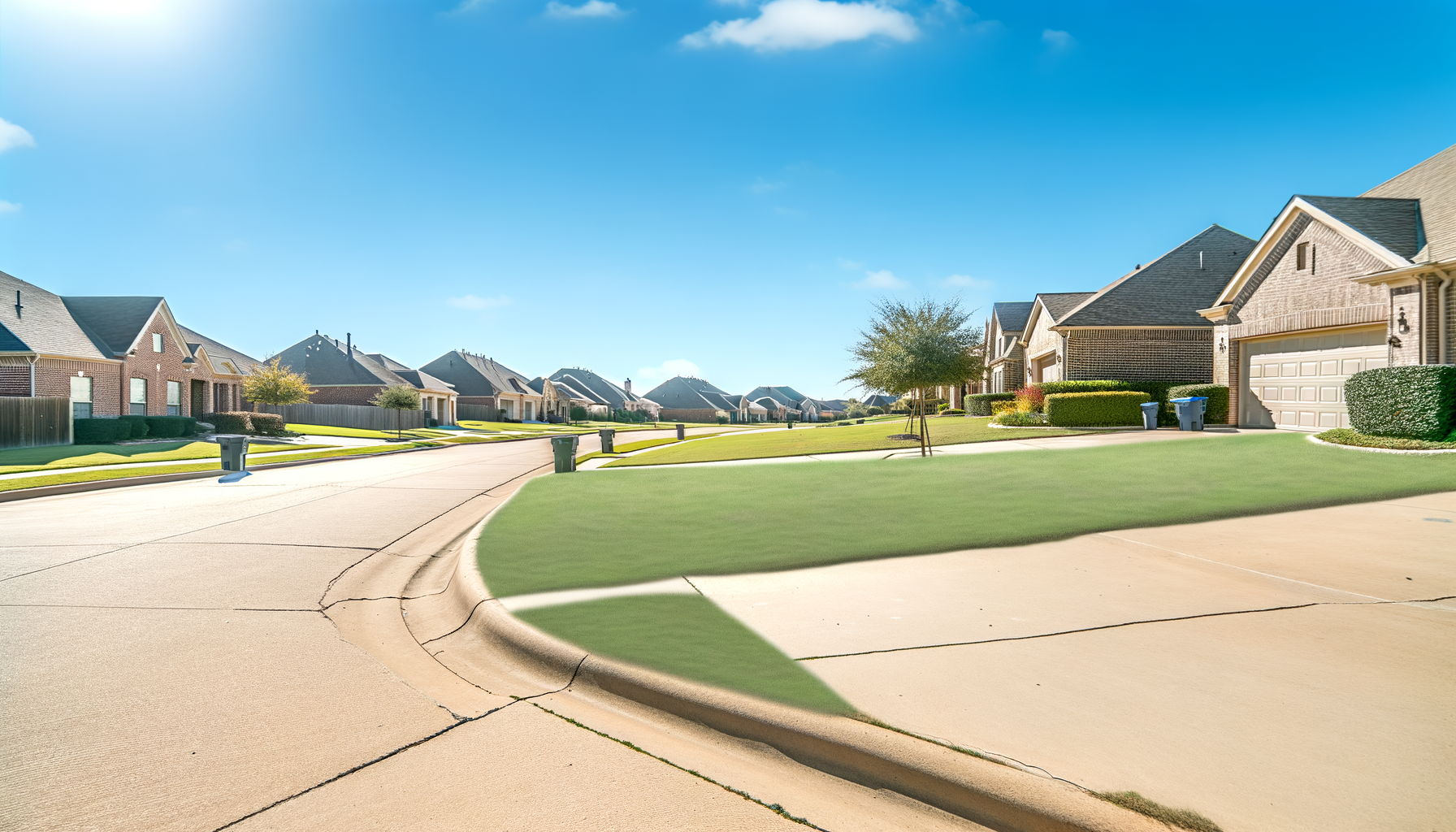
When clients ask about the cost of living in Farmers Branch compared to Dallas, the conversation usually centers on tradeoffs — space, convenience, and long-term value. Farmers Branch has carved out a more compact pocket just north of Dallas, with older neighborhoods and well-established infrastructure. For buyers exploring where their money stretches further, understanding how pricing patterns differ between the two cities is the key to making the right call. You can explore more details about the area on the Farmers Branch community page.

Many moving to North Texas first consider Dallas proper, then quickly realize that Farmers Branch can deliver some of the same conveniences with a more approachable ownership cost. That difference shows up most clearly in housing types, property taxes, and daily commuting patterns — all factors worth weighing if you’re deciding between the two.
This comparison looks beyond just home prices. It’s about how the overall cost of living integrates with lifestyle priorities — whether you prefer a deeper lot, easier highway access, or a smaller footprint that reduces long-term maintenance costs.
How Expensive Is Farmers Branch, TX?
Farmers Branch sits just inside the I-635 loop, placing it close enough to downtown Dallas for quick commutes while still maintaining a more local feel. It tends to be less expensive than central Dallas neighborhoods where land and new construction costs drive prices higher. At the same time, it often commands more than some northern suburbs that are further from key employment corridors.
What keeps Farmers Branch competitive is its established neighborhood grid and limited new development. Many homes were built decades ago, so buyers are not paying premiums for brand-new subdivisions, though modernized renovations can still bring healthy values. For renters, the apartment market here remains manageable, especially compared to similar spaces in Uptown or East Dallas.
Overall, Farmers Branch provides a cost balance that appeals to those who want urban proximity without central Dallas pricing. The city’s smaller footprint also creates a more predictable range of ownership expenses compared to areas with ongoing new-home expansion.
Housing Costs in Farmers Branch
Housing makes up the largest portion of anyone’s cost of living, and in Farmers Branch, that means deciding between long-established homes and newer infill builds. Many properties are single-story brick houses built in the mid-20th century, and several neighborhoods have seen recent updates where owners modernize interiors but retain classic layouts and larger yards.
For example, Verwood features homes that generally reflect that mid-century building period. Buyers here often value predictable home sizes and mature trees over new construction finishes. Brookhaven Estates, by contrast, tends to draw attention from those interested in proximity to local golf amenities and slightly larger homes on wider lots. Both neighborhoods illustrate how pricing can vary depending on lot size, house condition, and immediate surroundings.
Neighborhoods like Oakbrook Estates provide another layer of variation, blending renovated properties with original homes. Buyers often find that move-in-ready homes command higher price points, but fixer-uppers remain opportunities for creating value through updates. In Dallas itself, the same dollar amount might secure a townhome or condo unit rather than a detached single-family property with a yard.
For rental trends, properties in Farmers Branch typically offer better value for space compared to Dallas urban cores, though apartment communities here can still carry city-like pricing when they feature newer finishes or amenities.
Property Taxes and Ownership Costs in Farmers Branch
Texas homeowners understand that property taxes play a big role in long-term affordability. Farmers Branch has its own city tax rate layered on top of Dallas County, Carrollton-Farmers Branch ISD, and other special districts. That combination often ends up a touch lower than what you’d find in Dallas city limits, though rate differences alone rarely change the decision — it’s the total annual bill based on the home’s value that matters most.
Insurance costs are similar across the region, but older Farmers Branch properties may require updates to plumbing, roofing, or foundations over time, which adds maintenance planning for owners. Newer construction in Dallas may ease those costs but comes with higher purchase prices upfront. HOA fees are limited in most of Farmers Branch, which helps many owners avoid extra monthly costs compared to planned communities found further north.
For those considering long-term ownership, it’s worth running full cost projections — taxes, utilities, and insurance — not just a mortgage calculator. Working with a local agent familiar with both Dallas and Farmers Branch markets helps identify properties where ownership costs stay predictable over time.
Monthly Cost Breakdown to Think About
Beyond mortgage and taxes, the everyday living expenses often separate one city from another. In Farmers Branch, older housing stock can translate into slightly higher utility use, but smaller floorplans help offset that difference. Commute options can influence total vehicle expenses based on work location.
- Transportation: Easy highway access can shorten daily drives but gas and parking costs should still be factored in.
- Utilities: Energy usage in older homes may trend higher; energy-efficient updates quickly make a difference.
- Groceries and services: Pricing on essentials is consistent with nearby Dallas suburbs.
- Home maintenance: Plan for renovations if purchasing a property that hasn’t been updated in decades.
These categories create the full picture of monthly living costs. Buyers who take time to model these scenarios early can better gauge which location truly fits their budget long term. The Farmers Branch neighborhoods guide can also help evaluate property styles that align with maintenance goals and affordability.
How Farmers Branch Compares to Nearby Areas
Compared to Dallas, Farmers Branch often delivers more space per dollar and lower overall housing costs, though it doesn’t always match the trendier new builds or entertainment options found closer to the city core. For many, that’s a fair exchange — suburban convenience without losing quick access to Dallas employment centers.
Against suburbs further north, such as Carrollton or Addison, Farmers Branch has shorter routes into central Dallas and a more established property mix. However, fewer master-planned developments mean fewer new-build opportunities, so some buyers focused on new construction may eventually expand their search outward.
In practice, Farmers Branch attracts homeowners who value location efficiency. The city’s mix of older and updated homes gives buyers flexibility to prioritize either price savings or move-in readiness depending on financial goals.
Is Farmers Branch Worth the Cost?
For many buyers, the cost difference between Dallas and Farmers Branch translates into what kind of living environment they want: a smaller footprint closer to the city or more room in an established suburb. Farmers Branch buyers tend to find that homeownership expenses remain manageable, and resale values benefit from consistent demand tied to geographic convenience.
There are tradeoffs — older construction requires attention, and remodel budgets can add up. But for those willing to invest in a well-located property, the long-term value can outperform paying higher market rates closer to downtown. Renters also appreciate the steady pricing structure here compared to the volatility in central Dallas lease markets.
Ultimately, Farmers Branch’s worth depends on how a buyer measures cost versus convenience. When evaluated pragmatically, it represents an affordable way to stay close to Dallas amenities without absorbing city-level ownership expenses.
About Dustin Pitts | Farmers Branch Real Estate Agent
As a local Realtor focused on comparing opportunities across Dallas County, Dustin Pitts provides detailed guidance for buyers evaluating housing costs and ownership value. If you’re considering buying or selling in Farmers Branch, his market insight helps align decisions with long-term financial goals.
Dustin’s approach focuses on clarity — helping clients understand each property’s tradeoffs so they can move decisively. Having worked with clients on both sides of the Dallas city line, he brings nuanced perspective on how cost, taxes, and lifestyle intersect in real terms.
To discuss your plans or explore next steps toward your home purchase, contact Dustin today for real estate help in Farmers Branch and get a clear plan tailored to your budget and priorities.


