
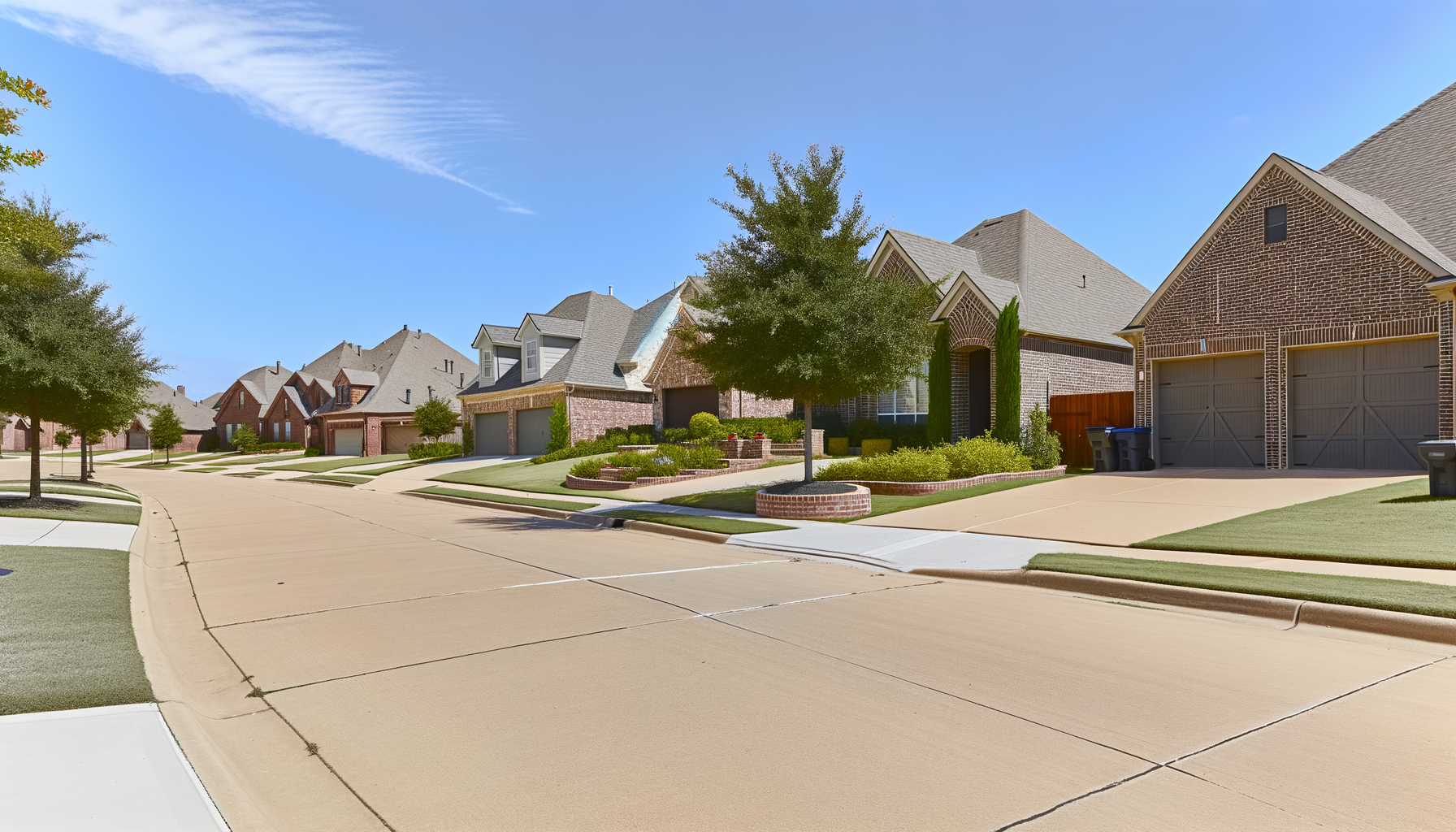
Evaluating the cost of living in Farmers Branch takes more than checking home prices. The city’s location, established housing stock, and local services all influence monthly costs. For buyers comparing Dallas-area suburbs, understanding how Farmers Branch fits into the broader economic landscape helps make long-term budget planning realistic.

Farmers Branch tends to attract people who want to stay near the core of Dallas County without paying the same premium as newer developments further north. You’ll find older, tree-lined streets, mid-century construction, and smaller-scale neighborhoods in convenient spots for commuting. The city has been gradually updating its infrastructure and public spaces, which has added appeal but also incremental costs depending on where you buy.
Below, we’ll look at how the main expenses—housing, taxes, and utilities—come together to shape the overall cost of living for homeowners in Farmers Branch going into 2026.
How Expensive Is Farmers Branch, TX?
Farmers Branch sits in a cost range lower than newer northern suburbs but higher than some southern Dallas County areas. Its main appeal is proximity: residents can reach key employment centers without an intense commute. You’re generally paying less for newer finishes and more for access and location convenience. Many homes here were built before the 1980s, which keeps some prices manageable while offering the kind of lot size and layout no longer found in new construction.
Living costs in Farmers Branch also vary by property age and renovation level. Updated properties with modern design elements draw higher prices than homes that still need upgrades. However, the overall balance of cost versus location advantage keeps Farmers Branch competitive with nearby markets like Carrollton or Addison, especially for buyers prioritizing single-family homes over townhomes or apartments.
Housing Costs in Farmers Branch
Housing costs in Farmers Branch range widely depending on neighborhood character and the age of the home. Areas with larger tree coverage and established streets tend to include older homes on mature lots. In contrast, parts of the city closer to redevelopment zones offer newer construction but often with smaller yards and tighter layouts.
Buyers looking in Verwood often find mid-century-styled homes that have been either fully remodeled or partially updated by investors. These properties give quick access to major routes while maintaining a quiet residential setting. In Oakbrook Estates, the lots tend to be slightly larger and the homes a bit newer, appealing to those who value extra outdoor space or room for expansion.
Meanwhile, Brookhaven Estates includes some of the city’s more distinct properties, especially those backing to green spaces or golf areas. While these homes often command higher prices, their resale consistency tends to justify the investment. Overall, Farmers Branch housing costs hinge on balancing renovation potential, yard size, and convenience to main corridors.
Property Taxes and Ownership Costs in Farmers Branch
As part of Dallas County, property taxes in Farmers Branch form a major portion of total living expenses. Rates here can feel higher than those in neighboring counties, but careful attention to exemptions and assessments can make a noticeable difference. Homeowners who renovate or expand should anticipate reassessment that may impact annual property costs.
Home insurance premiums in Farmers Branch tend to reflect the area’s older housing stock and seasonal weather considerations. Maintaining roofs, foundations, and drainage can reduce long-term ownership costs. Some neighborhoods include optional homeowners’ associations, but most established areas operate without mandatory fees, which helps lower monthly outlays for many residents.
When budgeting, buyers should include ongoing maintenance for mature landscaping and older systems. Heating, cooling, and plumbing updates can pay for themselves in efficiency savings, particularly in homes that haven’t been recently modernized.
Monthly Cost Breakdown to Think About
The overall cost of living extends beyond the mortgage payment. Buyers evaluating Farmers Branch should consider:
- Utilities: Water and trash services are city-managed, and older homes may require efficiency upgrades to manage electricity bills during hot months.
- Maintenance: Many houses here were built decades ago, so planning for roofing, HVAC, and foundation work helps prevent surprises.
- Insurance and Taxes: Both fluctuate with property value and weather history. Reviewing coverage annually is essential as the home appreciates.
- Transportation: While Farmers Branch is centrally located, budgeting for fuel or transit still plays into overall cost of living.
Taken together, these expenses vary less with market conditions and more with how the home is managed. Budgeting realistically at the front end keeps ownership sustainable long term.
How Farmers Branch Compares to Nearby Areas
Compared to Addison or Las Colinas, Farmers Branch properties generally provide more square footage and yard space for a similar purchase price, albeit with older construction. On the other hand, buyers considering Carrollton might find newer developments at comparable prices but likely farther from central Dallas job centers.
Farmers Branch offers a practical middle ground—particularly for those balancing budget and commute. Many households moving from inside Dallas city limits find the tradeoff worthwhile: slightly higher property taxes offset by lower mortgage costs and manageable upkeep. Access to dining, shopping, and major highways continues to improve, reinforcing its long-term value without matching the price spikes of newer northern suburbs.
Is Farmers Branch Worth the Cost?
For most homeowners, the question isn’t whether Farmers Branch is cheap or expensive—it’s whether the mix of convenience, home style, and ongoing cost fits their goals. Many buyers prioritize its central location, vintage architecture, and manageable scale. The tradeoff often comes with renovation work or smaller interior layouts compared to newer developments elsewhere.
What keeps Farmers Branch appealing is its staying power. It rarely swings dramatically in value compared to trend-heavy markets. Buyers who update strategically and maintain their properties tend to see stable appreciation. As city revitalization continues, the overall cost of living remains balanced by access and neighborhood maturity.
About Dustin Pitts | Farmers Branch Real Estate Agent
As a Farmers Branch real estate agent, Dustin Pitts has worked with buyers and sellers evaluating both established and redevelopment areas throughout this part of Dallas County. His experience helps clients understand how location, property age, and hidden ownership costs affect long-term value.
Dustin’s background includes years of helping homeowners weigh renovation budgets against potential resale, create realistic living-cost projections, and navigate the nuances of older Dallas-area properties. His local insight ensures buyers know exactly what to expect when investing in Farmers Branch real estate.
If you’re considering buying or selling and want clear, experienced guidance on real estate help in Farmers Branch, reach out to Dustin Pitts to start planning your next move with insight grounded in local experience.


