
For buyers comparing Richardson and Dallas, the question of cost of living often comes down to practicality more than numbers on paper. Both areas share the same North Texas economy, but day-to-day costs—especially housing and transportation—play out differently. Understanding these tradeoffs helps you decide whether your budget stretches further just inside Dallas city limits or a few miles north in Richardson.

Richardson draws attention for its blend of established neighborhoods, good access to major employment centers, and manageable local taxes compared to some inner-ring suburbs. Dallas, on the other hand, has broader housing styles and pricing tiers but also higher ownership costs in many desirable zip codes. Comparing the two means looking closely at housing, utilities, taxes, and insurance costs rather than headline prices alone.
How Expensive Is Richardson, TX?
From a local standpoint, Richardson sits in the midrange of Dallas-area suburbs. It’s not the least expensive—older suburbs like Garland tend to come in lower—but it also doesn’t command the same premiums as Plano or North Dallas. What you typically see is steady demand from buyers who want proximity to major employers without paying Dallas city expenses or dealing with its older infrastructure.
Richardson’s location along US-75 means residents can reach Downtown Dallas quickly, but everyday costs such as groceries, dining, and utilities tend to align more with suburban averages than urban markers. That makes Richardson appealing for those who prioritize predictable monthly expenses alongside access to city amenities.
Housing Costs in Richardson
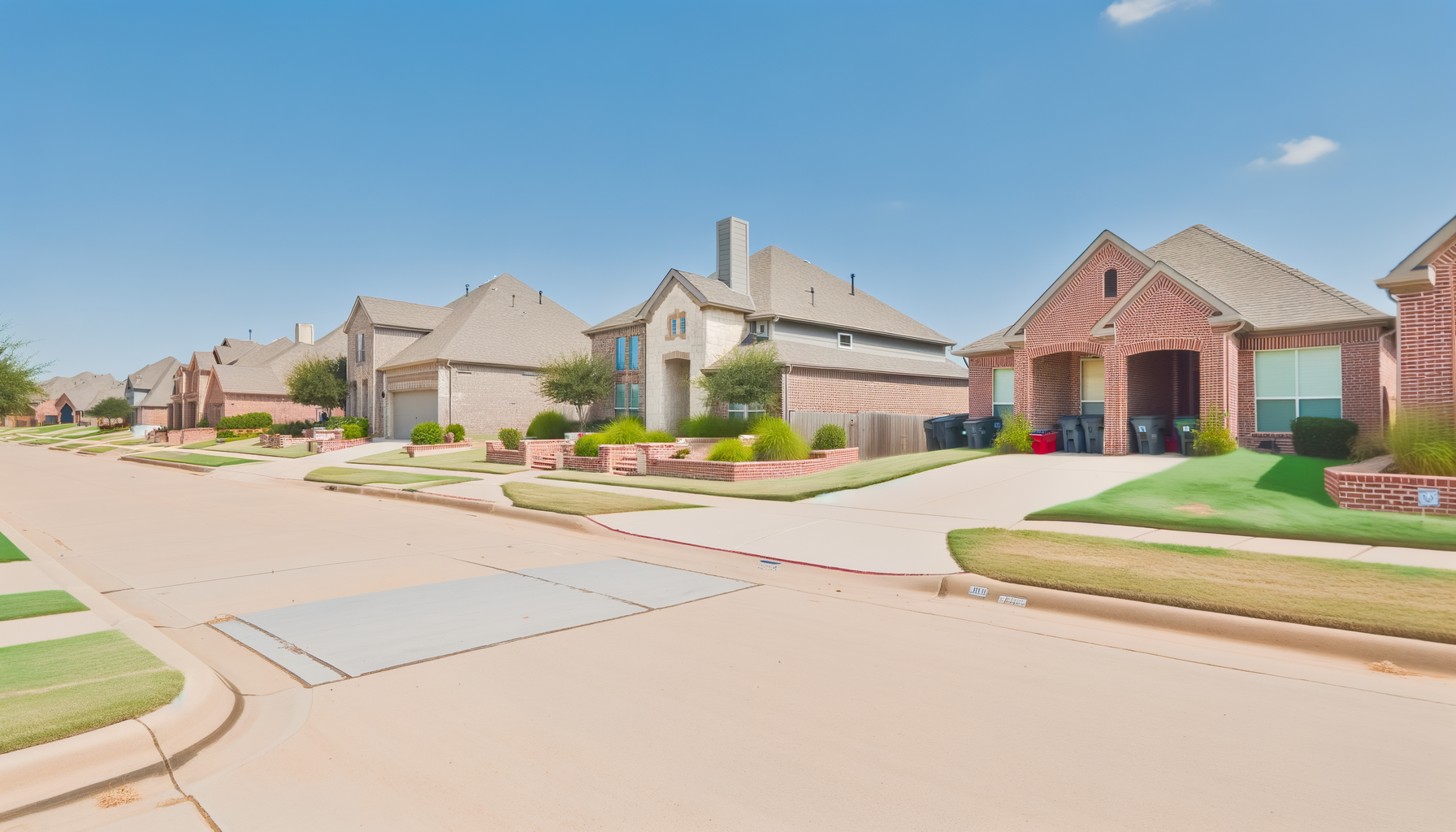
Housing accounts for the largest share of cost-of-living differences between Richardson and Dallas. In Richardson, homes range from mid-century ranch styles to newer builds in planned communities along the eastern side of town. Older neighborhoods west of Central Expressway may offer smaller lots and mature trees, while more recent developments eastward feature larger footprints, open-concept layouts, and HOA-maintained common areas.
Among established subdivisions, Prairie Creek Meadows stands out for its larger lots and extensive renovation activity, giving buyers a chance to get an updated home without new construction pricing. On the newer side, Hills Of Breckinridge and nearby communities showcase modern layouts and brick exteriors common in late-1990s and early-2000s builds. East Richardson developments like Creek Hollow Estates often attract buyers seeking homes with a bit more square footage and low-maintenance lots.
Inside Dallas, the housing picture is broader. Areas like East Dallas, Lakewood, or Preston Hollow carry premium prices and higher property upkeep costs. South and west Dallas neighborhoods can be more affordable but generally involve tradeoffs in home age, renovation work, or distance to certain job centers. While Dallas gives you more variety, Richardson’s consistency in community standards and housing stock can make ownership costs more predictable year over year.
Property Taxes and Ownership Costs in Richardson
Taxes in Richardson generally sit near the regional average, but small differences add up when calculating long-term affordability. Dallas includes both city and county taxes, while Richardson’s structure often balances city services with relatively efficient local administration. The effective tax rate may vary slightly depending on neighborhood boundaries and any applicable special districts, so buyers should evaluate this line item before closing.
Insurance costs depend on home age and materials. Brick exteriors, common throughout Richardson, can help keep rates moderate compared to older frame houses in some parts of Dallas. HOA dues appear in certain subdivisions—especially newer ones with shared amenities—and can range from minimal maintenance fees to more substantial community budgets. While those dues contribute to curb appeal and upkeep, they are a recurring expense worth factoring into your monthly ownership total.
Monthly Cost Breakdown to Think About
When comparing Richardson and Dallas, the following line items shape the monthly budget most directly:
- Mortgage and Taxes: Principal, interest, and local assessments collectively define the baseline payment difference between Dallas and Richardson properties.
- Insurance: Varies depending on the home’s construction and weather exposure. Richardson’s newer homes can sometimes qualify for lower premiums.
- Utilities: Water and electric bills in Richardson stay relatively consistent, partly because many neighborhoods have similar lot sizes and home ages.
- HOA Dues: Found in select Richardson areas and nearly all Dallas master-planned communities—look closely at what services those dues cover.
- Commuting: Dallas homeowners who work downtown may save drive time, but Richardson residents often offset longer commutes with lower housing costs.
Evaluating these costs side by side clarifies how lifestyle differences play into budgeting. Richardson homeowners often find the predictability appealing—taxes, utilities, and maintenance track closely across neighborhoods, making future planning easier.
How Richardson Compares to Nearby Areas
From a cost standpoint, Richardson sits between Dallas and Plano, both geographically and financially. Dallas offers everything from entry-level condos to luxury estates but demands higher property taxes and varied infrastructure costs. Plano’s newer developments tend to command more per square foot, though they sometimes trade off in commute convenience for Richardson workers heading toward central Dallas or telecom corridors nearby.
Richardson homeowners often appreciate its balance—close to major business districts, established utilities, and steady resale appeal—without the price surges seen in newer master-planned suburbs. Those advantages appear not in one category alone but in overall ownership control and consistency over time.
Is Richardson Worth the Cost?
For many buyers, Richardson’s value lies in its predictability and central access. The cost of living may be slightly higher than certain outer-ring suburbs, but what you get—updated infrastructure, strong resale patterns, and access to the Dallas business core—is tangible. Dallas itself brings diversity in housing and entertainment, though those conveniences come with higher ownership costs and often older home stock.
Ultimately, the decision comes down to preference. If you prefer neighborhoods with cohesive design and strong maintenance standards, Richardson delivers steady ownership conditions that Dallas doesn’t always match. If you lean toward character homes or urban proximity, Dallas might warrant the premium. Either way, knowing where costs differ helps align the right location with your long-term financial comfort.
About Dustin Pitts | Richardson Real Estate Agent
As a local agent specializing in buying or selling in Richardson, Dustin Pitts guides clients through the cost and value differences between Dallas and its northern suburbs. With years of experience helping homeowners assess tax impacts, HOA structures, and renovation tradeoffs, he brings a grounded perspective to each client’s decision process.
Dustin’s approach centers on clarity and practical advice. Whether you’re comparing older ranch homes near central Richardson or evaluating a newer build east of 75, his local market insight ensures you understand what you’re paying for—and how ownership costs might look five years down the road.
If you’re preparing to make a move or simply want a detailed breakdown of the Richardson real estate market, contact Dustin Pitts today to discuss next steps and explore options that match your budget and long-term goals.


