
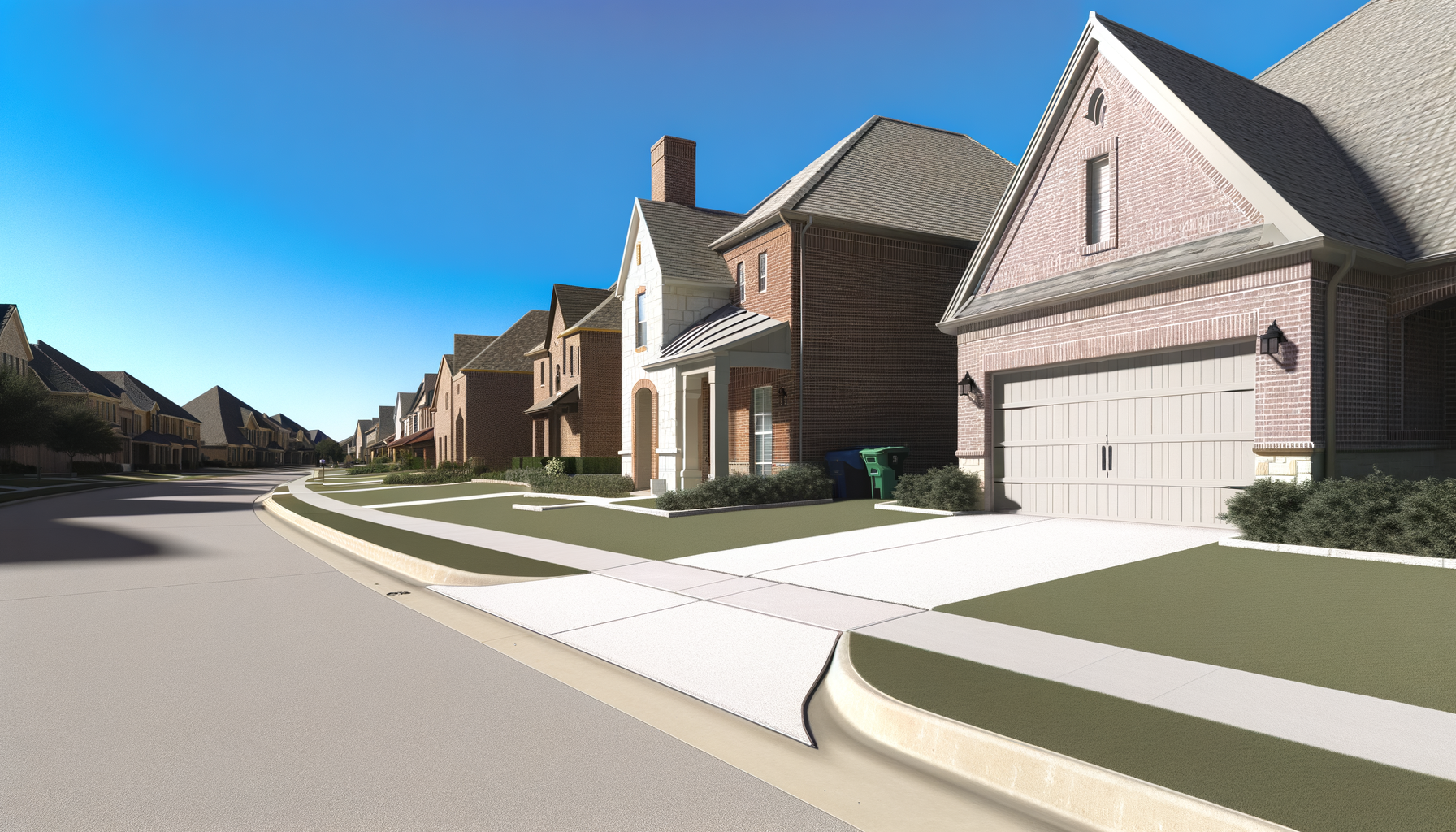
Comparing the cost of living between Irving and Dallas can look straightforward on paper, but buyers quickly see the nuances once they start touring homes. Proximity to job centers, property tax variations, and housing stock diversity all shape what a household really spends month to month. Irving draws attention for its central location in the Metroplex, but not everyone realizes how its housing makeup differs from Dallas proper.

Buyers considering Irving often start their search because it sits close to major employment hubs while avoiding some of the premium pricing found closer to downtown Dallas. The difference isn’t only in listing prices — utility costs, maintenance expectations, and HOA structures also shift from one city to another. Understanding those layers makes a big difference when weighing what each city actually costs to live in.
This comparison breaks down where those costs come from, what types of housing contribute to the expense, and why Irving sometimes stretches dollars differently than Dallas. The goal isn’t to declare one “cheaper” than the other, but to help someone see where the tradeoffs lie before committing to either.
How Expensive Is Irving, TX?
In relative terms, Irving sits in the midrange of Dallas-area expenses. Location plays a major role: the city’s position between downtown Dallas and DFW International Airport adds convenience that many buyers value, but the overall cost structure is balanced by the city’s broad range of housing types and smaller lot sizes in some areas compared to outer suburbs.
While Dallas remains the economic core of North Texas, living directly inside Dallas city limits typically carries higher costs related to property taxes, insurance, and older infrastructure upkeep. In Irving, these costs tend to be steadier, particularly for newer subdivisions designed with energy efficiency and lower maintenance in mind.
Commuting expenses are often lower for Irving homeowners working in the Las Colinas or DFW corridor. That advantage can offset some housing cost differences, depending on work locations and transportation preferences.
Housing Costs in Irving
Housing is the largest cost difference between the two cities. Irving’s neighborhoods offer a distinct contrast to the more historic and lot-heavy areas of Dallas. The mix includes master-planned communities, townhome developments, and older traditional subdivisions built during different growth phases of the city.
In Valley Ranch, homes are often newer with efficient layouts and HOA-maintained landscaping that keeps costs predictable. Buyers drawn to townhomes and low-maintenance living often find better value here versus similar options in Dallas proper, where newer developments sit at a higher premium.
La Villita along the Elm Fork of the Trinity River appeals to buyers seeking attached or patio-style homes built in the 2000s. Architectural consistency and shared green spaces create a cohesive neighborhood feel without pushing maintenance costs too high. In contrast, custom properties in Cottonwood Valley near the Las Colinas area show the upper tier of Irving pricing—with larger homes, gated access, and established landscaping that require higher upkeep budgets akin to many Dallas luxury neighborhoods.
Compared to Dallas, Irving’s housing market typically offers newer construction at lower starting points, but with less variety in older architectural styles. Dallas buyers, especially those focused on historic neighborhoods or larger lots, often pay more for age and location prestige. Irving buyers trade some of that for efficiency, convenience, and potentially lower maintenance costs.
Property Taxes and Ownership Costs in Irving
Property taxes in Irving align closely with those in other parts of Dallas County, though differences in city rates and appraised values can shift annual obligations. While no homeowner escapes the impact of Texas property tax increases, some Irving neighborhoods offset part of that burden with energy-efficient designs, HOAs that handle exterior maintenance, and smaller lot sizes that keep assessments modest compared to sprawling Dallas estates.
Insurance costs in Irving can fluctuate depending on proximity to flood zones or major traffic corridors, but the city’s elevation and central infrastructure help limit excessive premiums. Buyers evaluating cost of living should weigh insurance across multiple carriers to capture the advantage of Irving’s newer housing stock, which often qualifies for discounts unavailable in older Dallas properties.
HOA dues can add monthly expense, particularly in master-planned areas or gated sections, but those fees sometimes cover front yard care, exterior painting cycles, or recreational space upkeep—services that offset individual maintenance obligations. That tradeoff should be examined carefully during budgeting.
Monthly Cost Breakdown to Think About
Beyond the mortgage and taxes, homeowners in both cities face practical monthly costs that add up differently. The total cost of living snapshot should include:
- Utilities: Newer homes in Irving are often energy efficient, helping reduce electric costs compared to older Dallas homes.
- Transportation: Proximity to major highways and centralized job centers shortens commutes for many Irving households.
- Maintenance: Irving townhome communities may bundle exterior work into HOA fees, while Dallas homeowners might handle those individually.
- Insurance: House age and location can shift premiums; newer construction may yield savings.
Buyers balancing these categories over the long term often find that Irving households allocate a larger share to HOA costs but a smaller one to utilities and personal maintenance. Dallas homeowners may face the reverse balance, especially in historic neighborhoods with independent property upkeep.
How Irving Compares to Nearby Areas
When compared directly, Dallas sits at the higher end of general cost metrics, mainly driven by higher median property values and urban maintenance factors. Irving divides its expense structure between convenience and efficiency—smaller lots near employment centers make ownership practical without stretching budgets too thin.
Other nearby cities like Coppell and Grand Prairie show parallels in pricing and home age, but Irving’s internal diversity sets it apart. Buyers moving from Dallas often remark how predictable the monthly expenses feel once they factor in fewer commuting miles and homes built with energy codes from more recent decades.
For renters, Irving frequently provides better space-for-dollar ratios versus central Dallas units, particularly in mixed-use developments that share amenities across communities.
Is Irving Worth the Cost?
Buyers often find that paying for convenience in Irving delivers everyday value. The city’s infrastructure and layout keep daily logistics manageable, saving time and direct costs like fuel. Long-term owners appreciate the relative predictability of expenses, especially in well-run HOA neighborhoods or newer construction.
However, not every buyer chooses Irving for the same reason. Those prioritizing distinct architectural character or larger lot sizes may see Dallas as the stronger option. The decision often comes down to whether new construction convenience or established urban charm takes priority in a budget.
For many, Irving offers a cost balance that supports mobility and flexibility in a North Texas lifestyle. Understanding how each cost category aligns with your specific priorities will make that choice much clearer.
About Dustin Pitts | Irving Real Estate Agent
As an experienced Irving real estate agent, Dustin Pitts helps buyers and sellers compare city-level differences like housing costs, property taxes, and ownership expenses before making a decision. His understanding of neighborhood-level trends across the Metroplex provides practical guidance for clients weighing Irving against nearby Dallas communities.
Dustin’s approach centers on precision — looking beyond list prices to help clients forecast monthly cost structures and realistic living expenses. He tailors advice to align with each buyer’s financial goals and long-term ownership plans in the Irving and Las Colinas markets.
If you’re planning to buy or sell and want professional guidance fine-tuned to local costs, contact Dustin Pitts for real estate help in Irving and start planning your next move with confidence.


