
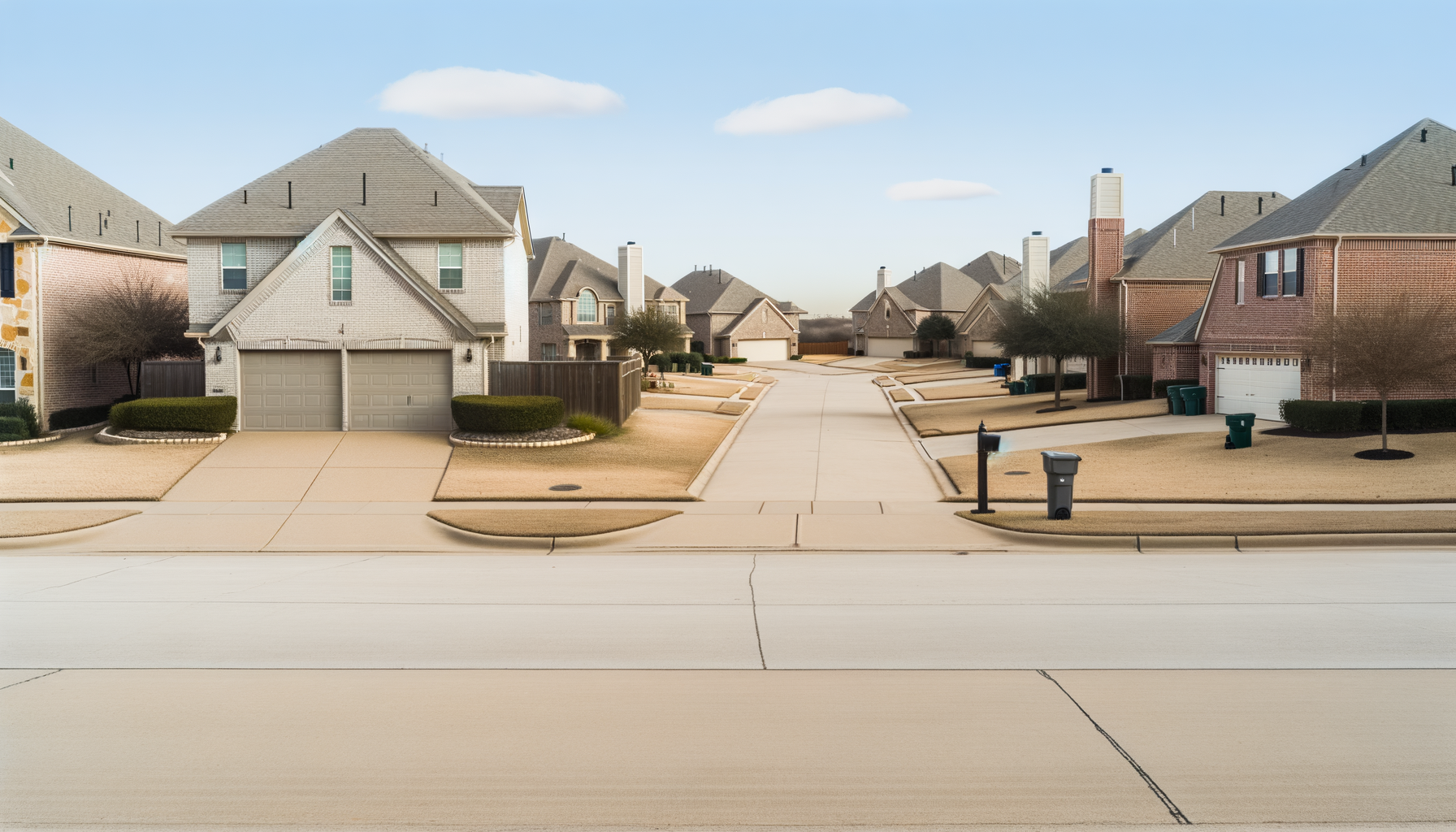
Deciding whether Irving fits your budget involves more than comparing listing prices. The city’s position in the center of the Metroplex makes it unique — close to job hubs in both Dallas and Las Colinas, with a wide mix of housing and lifestyle costs. This guide outlines what to expect when evaluating the cost of living in Irving in 2026, including the major expenses that come with owning or renting here and how it stacks up to nearby areas.

Buyers moving to Irving often narrow their search around work locations, home size, and ownership costs. Irving’s footprint and zoning create noticeable differences between communities: urban-style condos near corporate centers, quiet cul‑de‑sacs with mature homes, and gated golf communities. Understanding these distinctions early helps you determine what your true monthly expenses will look like once you settle in.
How Expensive Is Irving, TX?
Irving’s costs run mid-range compared to nearby suburbs. It’s generally less expensive than Plano or Coppell but tends to cost more than Grand Prairie or portions of Arlington. The broad range of housing stock contributes to this flexibility — newer master-planned areas with HOA fees may carry higher monthly costs, while older neighborhoods without them offer lower ongoing expenses.
Because Irving sits directly between Dallas and DFW Airport, it draws a mix of professionals who value access to multiple business centers. That proximity can keep housing demand steady, which in turn influences pricing stability year over year. While you might pay a premium for convenience, transportation and commuting savings often offset that higher home or rent cost.
Housing Costs in Irving
Housing prices in Irving vary widely depending on location, age, and style of home. For instance, Valley Ranch features carefully planned subdivisions and townhome communities, known for tidy landscaping and private HOA amenities. Homes here tend to have smaller yard space but less exterior maintenance, which can appeal to homeowners who prefer low-upkeep living.
By contrast, La Villita sits along tree-lined streets near Lake Carolyn with newer construction and Mediterranean-style architecture. Buyers drawn to newer building materials or walkable layouts may find it a better match, though HOA dues and insurance on newer properties can increase monthly totals slightly.
On the higher end of Irving’s housing spectrum, Cottonwood Valley offers larger homes on wide lots adjacent to a private golf environment. While that brings prestige and established landscaping, buyers need to account for increased property taxes, larger insurance policies, and more intensive upkeep. Across the city, older single-story homes are often more affordable upfront but may require updates to systems or roofs over time. Condos and townhomes in mixed-use developments can reduce maintenance costs but commonly include monthly association fees.
Property Taxes and Ownership Costs in Irving
Texas property taxes are a significant line item in any homeowner’s budget, and Irving is no exception. Because rates vary slightly among taxing authorities, buyers should estimate their annual obligation based on current valuations and local rates. Properties within managed communities will often have additional HOA assessments — sometimes modest, sometimes substantial depending on the amenities offered.
Homeowners insurance in Irving can fluctuate depending on proximity to water features or roof age. Buyers considering the city’s older areas should budget for periodic updates, particularly roofing and foundations, which are common maintenance items in North Texas. Taking these costs into account during purchase planning prevents surprises later on and helps you compare long-term value with nearby suburbs.
Monthly Cost Breakdown to Think About
When evaluating your total cost of living, it helps to outline all recurring monthly expenses, not just your mortgage or rent. Key cost categories include:
- Property taxes, insurance, and HOA fees
- Utilities such as electricity, gas, and water, which can fluctuate with summer usage
- Transportation and commuting expenses within the Metroplex
- Maintenance or landscaping costs if the property lacks HOA coverage
- Dining, entertainment, and everyday service spending
Because Irving sits between major highway systems, drivers often save time compared to longer suburban commutes. However, gas and toll costs should still be calculated when comparing affordability to areas further from the city core. Residents in master-planned neighborhoods might trade yard size for reduced maintenance or lower commuting stress — a factor worth weighing in the monthly equation.
How Irving Compares to Nearby Areas
Against neighboring suburbs, Irving tends to balance location with relative affordability. Areas north of Irving, like Coppell or Plano, often reflect higher home values due to newer construction and tight inventory. Meanwhile, cities to the west such as Euless or Grand Prairie may provide slightly lower purchase prices but come with longer drives for those commuting to Dallas or Las Colinas.
Irving’s central position makes it appealing to those wanting to stay close to employment corridors while avoiding downtown pricing. The tradeoff lies in lot size — homes here typically sit on smaller parcels than in more outlying suburbs. Still, the day-to-day convenience, quick highway access, and variety of housing formats make Irving a balanced choice when weighing total cost of living.
Is Irving Worth the Cost?
For buyers seeking strong access to DFW Airport, corporate centers, and Dallas entertainment without the density or expense of downtown living, Irving often justifies its cost. The city supports a range of home types — from compact townhomes to larger estate properties — which allows different budget levels to participate in the market. What you gain is efficiency: location and lifestyle wrapped into one footprint.
The key is assessing value beyond initial purchase price. A home that reduces commute stress, maintenance time, or long-term upkeep may provide better financial sense even if it costs more upfront. When comparing across DFW, Irving’s combination of accessibility and established infrastructure makes it a stable market for both homeowners and investors.
About Dustin Pitts | Irving Real Estate Agent
As a local agent who provides real estate help in Irving, Dustin Pitts has guided many clients through the details that shape overall affordability — from property taxes to neighborhood-specific HOA obligations. His insight comes from years of transactions throughout the Dallas area and a familiarity with how Irving’s housing patterns impact cost of ownership.
Dustin’s approach centers on practical advice and full transparency, helping buyers and sellers make clear comparisons between Irving and nearby suburbs. Whether evaluating a modern home in La Villita or a larger property in Cottonwood Valley, his goal is to match each client’s financial priorities with the right long-term fit.
To start evaluating your options or discuss current housing costs, connect with Dustin Pitts for buying or selling in Irving and get a detailed perspective on where your budget fits best in today’s market.


