
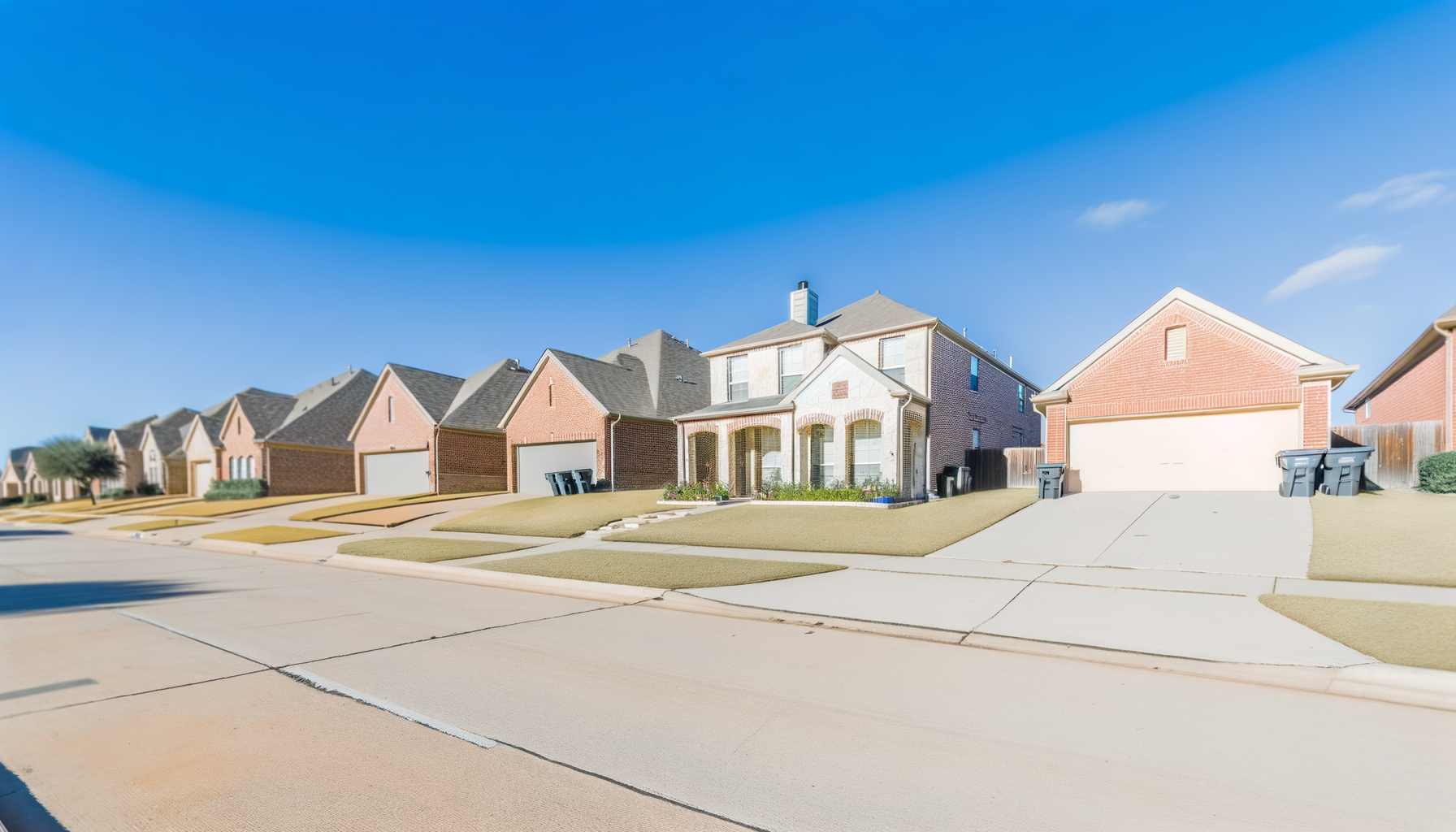
When people ask if Carrollton, TX is expensive, they’re often weighing quality of life, location, and practicality more than price tags alone. Whether you’re relocating from downtown Dallas or comparing suburbs, cost in Carrollton comes down to a balance of home type, property taxes, and day-to-day expenses. As a city that spans parts of Dallas, Denton, and Collin counties, Carrollton offers a broad range of housing settings—but understanding where the real costs lie helps set realistic expectations before you buy. You can explore more details about the area on the Carrollton neighborhoods page.

Buyers moving into the Dallas metro often find Carrollton sitting in the midrange—it’s rarely the cheapest suburb, but it’s not among the most expensive either. The cost varies based on whether you’re after newer construction, established subdivisions, or smaller, low-maintenance homes near major corridors like the George Bush Turnpike. What makes Carrollton distinct is that it gives buyers proximity to employment centers and shopping without the typical new-construction price premiums you see deeper north in cities like Frisco or Plano.
How Expensive Is Carrollton, TX?
By Dallas-area standards, Carrollton strikes a fairly balanced cost profile. It’s more affordable than newer northern suburbs where land and HOA costs run high, yet pricier than older areas with aging infrastructure or limited updates. This middle ground appeals to buyers who value access and convenience but want to stay within a reasonable price bracket.
Housing prices reflect both geography and age of construction. In the western parts of Carrollton, homes built in the 1980s and 1990s often come with lower per-square-foot costs than newer builds in master-planned communities. Buyers looking for newer interiors or modern layouts typically find themselves comparing their options carefully, since updated or recently remodeled homes can push costs upward even within older tracts.
Housing Costs in Carrollton
Housing costs are where most buyers feel the difference between one Carrollton neighborhood and another. In older pockets near Downtown Carrollton or the eastern side of the city, homes might be more compact, with smaller lots and traditional layouts. Repairs, updates, or renovations might weigh on long-term cost. Buyers focused on convenience and less lawn maintenance often find these tradeoffs worthwhile.
Newer neighborhoods such as Wellington Run tend to carry slightly higher price tags due to more modern floorplans, larger lots, and curb appeal associated with cohesive community design. These properties tend to have updated systems and energy-efficient features, reducing early maintenance but adding a premium to the upfront price. The layout and planned design appeal to those prioritizing recent construction in Carrollton without venturing to pricier northern suburbs.
In contrast, Northside Place illustrates how location and accessibility can influence value. Its position near major highways and commercial corridors attracts buyers seeking shorter commutes and quick retail access. While homes here might be on smaller lots or attached designs, the tradeoff is lower base pricing and less outdoor upkeep.
When looking across Carrollton’s housing stock, expect variation depending on upgrades, HOA participation, and community age. Established subdivisions often have mature trees and existing infrastructure, while newer sections offer modern finishes at a higher entry cost. The right match depends on whether the buyer values updated space or lower long-term carrying costs.
Property Taxes and Ownership Costs in Carrollton
Property taxes in Carrollton are among the biggest factors affecting affordability. With the city spanning multiple counties, the tax rate can differ block to block. Buyers should always verify which county applies before finalizing a purchase, as county-level rates and exemptions vary. Local taxes fund city services and infrastructure, and their cumulative effect is often more noticeable than the difference in list prices among homes.
Homeowner associations add another layer of recurring cost, especially in communities with shared amenities or neighborhood maintenance. Fees can range from minimal in older subdivisions to more substantial in newer, planned sections. Home insurance rates also fluctuate based on construction age, roof type, and location relative to flood or storm zones.
Maintenance should be part of cost planning from the start. Older homes often require updates to HVAC systems, roofs, or foundations. Buyers choosing established neighborhoods should reserve funds for these predictable projects, while those purchasing newer properties will want to prepare for increasing taxes and potential HOA assessments as communities mature.
Monthly Cost Breakdown to Think About
When assessing whether Carrollton is expensive, it’s smart to think in full monthly terms rather than list prices alone. The following categories typically account for most of a homeowner’s monthly expenses:
- Mortgage principal and interest based on purchase price and down payment
- Property tax and homeowner’s insurance escrow
- HOA dues (if applicable)
- Utilities, which vary depending on home size and efficiency
- Maintenance and lawn care, especially for larger lots
Factoring these numbers gives a more realistic sense of affordability. Carrollton’s cost can seem higher upfront than a smaller, older suburb, but its central location often helps offset commute costs or time—two long-term factors that affect both value and livability.
How Carrollton Compares to Nearby Areas
Compared with nearby suburbs like Lewisville, The Colony, or Addison, Carrollton lands in the moderate range for total living costs. Its housing market is more established than in newer cities farther north, which means fewer speculative developments but more stable pricing patterns. Buyers attracted by predictable neighborhoods and accessibility often prefer Carrollton for its location and solid housing stock.
Closer suburbs like Farmers Branch or Coppell may come with either lower price points due to smaller inventory or higher prices tied to specific community amenities. In Carrollton, you’re paying for everyday practicality—close access to major highways, a wide range of home styles, and reasonable proximity to employment centers throughout the Dallas-Fort Worth region.
Is Carrollton Worth the Cost?
For many buyers, the value in Carrollton comes from its balance: convenient location, strong infrastructure, and a housing mix that doesn’t force you into either extreme of cost or commute. The city’s steady development has kept prices grounded while maintaining property demand, which helps homeowners preserve resale potential over time.
That said, the right answer depends on your priorities. If you want newer construction and community amenities, you’ll likely spend more upfront. If your focus is affordability and you’re open to updating an older home, there are solid opportunities in long-established areas. Cost-wise, Carrollton rarely feels overpriced for what it delivers.
About Dustin Pitts | Carrollton Real Estate Agent
As a Carrollton real estate agent, Dustin Pitts helps buyers and sellers navigate this mix of affordability and location value. His local experience across neighborhoods—from established sections near Belt Line to newer developments toward the northern edge—gives clients realistic guidance on pricing, taxes, and long-term ownership costs.
Dustin’s approach focuses on what actually drives cost and value in each Carrollton subdivision. Whether advising first-time buyers comparing HOA communities or long-time residents deciding when to sell, he provides a grounded view of current trends and neighborhood dynamics.
If you’re considering buying or selling in Carrollton, now is the time to get insight tailored to your situation. Reach out for real estate help in Carrollton to understand where your best value lies in today’s market.


