
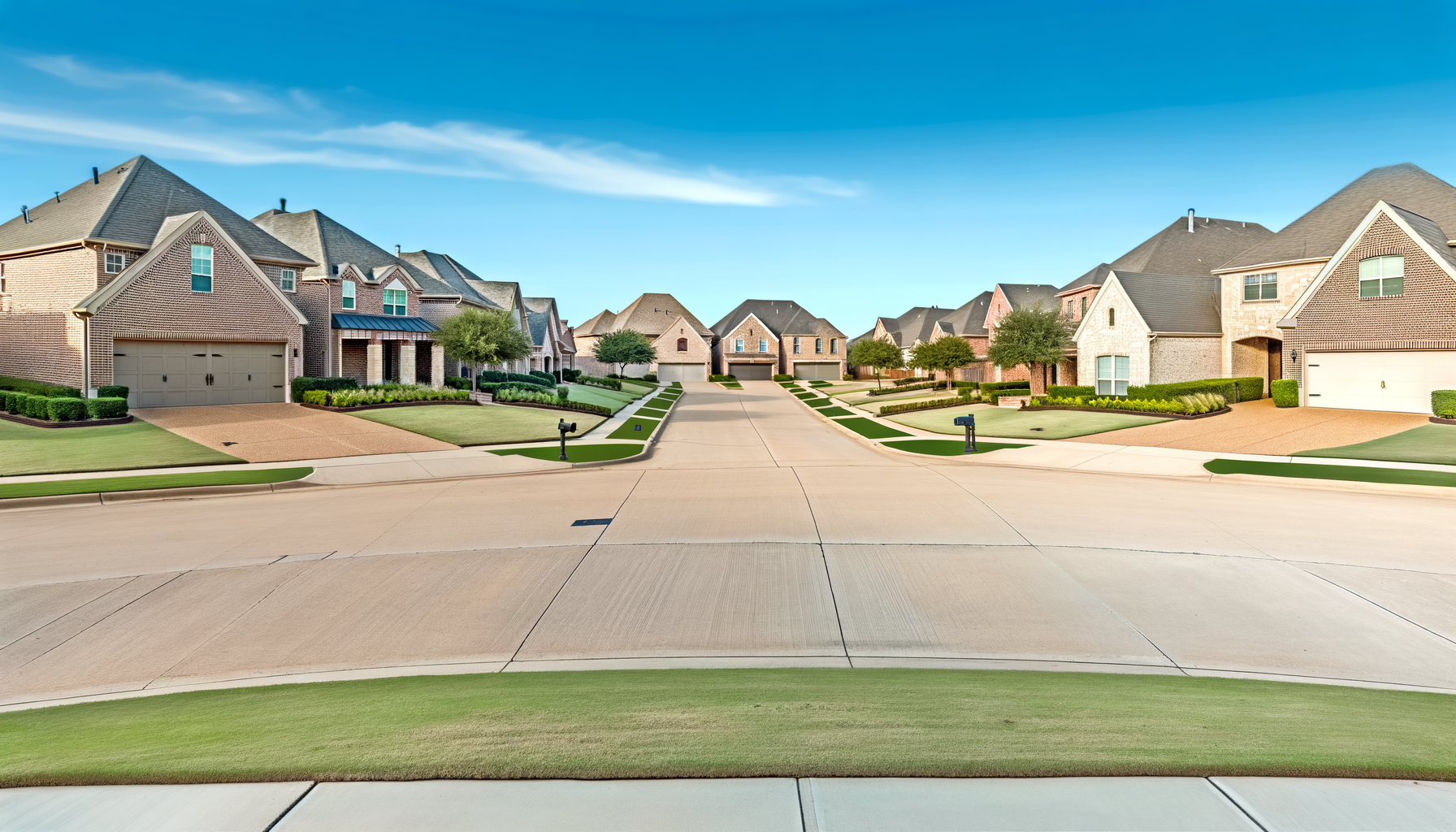
When people consider a move to Texas, Dallas often lands on the shortlist — and with good reason. The city’s size, economy, and access to culture make it one of the state’s most dynamic markets. But whether Dallas is a good place to live depends heavily on your lifestyle, expectations, and budget. It’s a city that can feel completely different depending on which neighborhood you call home and how you spend your days.

Dallas is a major economic hub that attracts business professionals, entrepreneurs, and remote workers. The city’s steady job market, modern housing, and regional access make relocation decisions practical for many. Still, the pace, layout, and cost differences across its neighborhoods can influence whether Dallas truly fits your priorities.
This guide breaks down what makes Dallas appealing, where the tradeoffs exist, and how housing choices shape the overall experience of living here.
What Makes Dallas Appealing?
Dallas has a reputation for balancing business opportunity with city convenience. Its central location within the Metroplex means easy access to both urban amenities and suburban breathing room. Major corporate headquarters, regional offices, and startups are spread across the city, creating a strong foundation for career growth without requiring relocation to another region.
Beyond the job market, residents appreciate Dallas for its layout and infrastructure. Many areas were designed with wide streets, accessible highways, and relatively predictable traffic patterns, making daily errands less stressful than in older urban cores. The city also maintains a steady flow of new retail and dining developments, often repurposing older spaces into mixed-use areas instead of building outward endlessly.
For those who like being close to events, sports, and urban experiences, Dallas’s central position makes attending major cultural and entertainment events straightforward. Yet, you can still step back from the activity in quieter residential areas only a few miles away.
Potential Drawbacks of Dallas
The size and sprawl that give Dallas variety can also make it feel overwhelming. Newcomers often underestimate commute distances, especially if their home and workplace are in separate parts of the region. While Dallas has public transit coverage, many residents rely almost exclusively on personal vehicles, and parking can be inconsistent in older districts.
Weather is another consideration. Dallas experiences intense summers with prolonged stretches of heat. That can limit outdoor activity for several months and influence homebuyers to prioritize properties with updated HVAC systems and shaded outdoor space. Storms and sporadic cold snaps in winter can also impact property maintenance and insurance considerations.
Property taxes in Texas, including Dallas County, tend to be higher than in other states. While local tax revenue contributes to city services, buyers shouldn’t overlook how these costs affect monthly ownership expenses over time. For those transitioning from other states, this is one of the first financial adjustments to understand.
Housing and Neighborhood Choices in Dallas
Dallas housing varies block by block. Buyers focused on proximity to central business areas often look at established neighborhoods that balance residential privacy with quick access to major thoroughfares. Preston Hollow Village appeals to those who want newer construction surrounded by mature streets and established homes. It’s convenient for professionals who need proximity to North Dallas and Uptown work centers but prefer a quieter residential setting once the day ends.
Lake Highlands draws buyers who like access to neighborhood parks and a variety of architectural styles, including mid-century properties and recent remodels. Its mix of new builds and original homes gives buyers flexibility when deciding between a move-in-ready property or a renovation project. The heavy canopy of trees in many parts of Lake Highlands is a distinct contrast to newer developments further north.
Closer to the heart of East Dallas, Lakewood Heights attracts residents who want older character homes within minutes of local shops and recreation areas. Bungalows, cottages, and updated classics define its housing stock, appealing to those who prioritize character over brand-new builds. This area gives easy access to cultural and dining pockets that shape Dallas’s urban identity.
For buyers exploring relocation, mapping these neighborhoods against daily habits and commute routes often clarifies which areas truly fit. The difference between North Dallas, East Dallas, and the central corridor can significantly affect lifestyle and resale potential.
Cost, Lifestyle, and Daily Practicality
Living in Dallas comes with tradeoffs in affordability and convenience. While general housing costs can feel more accessible than in coastal metros, the city’s steady population growth continues to support steady home demand. Budget-conscious buyers often explore older homes in established neighborhoods or consider slightly outlying communities for newer builds at similar costs.
Dallas’s utilities, property taxes, and homeowner association fees vary widely across neighborhoods. Buyers often underestimate recurring expenses tied to lawn maintenance, irrigation, and high-energy summers. Understanding these operational details early on avoids surprises after moving in.
Daily practicality is one of Dallas’s underrated advantages. Grocery stores, local services, and specialty shops are dispersed across most major districts, making errands manageable. Parking is generally accessible, even near entertainment or dining centers, though older urban pockets can be tighter. For many, these conveniences offset the region’s driving culture and spread-out design.
Who Dallas Is a Good Fit For
Dallas suits residents who value professional access, space, and housing variety more than being in a traditional walkable core. Buyers who travel often for work appreciate its logistical advantages — proximity to regional hubs and reliable highway access. Those who view their home as both living and working space often benefit from larger floor plans and home office setups that Dallas housing commonly offers.
People relocating from denser cities may need time to adjust to the city structure, but they often appreciate the predictability and calm of residential areas after experiencing the daily rhythm here. Downsizers or long-term investors may also find Dallas appealing for its steady property demand and ongoing development patterns.
However, those seeking extensive public transport options or a compact urban feel might not see Dallas as a direct fit. Understanding your preferences around driving, outdoor time, and neighborhood layout is key before committing to a move.
Final Verdict on Dallas
So, is Dallas a good place to live? The answer depends on how you define convenience, comfort, and opportunity. The city rewards residents who plan around its structure — knowing which neighborhoods align with their schedules, budgets, and lifestyle needs. For many, that balance of options makes Dallas a place worth calling home.
If you’re evaluating whether to move or stay and want deeper insight into how its neighborhoods differ, explore the Dallas neighborhood guide for firsthand details and local updates.
About Dustin Pitts | Dallas Real Estate Agent
As a local Realtor, I help clients with buying or selling in Dallas by focusing on the details that matter most — street-specific value trends, property condition differences, and timing the market with confidence. Years of firsthand experience across North Dallas, East Dallas, and surrounding suburbs provide the data and context clients need to make smart decisions.
Whether you’re evaluating relocation, upgrading within the city, or selling after years of ownership, my goal is to help you navigate the nuances of the Dallas market with clarity and precision.
Thinking about your next move? Get expert guidance from a proven professional who understands property selection, pricing, and negotiation across this region — start with trusted real estate help in Dallas today.


