For many North Texas buyers, the decision often comes down to whether to live inside Dallas itself or head north to Plano. Both cities are major job hubs, both have strong housing markets, and both offer distinct advantages depending on your lifestyle and priorities. The differences between them become clearer once you look at how each city functions day to day — from housing inventory to commute patterns to neighborhood feel.

Whether you’re comparing urban living near downtown Dallas or seeking something with more space like you’ll typically find in Plano, this comparison is designed to help you think through the tradeoffs before you make a move. Each has its pluses, and the better fit depends on what kind of daily life you want — not just what’s available on a property search map.
Overview of Each City
Dallas covers a large footprint with a mix of high-rise districts, mature neighborhoods, and established suburbs within city limits. It’s home to professional sports venues, major employment centers, and a dynamic dining and entertainment scene. Buyers drawn to Dallas often prioritize proximity — to work, nightlife, airports, or the established business corridors along Stemmons and North Central Expressway.
Plano developed differently. It began as a true suburb but has grown into a city with its own major employers and mixed-use developments. Corporate campuses in places like Legacy have brought extensive commercial investment, and the residential planning that followed has emphasized newer communities, structured layouts, and plentiful retail access. While Plano feels more suburban, its organizational design appeals to people who want predictability and convenience in their surroundings.
The main difference is texture — Dallas is broader, more varied in age and density. Plano is newer, more consistent in its development pattern. That influences everything from home maintenance needs to how you experience traffic and services.
Housing Differences
Housing in Dallas ranges widely, from pre-war Craftsman homes in near-downtown areas to mid-century ranches in neighborhoods like Lakewood and Preston Hollow to new construction in infill pockets. The variety means there’s more opportunity for renovation or custom work if you want a property with character. Many neighborhoods inside the city limits show mixed architectural styles on the same block, and lot sizes can differ significantly from one street to the next.
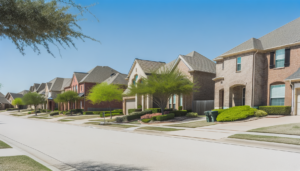
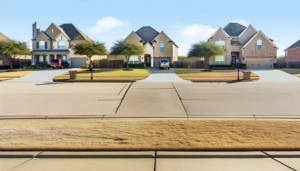
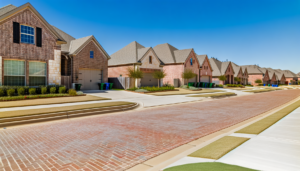
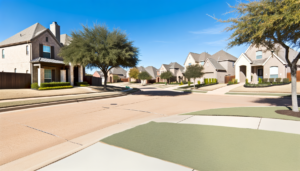
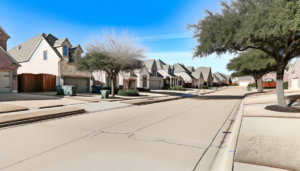
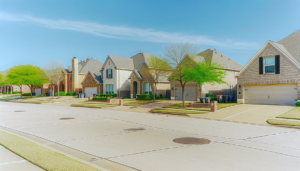
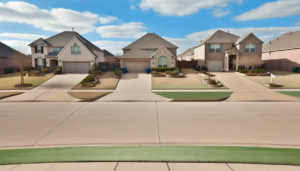
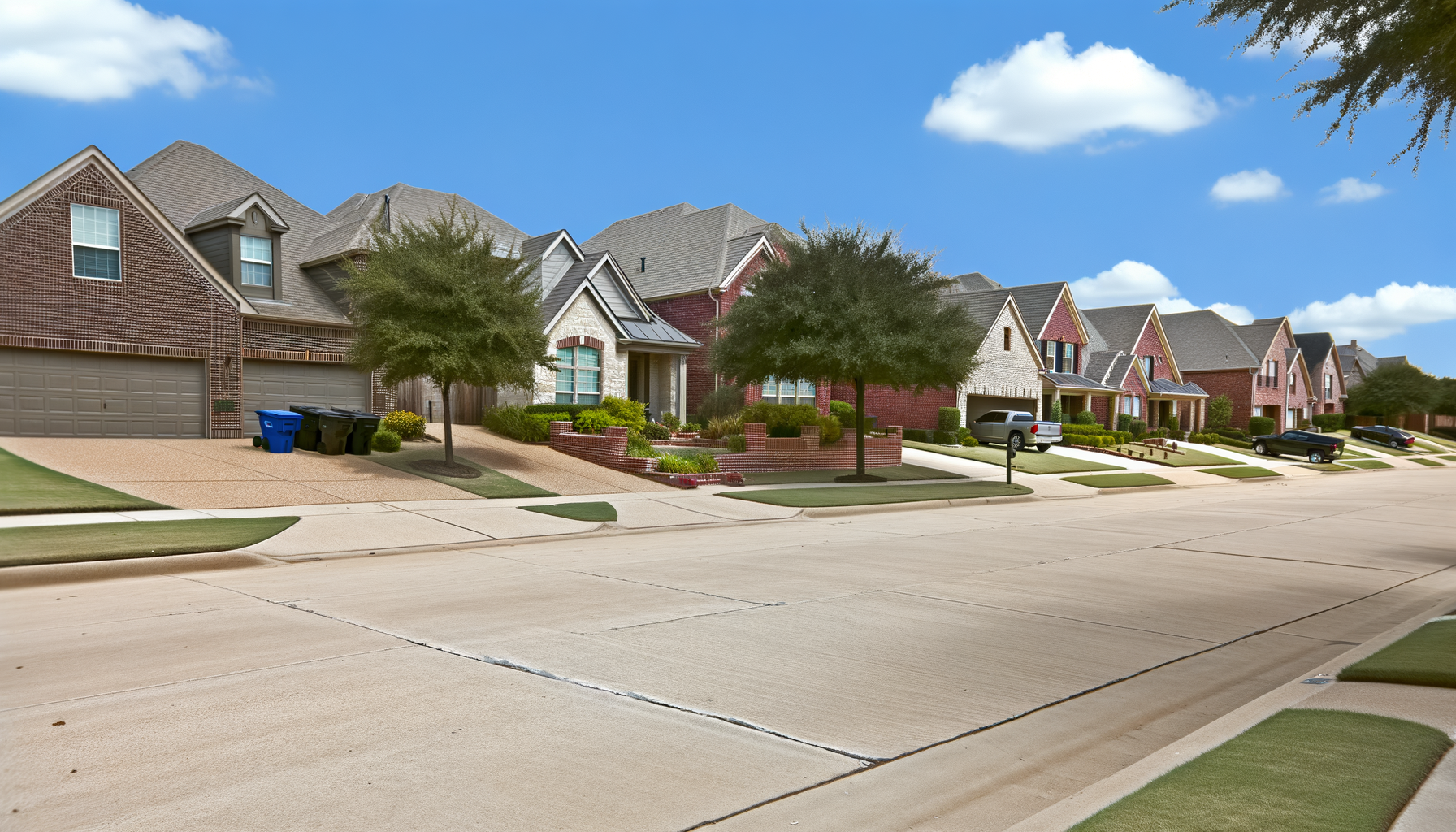
Plano’s neighborhoods tend to share more consistent design eras. The majority of homes were built post-1980, so they often feature open floor plans, attached garages, and HOA-governed community layouts. Yard sizes can be modest, but the homes typically require less structural updating compared to older Dallas properties. Newer construction is still occurring on the western edge of the city, where planned communities with modern layouts continue to expand.
For buyers deciding between the two, Dallas provides more diversity and location choice, while Plano offers predictability and lower upkeep. In practice, that means Dallas buyers should be comfortable evaluating older systems and renovation projects; Plano buyers should be ready to accept fewer architectural surprises but a more streamlined ownership experience.
Cost of Living and Ownership Considerations
Property taxes across both cities are substantial, but Plano’s slightly smaller municipal boundaries and newer infrastructure can sometimes translate into modestly lower operating costs. The main cost factor isn’t just the tax rate, though — it’s the age and size of the home. Older Dallas homes may have higher insurance or repair expenses, while Plano homes might carry HOA dues that add to monthly costs.
Utility costs also differ. Dallas homes with older insulation or plumbing can require more maintenance. In Plano, newer construction standards help with efficiency, but you may find association rules limiting certain energy-saving modifications. For buyers conscious about overall ownership cost, Plano tends to deliver more predictable expenses, but Dallas sometimes brings higher resale potential when the market appreciates in established neighborhoods.
If you plan to live in your home long-term, look at maintenance history and utility averages rather than just the purchase price. A well-updated 1950s Dallas home can be a better cost performer than a mid-2000s Plano house if the prior owner invested in structural improvements.
Lifestyle, Convenience, and Daily Experience
Living in Dallas usually means shorter drives to entertainment, major medical facilities, and airports. However, internal commutes can be unpredictable depending on where you live versus where you work. Many professionals who want urban access spend extra time navigating daily traffic but benefit from being near downtown offices and service providers. Weekend activities often revolve around local dining corridors and cultural venues scattered throughout the city’s core and northern districts.
Plano’s convenience comes from its planning — master developments like Legacy West were designed to minimize travel time between workplaces, retail centers, and housing. The city’s roadways handle suburb-to-suburb traffic better than inner Dallas routes, and there’s a widespread presence of community parks and pathways connecting neighborhoods. While it’s farther from downtown Dallas entertainment, Plano residents gain time back in predictability and access to cleaner, wider infrastructure.
Think of it in terms of rhythm: Dallas moves faster and varies block by block; Plano runs more orderly. Some buyers thrive in the energy and flexibility of Dallas, while others value the quieter, organized pace of Plano life.
Which One Is Better for Different Buyers?
The “better” choice depends on priorities. Buyers focused on investment and long-term appreciation often lean toward Dallas, especially in well-located central neighborhoods with steady buyer demand. These areas can outpace the broader market during strong cycles, though they also require careful property selection and sometimes more hands-on upkeep.
Buyers who want immediate functionality and less renovation work often select Plano. The homes are newer, the infrastructure is consistent, and the municipal management of services like utilities and waste is straightforward. If you plan to relocate within a few years, Plano can be easier to resell quickly because buyers know what to expect from the housing product.
Ultimately, the decision is about lifestyle commitment. If proximity to the core and variety of architecture matter, Dallas has the edge. If predictable living and simpler maintenance are key, Plano takes the lead.
Final Thoughts
Dallas and Plano serve different buyer profiles even though they share the same regional economy. One city thrives on diversity of housing and culture, while the other prioritizes structured comfort and consistency. The smarter move isn’t about choosing the “better” city in general — it’s about matching the city’s rhythm with your day-to-day needs and tolerance for maintenance, commute, and environment.
Before you decide, it’s worth seeing properties in both areas back-to-back. Experiencing the drive between potential locations can often clarify which daily routine feels right for you.
About Dustin Pitts | Dallas and Plano Real Estate Guidance
As a local agent who regularly helps clients weighing the decision between Dallas and Plano, I provide guidance for buyers comparing Dallas and Plano based on firsthand market knowledge, not just listings. My approach centers on understanding your goals, then identifying how each city aligns with your expectations for commute, maintenance, and long-term value.
Whether you’re exploring established Dallas neighborhoods or assessing newer Plano developments, I focus on practical tradeoffs and data-backed assessments. That means no generic advice — just clear insight into how each area performs when you’re buying, selling, or investing for the next chapter.
If you’re deciding between living in either city and want a detailed walk-through of current opportunities, reach out for guidance specific to Dallas and Plano and start comparing neighborhoods with clarity and confidence.